





Train Journeys: Why Trains Change The Way We Arrive

View Gallery
4 Photos

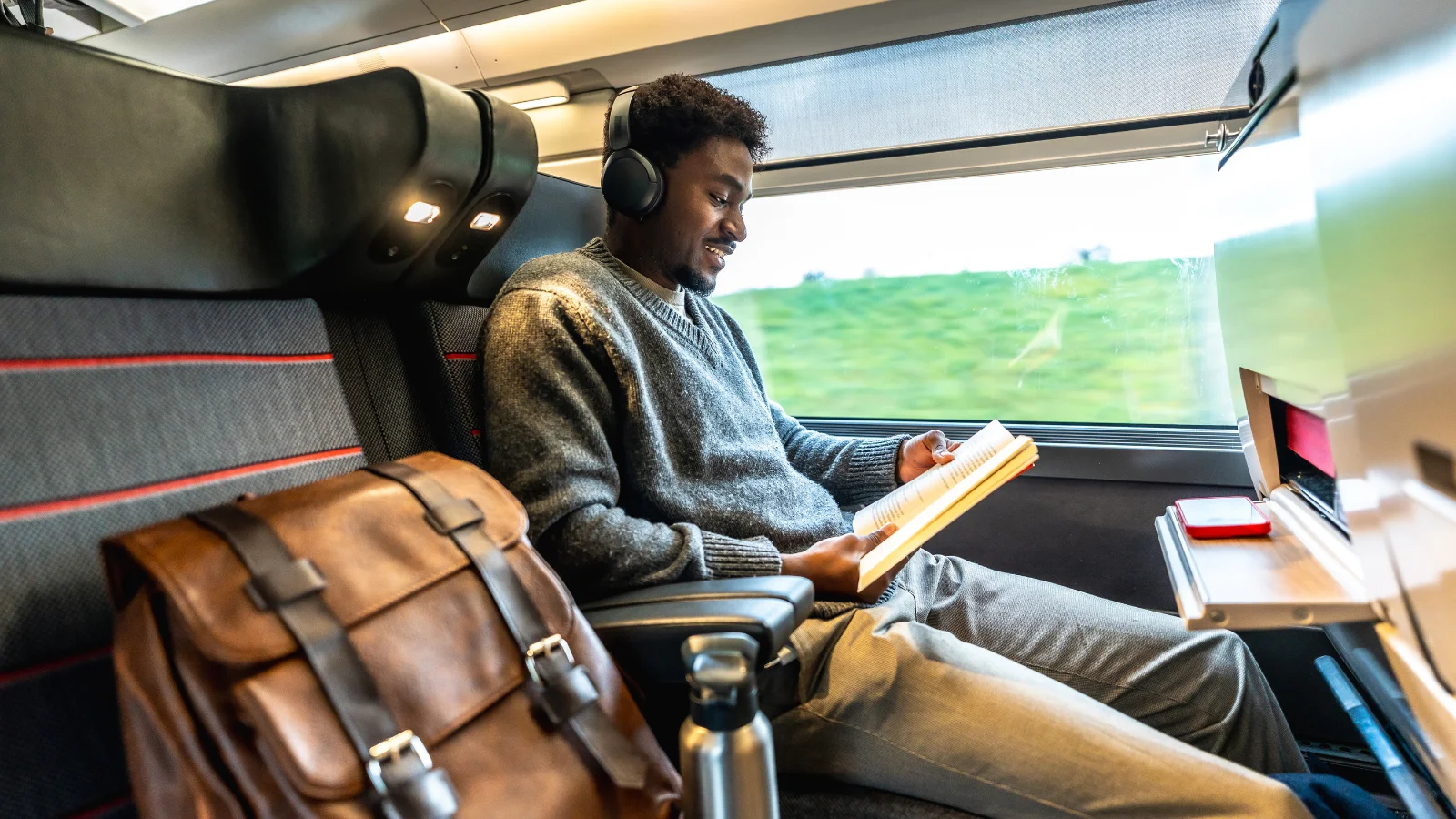
There is a quiet but profound difference between arriving somewhere by train and arriving by almost any other means of transportation. It is not only a difference in speed or convenience, but a difference in perception — in how we understand distance, landscape, and ultimately the destination itself.
Air travel is designed to remove distance. You enter a sealed environment, you detach from the ground, and a few hours later you appear somewhere else entirely. The journey becomes abstract; geography disappears beneath clouds, and the relationship between places is erased. You do not experience the land between where you were and where you are going. You simply leave one place and arrive in another.
Train travel does the opposite. It restores distance, and in doing so, it restores meaning to movement. When you travel by train, you witness the gradual transformation of the landscape: cities dissolve into suburbs, suburbs into farmland, farmland into forests, and forests into mountains or coastlines. Architecture changes, colors shift, light becomes different, and slowly you begin to understand that you are entering a new region, not simply landing in a new location.
This gradual transition changes the psychology of arrival. By the time the train reaches its destination, you already feel that you have entered the place. You have seen its countryside, its small towns, its industrial edges, its rivers and roads. You do not feel dropped into a destination; you feel that you have approached it, understood it, and arrived through it.
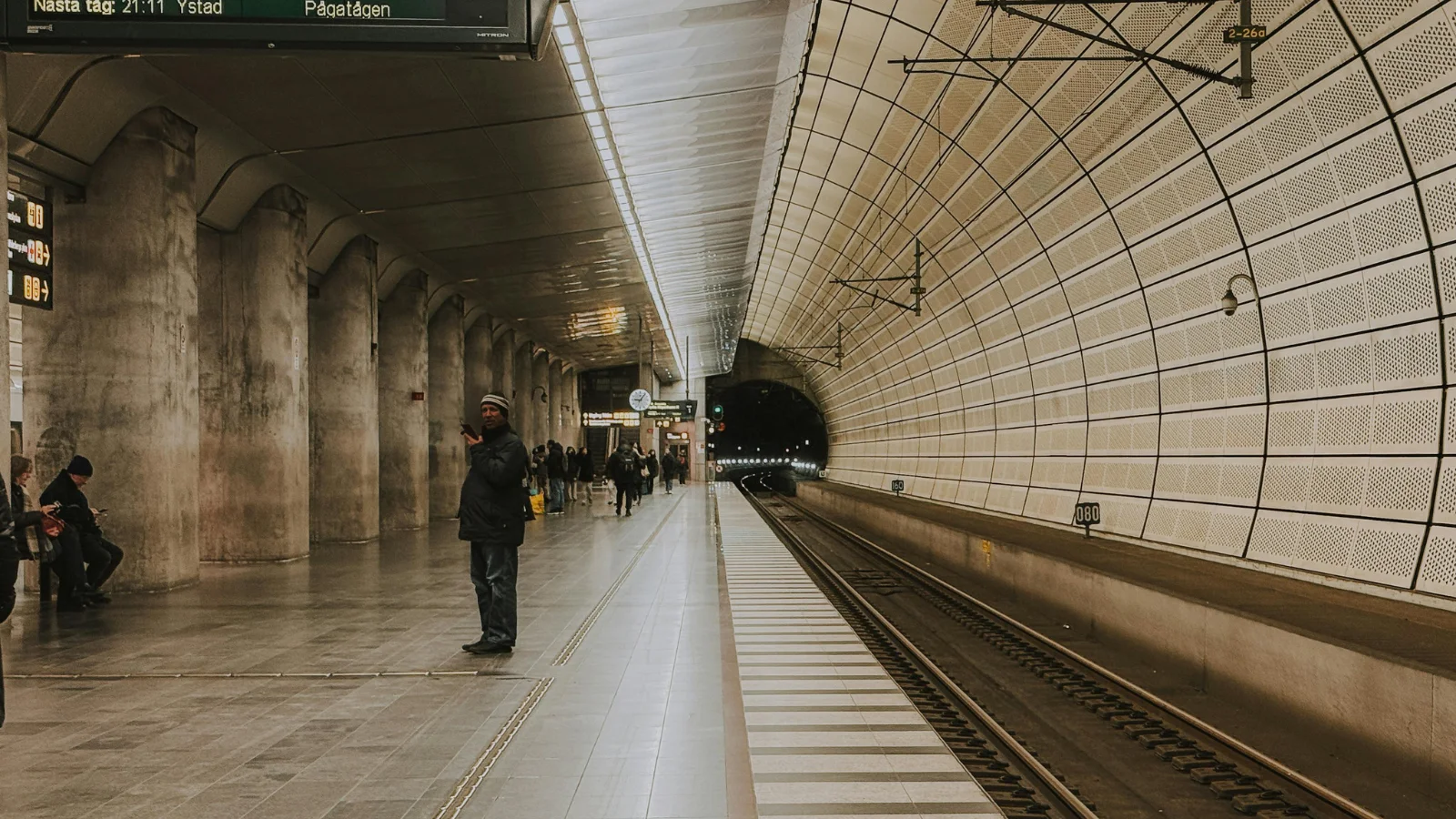
There is also something fundamentally different about where trains take you. Airports are often located far from cities, surrounded by highways, logistics zones, and anonymous infrastructure. The journey from airport to city is usually a transition from a non-place into a place. Train stations, on the other hand, are often embedded within the city itself. You arrive in the center, within walking distance of streets, cafés, hotels, and public squares. The city does not begin after a taxi ride; it begins the moment you step off the platform.
Because of this, train travel changes not only how we move, but how we experience the beginning of a place. Arriving by train feels less like entering as a visitor and more like entering as a temporary resident. You arrive at street level, among people who are commuting, meeting, leaving, and returning. The city feels lived in from the first moment.
Trains also restore something that modern travel has gradually lost: the journey as a meaningful part of the experience. On a train, time behaves differently. You read, write, look outside, drink coffee, think, or simply watch the landscape pass without feeling that time is wasted. The journey becomes a quiet space between two places, a space where travel actually feels like travel, not just transportation.
Perhaps this is why many of the most memorable arrivals in the world happen by train: entering Florence as the Tuscan hills fade into the edges of the city, arriving in Kyoto as the urban grid slowly replaces the countryside, watching the Swiss lakes appear suddenly between mountains, or seeing the Atlantic light change as you approach Lisbon by rail. These arrivals are not abrupt; they are gradual and cinematic, almost like watching a place introduce itself before you meet it.
In slow travel, how we arrive is not a minor detail. It shapes our first impression, our pace, and our relationship with the place we are about to experience. When we arrive too quickly, we often need time to adjust. When we arrive gradually, the adjustment has already happened during the journey.
Trains, more than any other form of transportation, allow travel to feel continuous rather than fragmented. You do not jump from one point to another; you move through space, through landscapes, and through transitions. By the time you arrive, you feel that the journey and the destination belong to the same story.
And perhaps that is why arriving by train often feels quieter, calmer, and more complete. Not because trains are nostalgic or romantic, but because they allow us to experience travel as a process rather than a shortcut — and in doing so, they change not only how we travel, but how we arrive.