


Some destinations are remembered through activity. Others are remembered through atmosphere. San Pedro de Atacama belongs to a rarer category — places that quietly alter the way attention works.
Most travelers arrive expecting landscapes. Salt flats, volcanoes, desert roads, star-filled skies and Atacama offers all of that. But what many remember afterward is something less visible: the strange calm that begins to settle once the usual noise of movement disappears.
The shift often begins slowly.
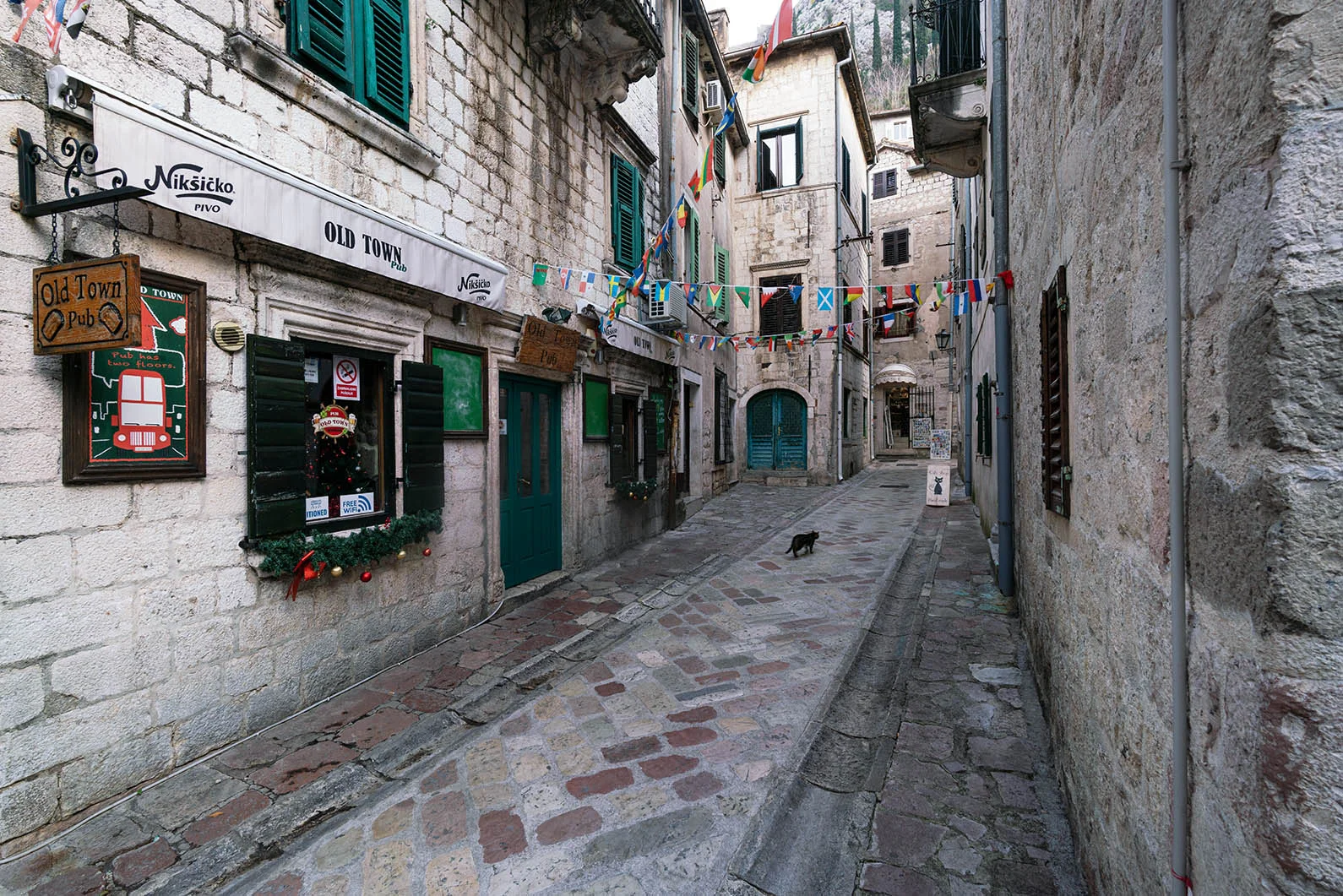
In San Pedro itself, mornings unfold without urgency. Dust moves lightly through narrow streets. Small cafés open early for travelers heading toward the altiplano, while others sit outside bakeries drinking coffee before the heat rises. There is movement, but very little acceleration. Even the town’s rhythm feels deliberately reduced.
And that reduction matters.
Because Atacama is not a destination that rewards constant activity. It is one of the few places where travelers begin to realize how much modern travel is built around stimulation — schedules, highlights, movement, decisions, interpretation. In Atacama, many of those layers fall away.
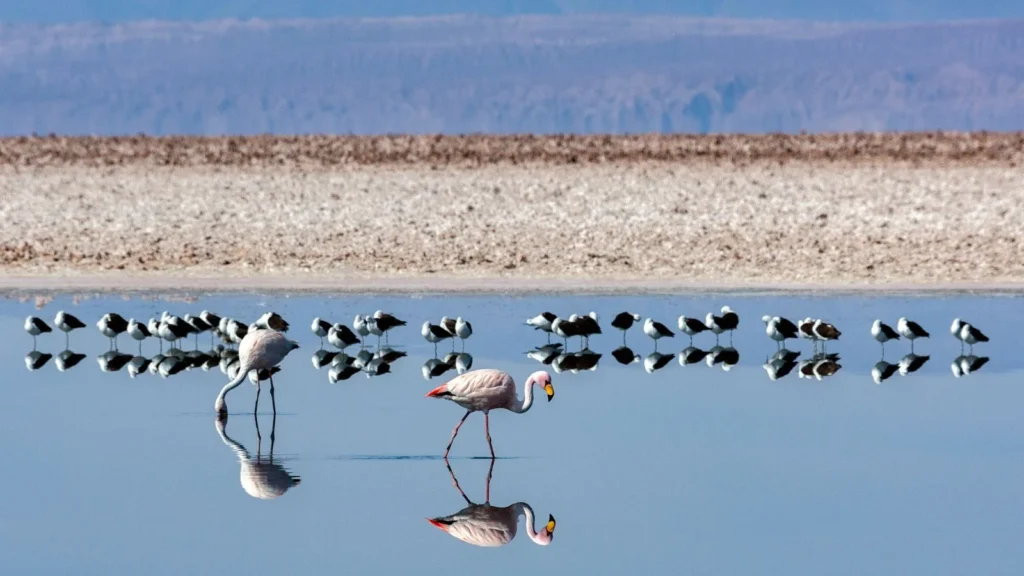
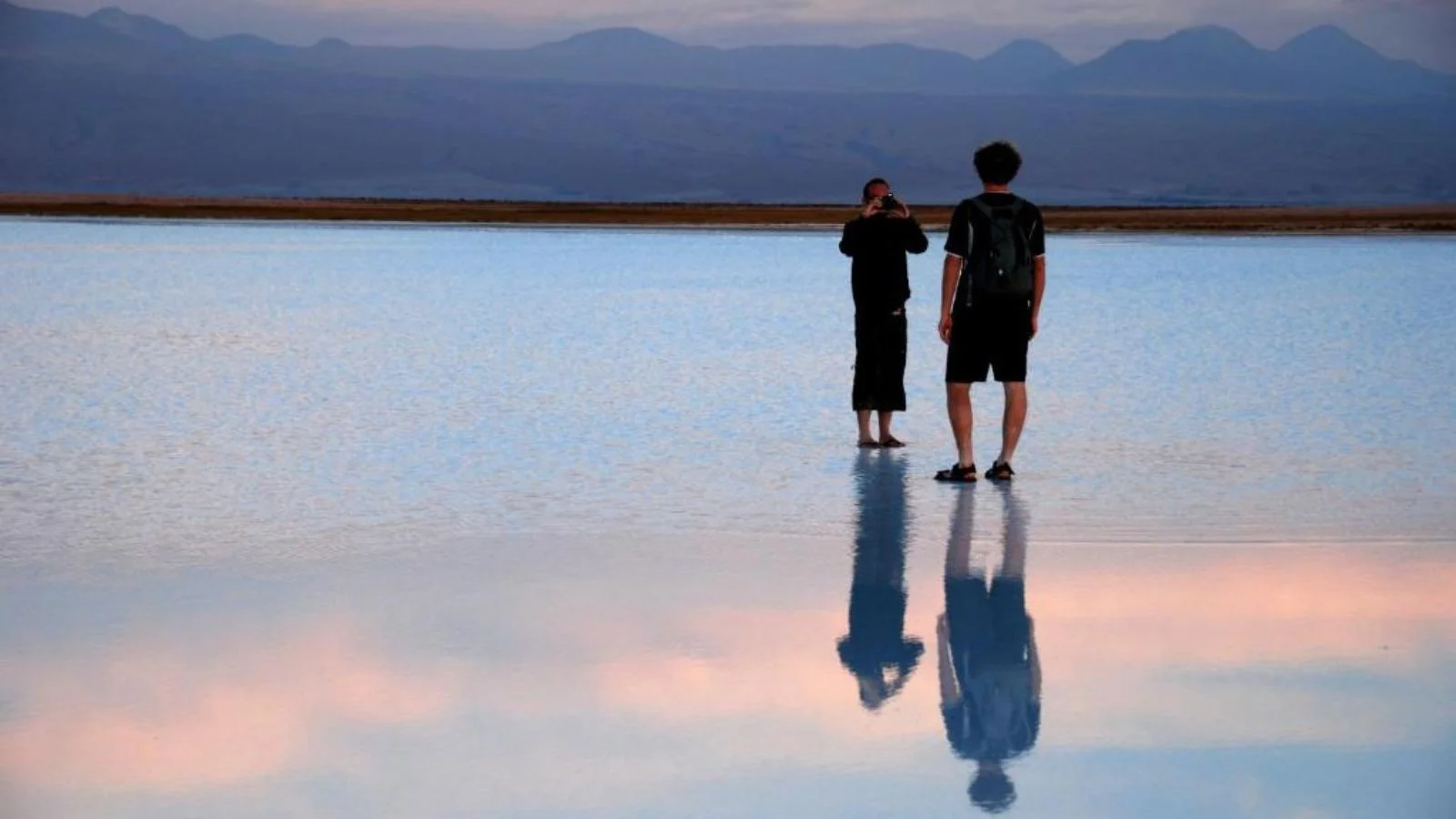
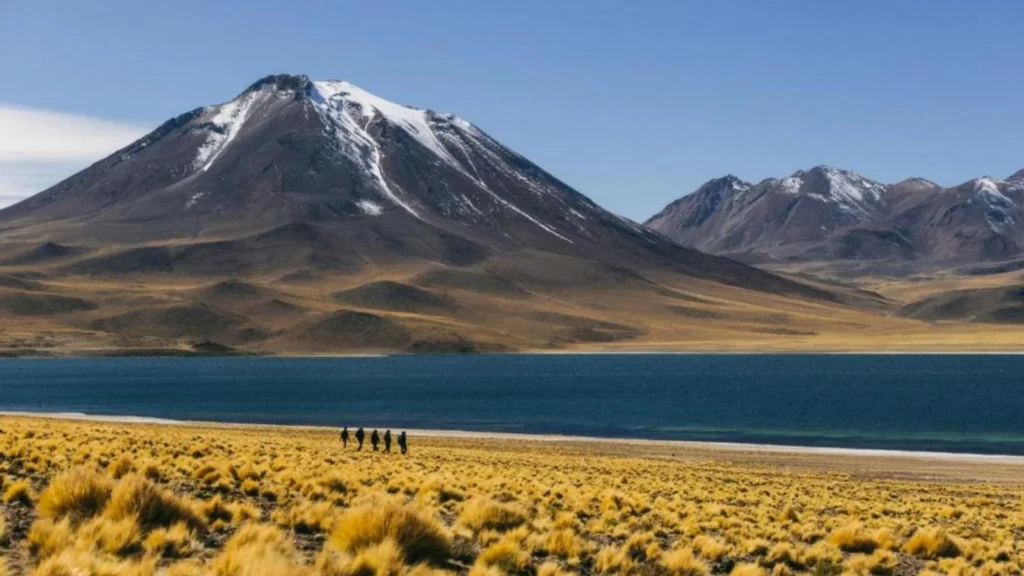
You notice it while driving across the desert toward Laguna Cejar or the high-altitude lagoons near Miscanti and Miñiques. The landscape remains vast and open for long stretches without interruption. There are no dense urban transitions, no constant visual information competing for attention. Eventually, the mind stops searching for the next thing to process.

And in that silence, people begin noticing smaller things again. The sound of wind moving across dry ground. The texture of mineral-rich water. The feeling of altitude changing the body’s rhythm. The way conversations become quieter after sunset.
Many slow travelers describe this kind of experience similarly: not exciting in the traditional sense, but deeply absorbing. A place where hours stop feeling fragmented. Where sitting still no longer feels unproductive.
That emotional shift becomes even stronger at night.
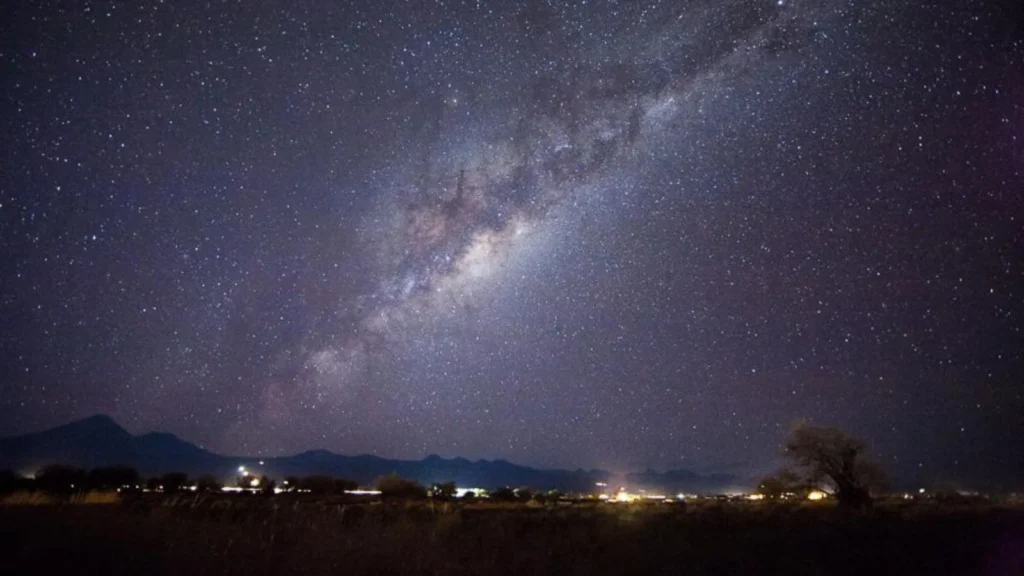
Atacama’s dark skies are famous, but what stays with many visitors is not only the astronomy itself. It is the experience surrounding it — standing in near-total silence before the stars appear fully overhead, wrapped in cold desert air, with almost no artificial sound around you. The scale of the landscape changes your sense of proportion. Problems that felt loud elsewhere begin to feel strangely distant.
And unlike destinations built around spectacle, Atacama rarely pressures visitors to consume the experience quickly.
Some travelers spend afternoons doing very little at all: reading in shaded courtyards, returning to the same café repeatedly, soaking quietly in desert hot springs, or watching light move slowly across the mountains near Valle de la Luna before sunset. The repetition does not reduce the experience. It deepens it.
This is why Atacama works especially well for slow travel.
Not because there is nothing to do, but because the environment allows people to inhabit their time differently. The destination supports lingering. It supports noticing. It supports staying present long enough for the landscape to stop feeling like scenery and begin feeling inhabitable.

That distinction shapes even the hospitality experience.
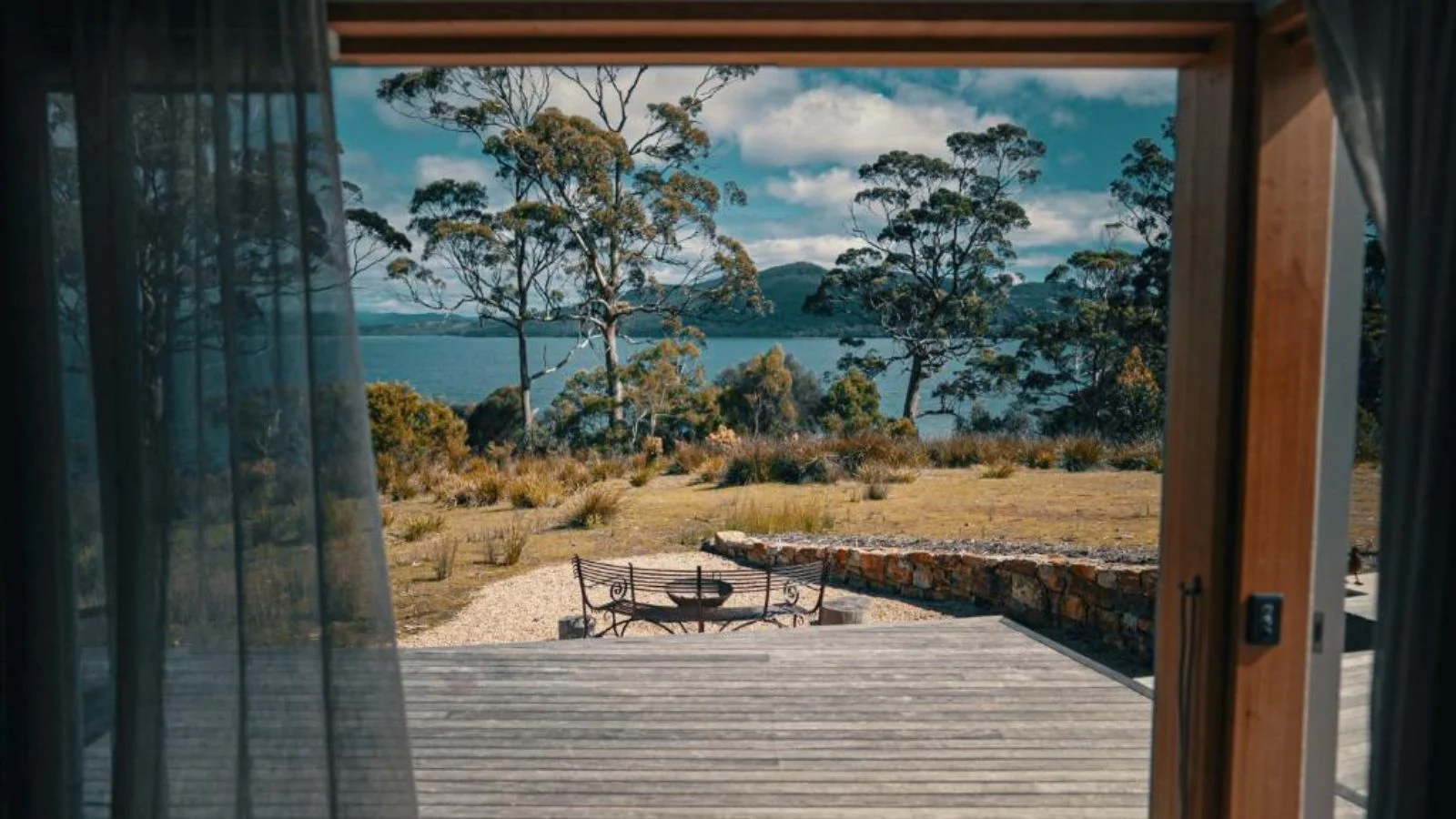
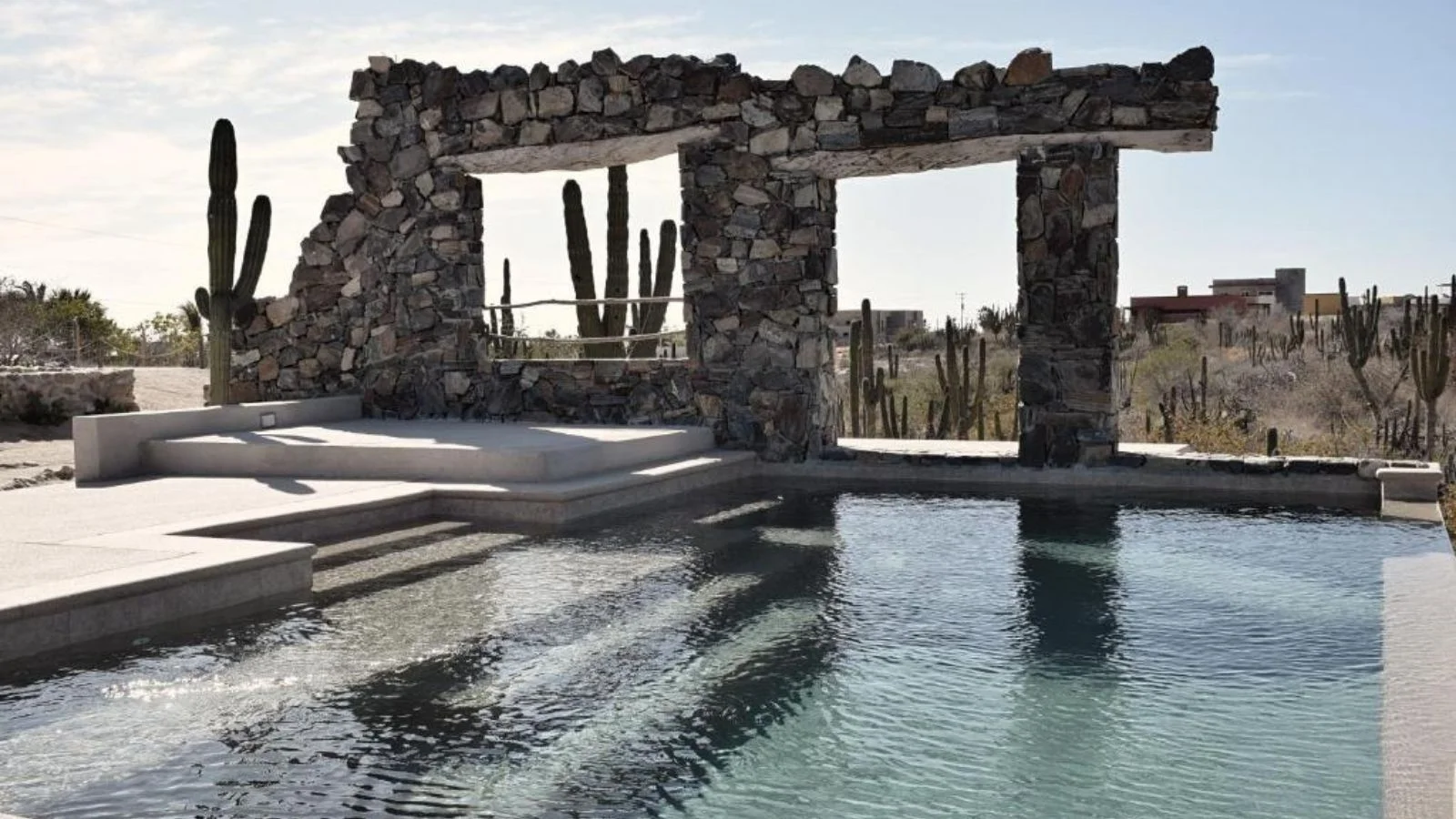
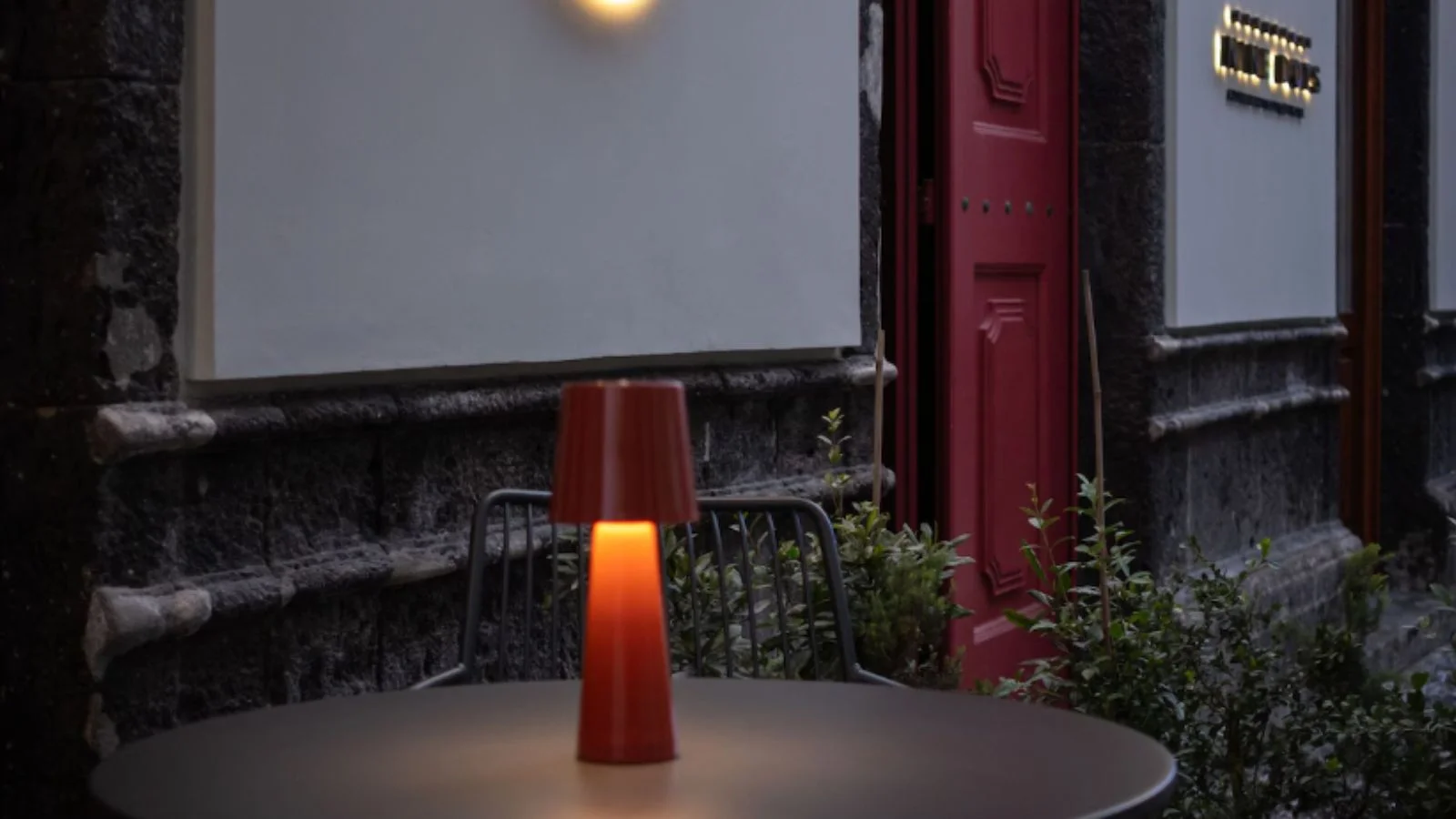
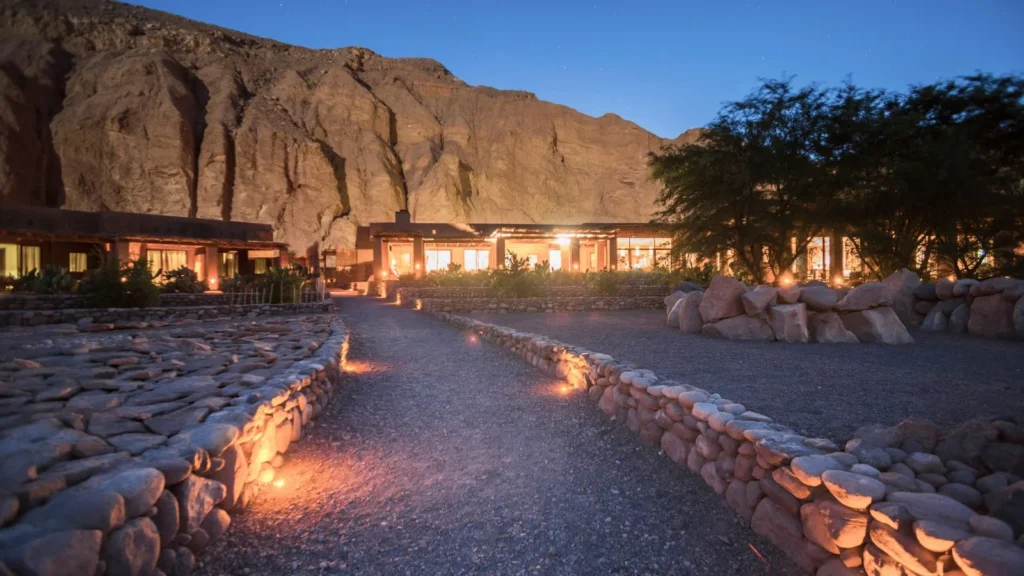
The stays that feel most aligned with Atacama are rarely the loudest or most extravagant. Instead, they tend to emphasize restraint: natural materials, quiet architecture, outdoor spaces designed around the sky, low lighting, and a closer relationship with the desert itself. Luxury here is less about abundance and more about emotional spaciousness.
Atacama will not suit every traveler. Those looking for dense urban energy, shopping, nightlife, or heavily programmed itineraries may find the stillness difficult after several days. The altitude can also affect energy levels, and the desert climate demands slower pacing than many visitors initially expect.
People come to Atacama expecting landscapes. What many remember most clearly is how different they felt while moving through them.
But for travelers searching for clarity, spaciousness, and a more grounded relationship with movement, few places feel as structurally calming as this part of northern Chile.
The final realization often arrives unexpectedly. People come to Atacama expecting to see extraordinary landscapes but what many leave remembering most clearly is how different they felt while moving through them.