

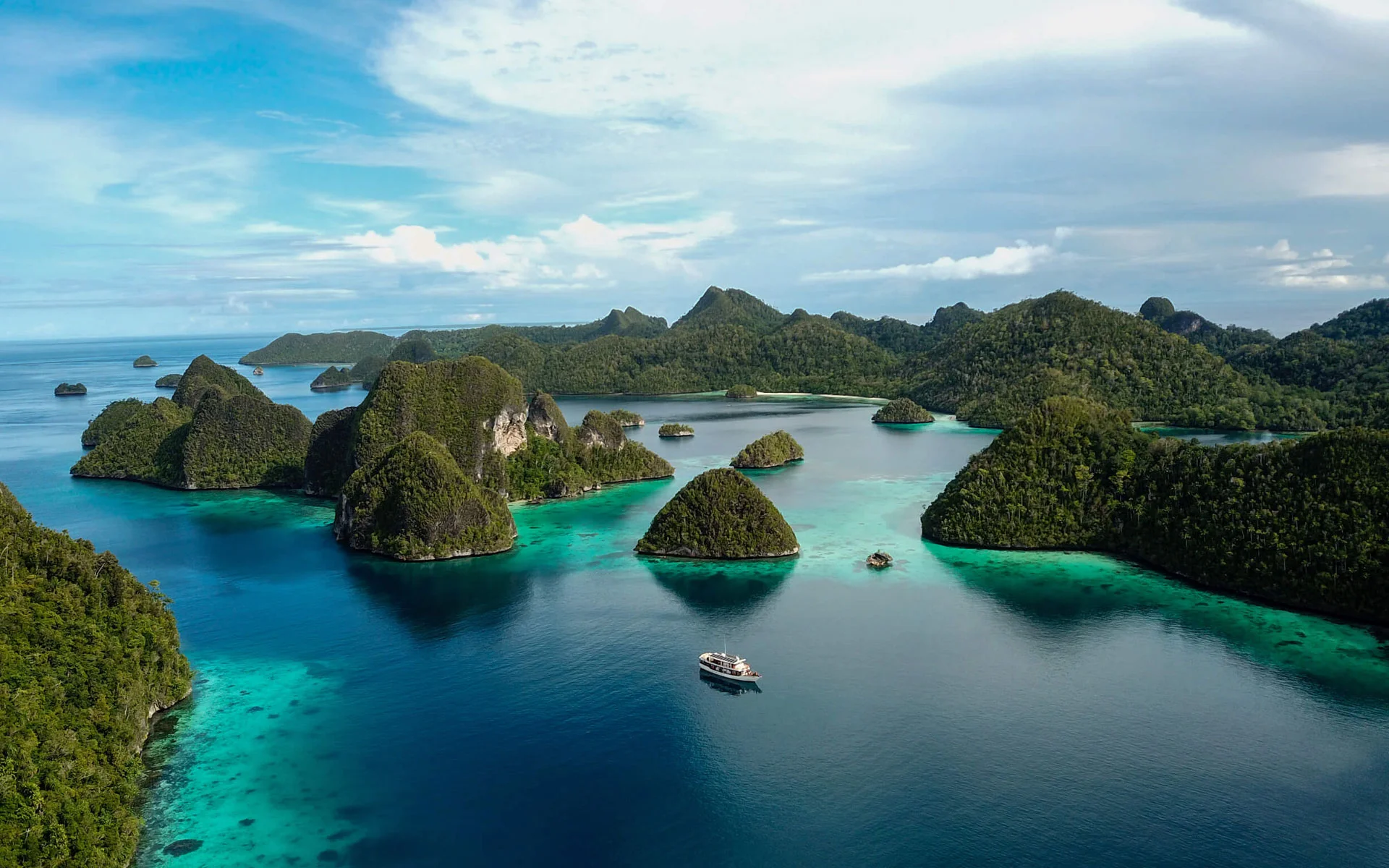
Across Indonesia, movement between islands is often reduced to transfers—flights, ferries, and brief stops that compress distance into logistics. The Nomad Archipelago offers a different reading of that geography. Here, the journey unfolds across lesser-visited waters, where islands are not simply destinations, but part of a continuous landscape shaped by sea, reef, and small coastal communities.
This kind of travel matters because Indonesia’s scale is rarely experienced in full. With thousands of islands, much of the country remains outside standard itineraries. Coral Reef Safari operates within that wider geography, moving through parts of the archipelago that are less structured, less frequented, and still closely tied to local rhythms. The experience is not built around a fixed route, but around a direction—one that allows the journey to respond to conditions rather than impose on them.
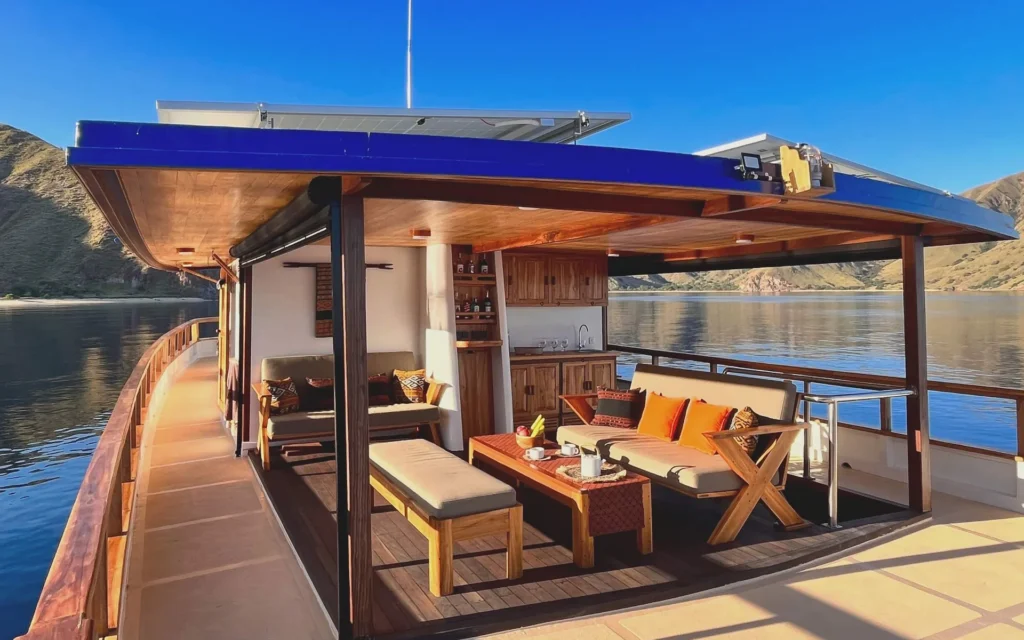
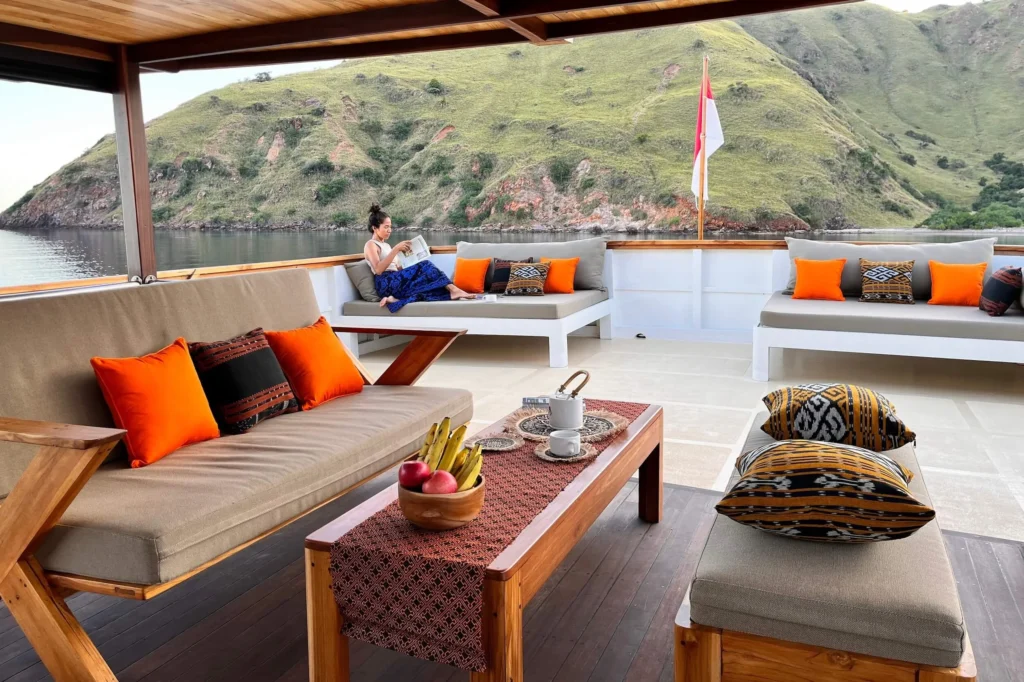
The physical structure of the safari reflects this approach. Travel takes place by boat, moving between remote islands, reef systems, and small villages. Days are not organized around rigid schedules, but around a sequence of encounters: time in the water, landings on quieter shores, and visits to local communities where daily life continues without adjustment for visitors. Coral reefs, clear lagoons, and varied underwater environments form one layer of the experience, while island settlements—often simple, direct, and uncurated—form another.
What distinguishes the journey is not only what is seen, but how it is approached. Movement remains flexible, allowing time to extend where conditions invite it. A reef may hold attention longer than expected. A village visit may shift the pace of the day. The absence of a fixed sequence creates space for a more attentive form of travel, where presence is not interrupted by constant transition.
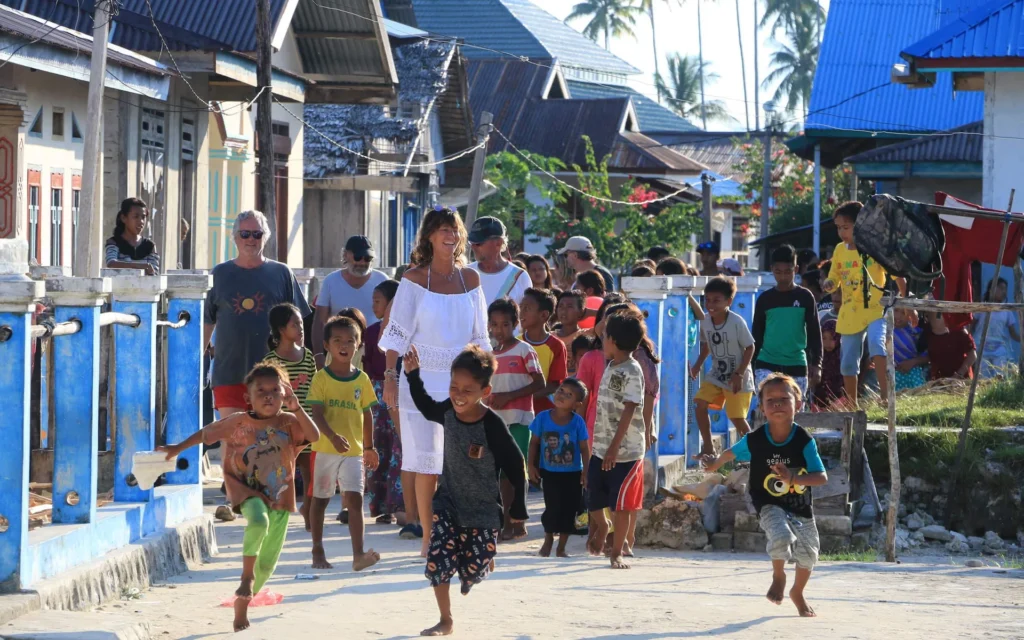
This is where the safari aligns naturally with a slower mode of travel. Instead of moving quickly across multiple points, the journey builds continuity. The boat becomes a temporary base, linking environments that would otherwise remain separate. The traveler engages not only with landscape, but with the intervals between places—time on water, changes in light, and the gradual shift from one island to the next.
There is also a deeper layer to the experience. Remote parts of the Indonesian archipelago retain forms of life that are closely tied to the sea. Fishing practices, small-scale trade, and community structures remain visible in ways that are less accessible in more developed areas. Visits to villages are not presented as performances, but as brief entries into ongoing systems of living.
The journey requires a different set of expectations. Plans adjust. Conditions vary. Comfort exists, but it is defined by setting rather than uniformity. For travelers used to fixed itineraries, this may feel open-ended. For others, it becomes the central value of the experience.
Coral Reef Safari in the Nomad Archipelago suits those who are drawn to remote landscapes, marine environments, and a form of travel that prioritizes connection over coverage. It is less suited to those seeking predictable schedules, standardized experiences, or a rapid overview of multiple locations.
The final judgment is clear: this is not a journey designed to simplify Indonesia. It is one that allows its scale, variation, and quieter edges to remain intact. Its value lies in moving through the archipelago without urgency, and in allowing the distance between islands to become part of the experience itself.