




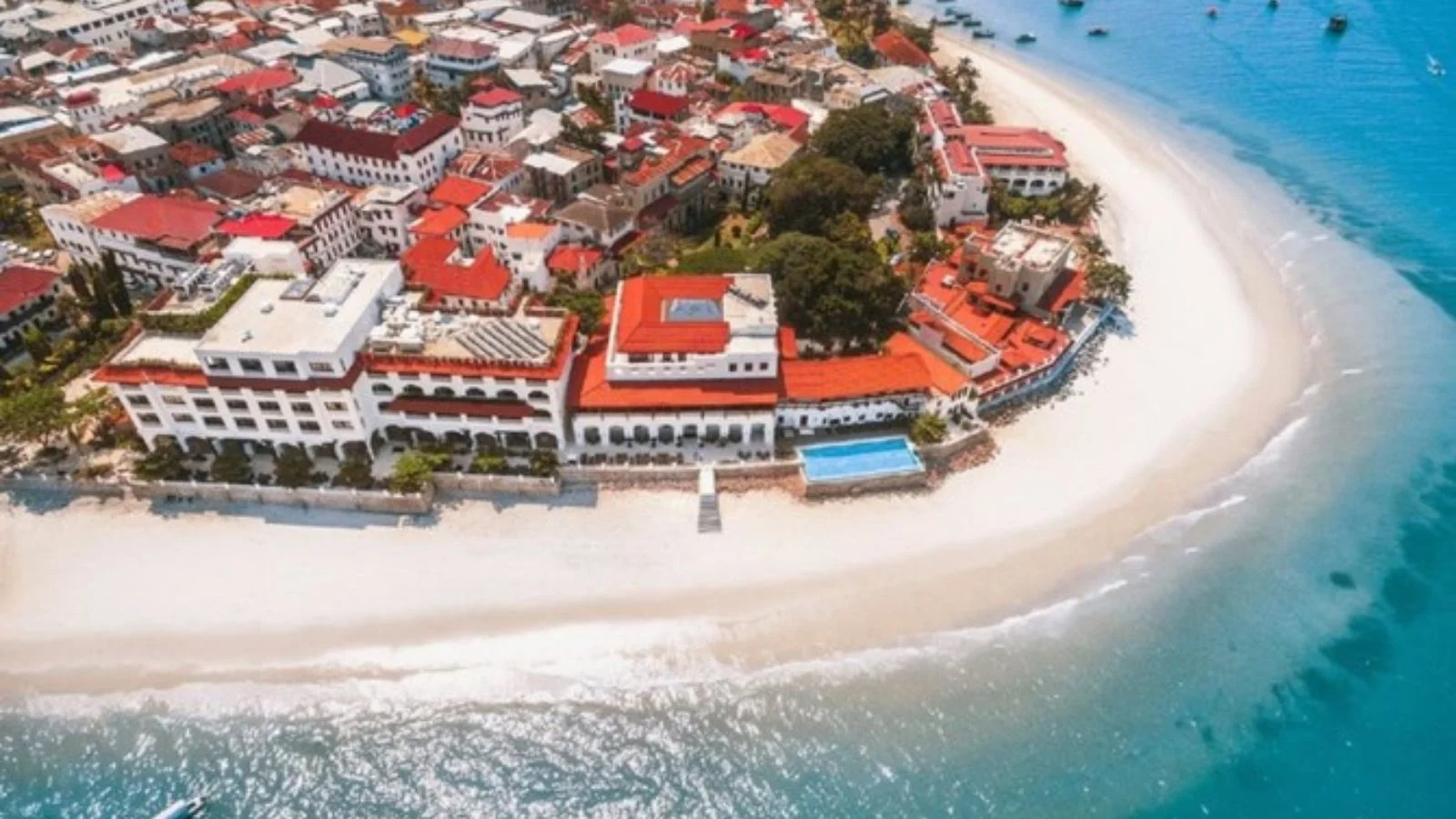
There are cities shaped by conquest, and others shaped by exchange. Stone Town, the historic heart of Zanzibar, belongs to the second kind. Its streets were not built around one empire or one language, but around centuries of movement across the Indian Ocean, where merchants, sailors, craftsmen, and families carried goods, beliefs, stories, and habits between East Africa, Arabia, Persia, and beyond.
What makes Stone Town relevant now is that it offers a corrective to the simplified way history is often told. Many travelers still imagine cultures as sealed identities and coastlines as borders. Stone Town shows the opposite. It is evidence that the sea has long connected worlds that modern maps tend to separate.
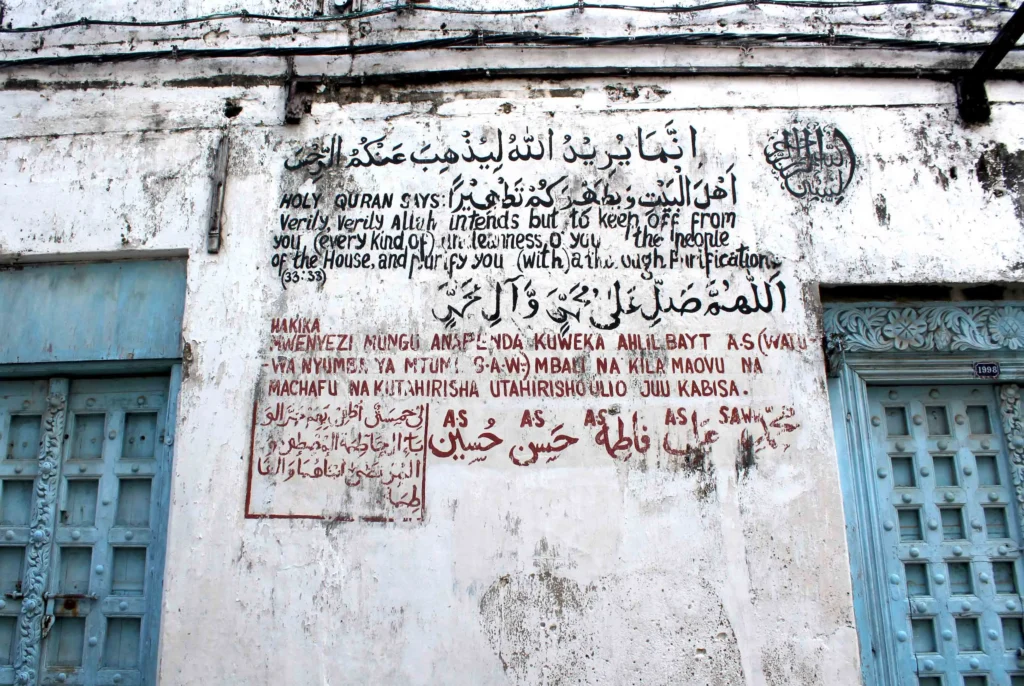
The Swahili civilization that developed along the East African coast was African in foundation and oceanic in orientation. Swahili towns traded with inland communities for gold, ivory, timber, and agricultural goods, while receiving textiles, ceramics, spices, and ideas from overseas networks. Over time, Arabic became influential through commerce, religion, scholarship, and administration, while Kiswahili itself absorbed vocabulary from Arabic and other languages without losing its Bantu grammatical structure. The result was not replacement, but synthesis.
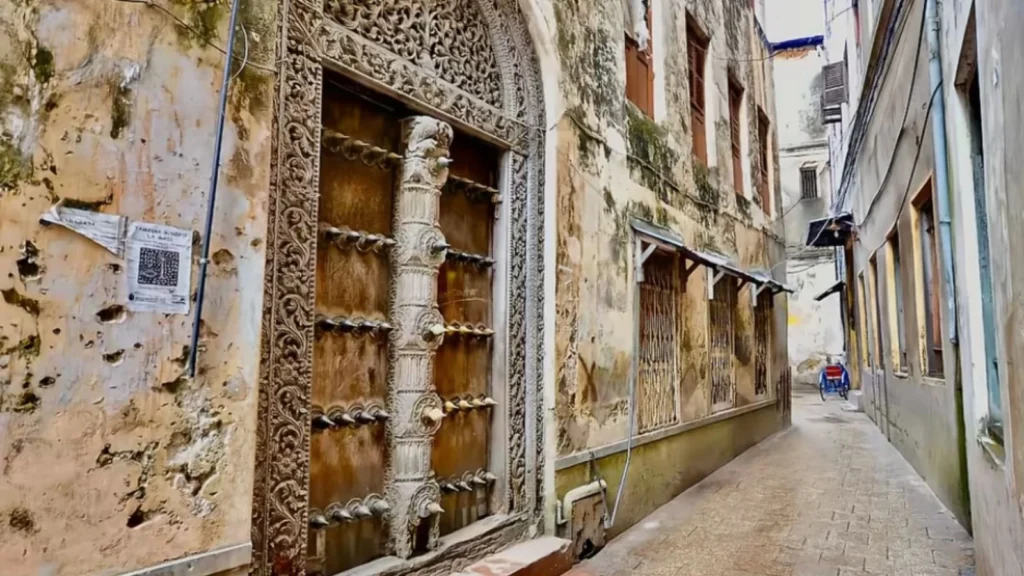
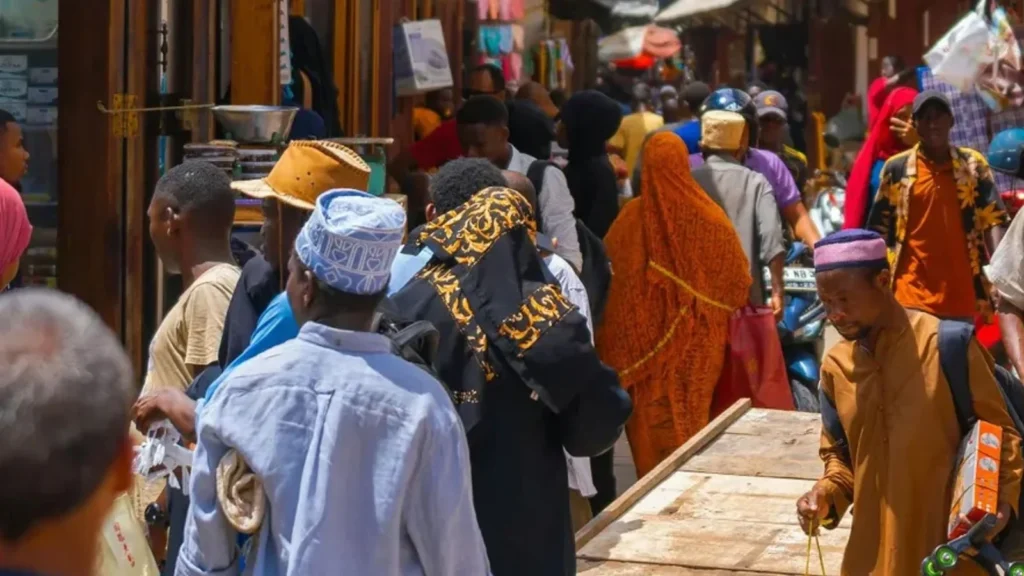
Walking through Stone Town today, that layered history remains visible. Coral stone buildings rise above narrow lanes designed for shade and airflow. Heavy carved wooden doors display motifs associated with status, trade, and craftsmanship. Mosques sit near former merchant houses, open courtyards, and markets where movement still defines daily life. The call to prayer, sea breeze, and scent of cloves often meet in the same hour.
The cultural feeling of Stone Town is one of density rather than spectacle. It is not a place that reveals itself through monuments alone. It asks for slower attention: noticing balconies, overheard languages, changing light on worn walls, the rhythm of afternoon pauses, and the social life of doorways and benches. Travelers who rush through it as a checklist destination often miss its real value.
One common myth is that Stone Town is simply an “Arab city in Africa” or, conversely, that outside influences erased local identity. Neither is accurate. Stone Town is Swahili precisely because it emerged through African agency, coastal trade, Islamic learning, intermarriage, adaptation, and centuries of selective exchange. Its Arab history is real and significant, but it is one strand within a wider fabric.
For the slow traveler, Stone Town rewards staying longer than expected. A few extra days can shift the experience from sightseeing to understanding. Morning markets, evening waterfront rituals, conversations with guides, visits to old baths, mosques, or cultural centers, and the cadence of ordinary streets reveal more than hurried photography ever could.
Visitors seeking deeper context may also explore the UNESCO World Heritage designation of Stone Town, which recognizes its historical role in maritime trade and cultural exchange.