
In Luang Prabang, Laos, where river light, temple rhythms, and slower routines shape the day, a hotel is judged less by spectacle and more by how well it belongs. The Belle Rive Hotel understands this distinction. Rather than imposing a separate identity on the town, it settles into the existing atmosphere and allows the character of the destination to remain central.
This hotel deserves attention because Luang Prabang is one of the rare places where spiritual calm, colonial-era architecture, and river life still coexist with unusual balance. In such a setting, many properties overreach, leaning too heavily into performance or nostalgia. The Belle Rive succeeds by doing less. It understands that in a town shaped by temples, morning alms rituals, shaded streets, and slow evenings, hospitality should support atmosphere rather than interrupt it.
Physically, the property reflects that restraint. Traditional Lao forms, timber details, soft colors, open verandas, and river-facing spaces create an environment that feels connected to climate and setting rather than imported from elsewhere. The scale remains intimate, and nothing suggests mass tourism. Instead, the hotel feels like an extension of the town’s architectural language.
The emotional effect of staying here is subtle but meaningful. Mornings begin with light over the Mekong and the soundscape of a town waking gradually rather than abruptly. Afternoons invite slower movement—walking nearby lanes, pausing in cafés, returning to shade. Evenings feel naturally quieter, shaped by river air and the measured pace for which Luang Prabang is known.
Good stays alter behavior, and The Belle Rive does this well. Guests often slow down without being instructed to. Time becomes less scheduled and more responsive: breakfasts stretch longer, walks happen without fixed plans, and pauses between outings feel as valuable as the outings themselves. Rather than pushing guests outward in constant motion, the hotel encourages a gentler daily rhythm that mirrors the town itself.
Its service culture is best understood as attentive without intrusion. In destinations built around calm, excessive performance can feel out of place. Here, hospitality works when it remains observant, practical, and quietly warm. Help appears when needed, while privacy and silence are left intact. That balance is more sophisticated than visible theatrics.
The hotel suits travelers who value atmosphere, walkability, cultural proximity, and a human-scale stay. It is less ideal for those seeking resort theatrics, nightlife energy, or highly programmed luxury. Luang Prabang itself rewards patience, and so does this property.
The final judgment is clear: The Belle Rive is not memorable because it overwhelms, but because it aligns. In a town where pace matters as much as beauty, that alignment is a form of luxury in itself.
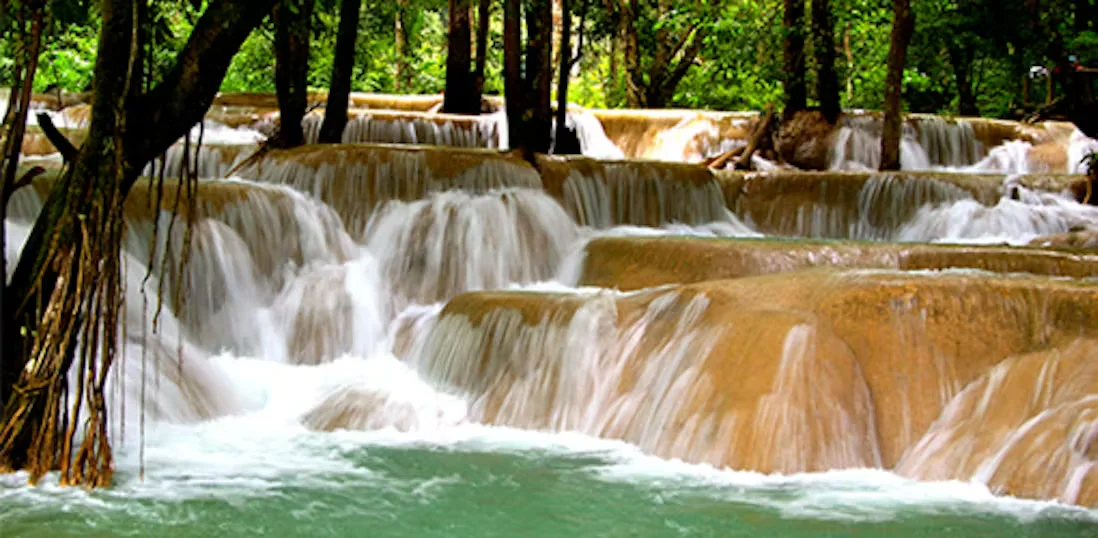
kuang-si-waterfalls-laung-prabang-laos

Mekong-river-at-sunset-luang-prabang-laos
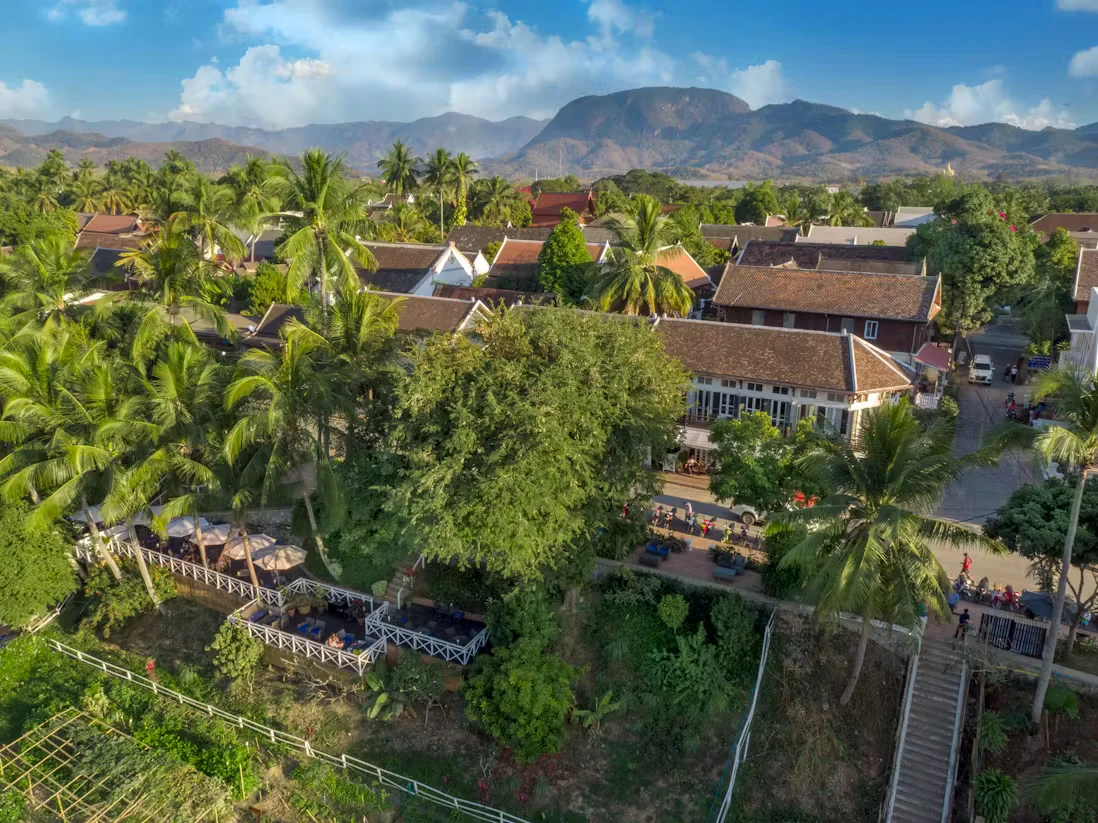
the-belle-rive-hotel-laos
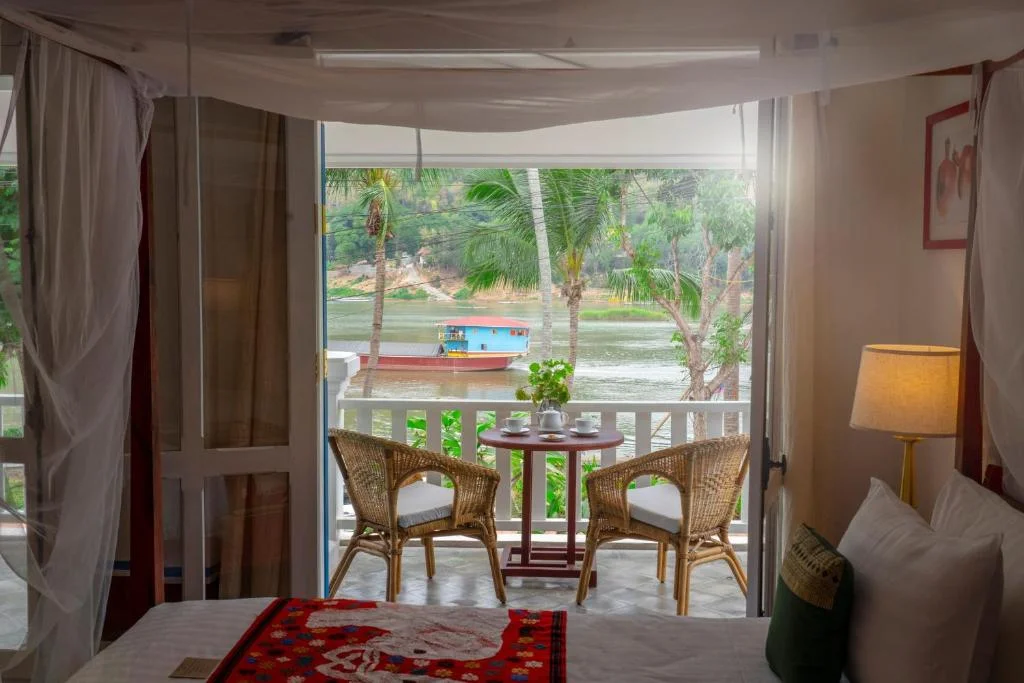
bedroom-view-the-belle-rive-hotel-laos