



In Bali, culture is often described through what is most visible. In Ubud, it becomes clearer through what repeats. It is less about isolated moments and more about a pattern that continues quietly throughout the day, shaping how space is used, how time is experienced, and how daily life is organized.
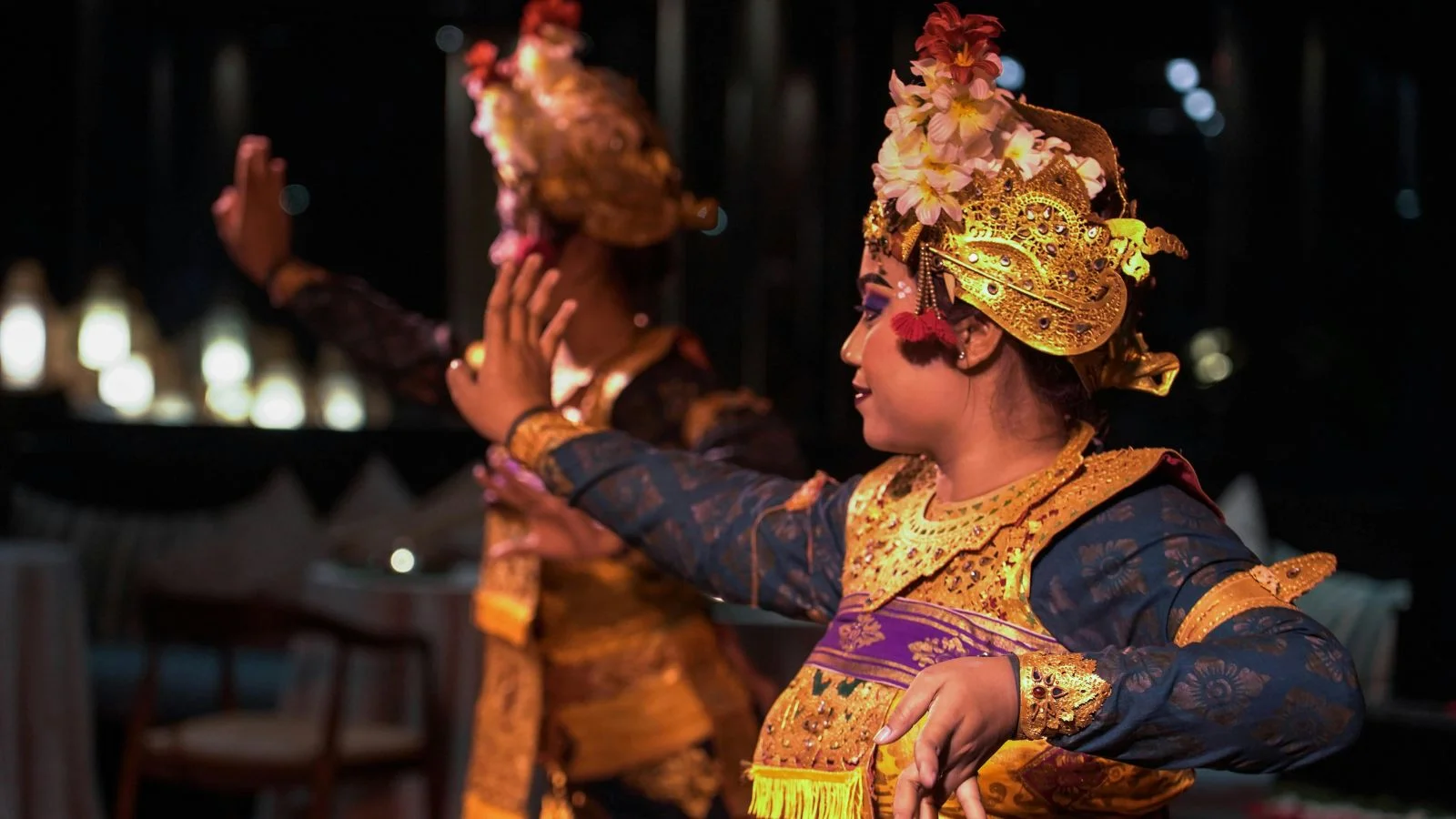
Ubud developed as a cultural center not through a single defining feature, but through a long association with art, craftsmanship, and a way of living that gives weight to detail. Wood carving, painting, textiles, and performance traditions remain present, not as staged attractions, but as ongoing practices that continue alongside modern life. Workshops, galleries, and small studios appear across the town, often without clear boundaries between work, home, and public space.
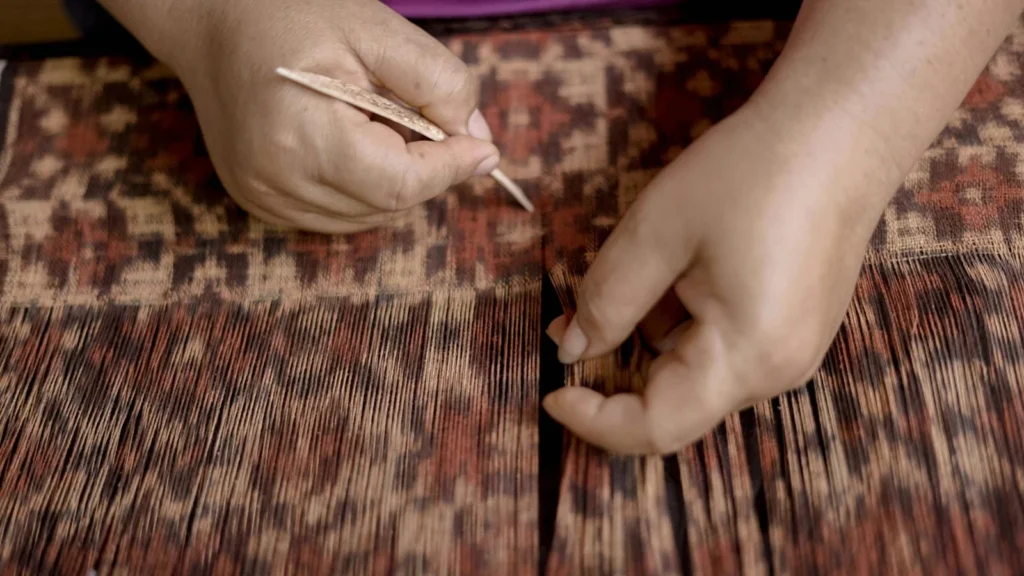
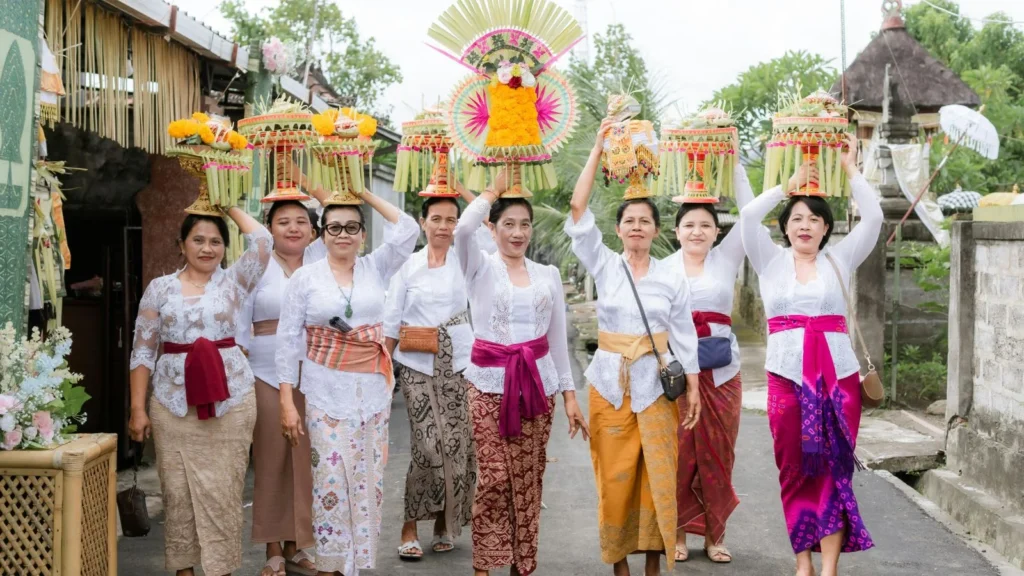
The physical environment supports this continuity. Narrow roads, shaded paths, rice terraces, and small compounds create a setting where movement naturally slows. Daily routines unfold in visible ways—preparation of food, arrangement of small offerings, community interactions, and shared spaces that remain active throughout the day. These elements are not designed to be observed, but they are difficult to ignore once noticed.
The experience of moving through Ubud becomes one of gradual awareness. The same gestures appear in different places: preparation, repetition, care in small details. Over time, these patterns become more recognizable. The town does not present itself through a single focal point, but through accumulation.

There is a common assumption that Ubud’s cultural identity exists primarily for visitors. While tourism has influenced parts of the town, the underlying practices are not recent additions. What is visible today is an extension of routines that existed long before Ubud became widely visited. The presence of galleries, performances, and workshops may appear curated, but their origins remain local.
For the traveler, this shifts the way the place is experienced. Ubud is less effective as a checklist of highlights and more meaningful when approached without a fixed sequence. Walking, returning to the same areas, and allowing time for observation often reveal more than structured plans.
This also means that the town does not always align with expectations of efficiency. Time can feel less segmented, and activities may unfold without strict scheduling. For some, this creates a sense of openness; for others, it may feel unstructured.
Ubud tends to suit travelers who are comfortable with observation, repetition, and a slower form of engagement. It may feel less satisfying to those seeking clearly defined attractions or a fast-moving itinerary.
The final judgment is measured: Ubud’s culture is not concentrated in specific sites, but distributed across daily life. It becomes clearer not through explanation, but through presence over time.