

The Azores do not ask you to see more. They make it difficult to move quickly.
Set far out in the Atlantic, the islands are often introduced as remote, green, and volcanic. But none of these descriptions fully explain what happens when you arrive. The experience is not defined by what you find, but by what gradually stops happening.
The urge to move.
To plan.
To fill time.
It fades.
The landscape does not compete for your attention. It does not organize itself into clear highlights or moments that demand to be seen. Mist settles slowly across crater lakes. Roads curve without urgency through open green. The ocean remains present, but never insistent.
Nothing pushes you forward. And without that pressure, movement begins to feel unnecessary.
A Pace That Does Not Accelerate
In many destinations, time is structured around activity. You move from one place to the next, building a sense of experience through progression.
The Azores offer something different.
Days unfold without direction. A morning might begin along a volcanic ridge, not because it is scheduled, but because there is nowhere else you need to be. Hours pass without being divided into purpose. Even movement — driving, walking, exploring — begins to feel secondary to simply remaining within the environment.
The islands do not reward urgency. They make it irrelevant.
Without the need to optimize time, something shifts. Attention settles. The landscape stops being something you observe and becomes something you remain inside.
Living Within the Landscape
Life here does not separate itself from the environment. Towns remain small, shaped by the same volcanic ground and ocean conditions that define the islands themselves. Agriculture, fishing, and daily routines continue without being adapted for visitors.
This continuity matters.
Because nothing is exaggerated or extended for the sake of tourism, the experience remains proportionate. What you see is what exists. There is no expansion beyond it.
The islands do not reward urgency. They make it irrelevant.
And that consistency changes how the place is understood. The islands are not trying to offer variety. They remain within their limits.
When Stillness Becomes Structure
At some point, the absence of urgency becomes more than a feeling. It becomes a structure.
You stop thinking in terms of what to do next. You stop measuring time through activity. Even the idea of “experiencing” the destination begins to lose relevance.
The Azores do not require interpretation. They reduce it.
Without constant input, thoughts begin to complete themselves. Conversations extend without interruption. Even silence feels functional, not empty.
This is where the islands become precise. Not as a place that inspires. But as a place that stabilizes.
Staying Without Disruption
Where you stay in the Azores matters less in terms of luxury, and more in terms of alignment.
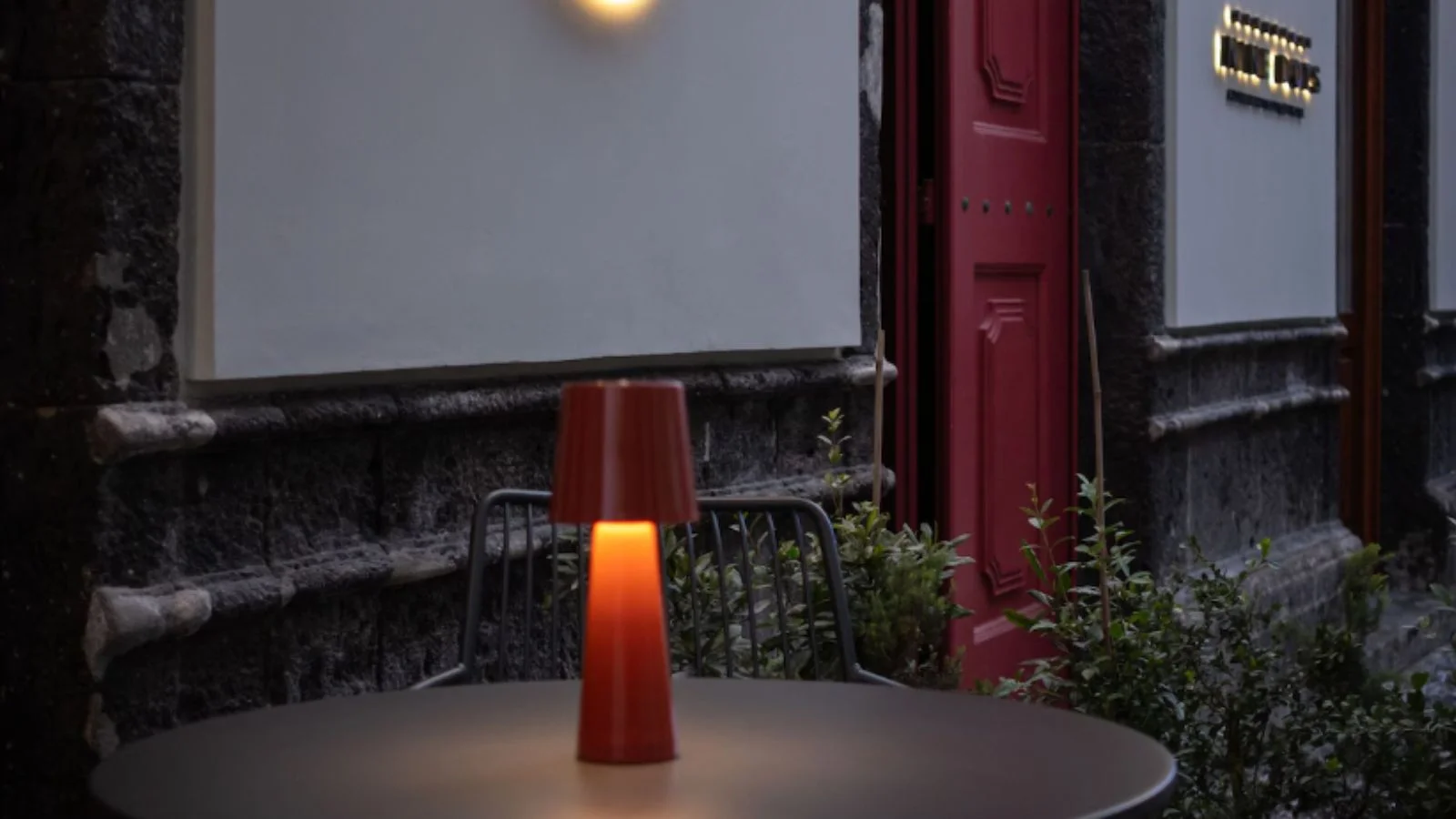
The places that work best here do not attempt to elevate the experience beyond the landscape. They remain quiet, low in scale, and materially consistent with their surroundings. Light is allowed to move naturally. Space is not overdefined. Transitions between inside and outside are subtle.
Anything that tries to add too much begins to feel out of place. In a landscape defined by stillness, excess becomes interruption. The role of hospitality here is not to enhance.It is to remain in balance.
What the Islands Leave You With
The Azores do not offer a sequence of moments that can be easily retold.
There is no single defining highlight, no clear narrative that organizes the experience into something complete.
What remains instead is a shift in pace. The sense that movement is no longer necessary. That time does not need to be filled.
That a place does not need to offer more in order to feel sufficient.
Some destinations expand what you experience. Others, like the Azores, reduce what stands in the way of it.