



For many years, travel was shaped by a single idea: speed. Faster flights, tighter itineraries, and the assumption that a successful journey meant seeing as many places as possible in the shortest amount of time. Cities were reduced to landmarks, itineraries became lists, and travelers moved quickly from one destination to another. Efficiency became the measure of experience.
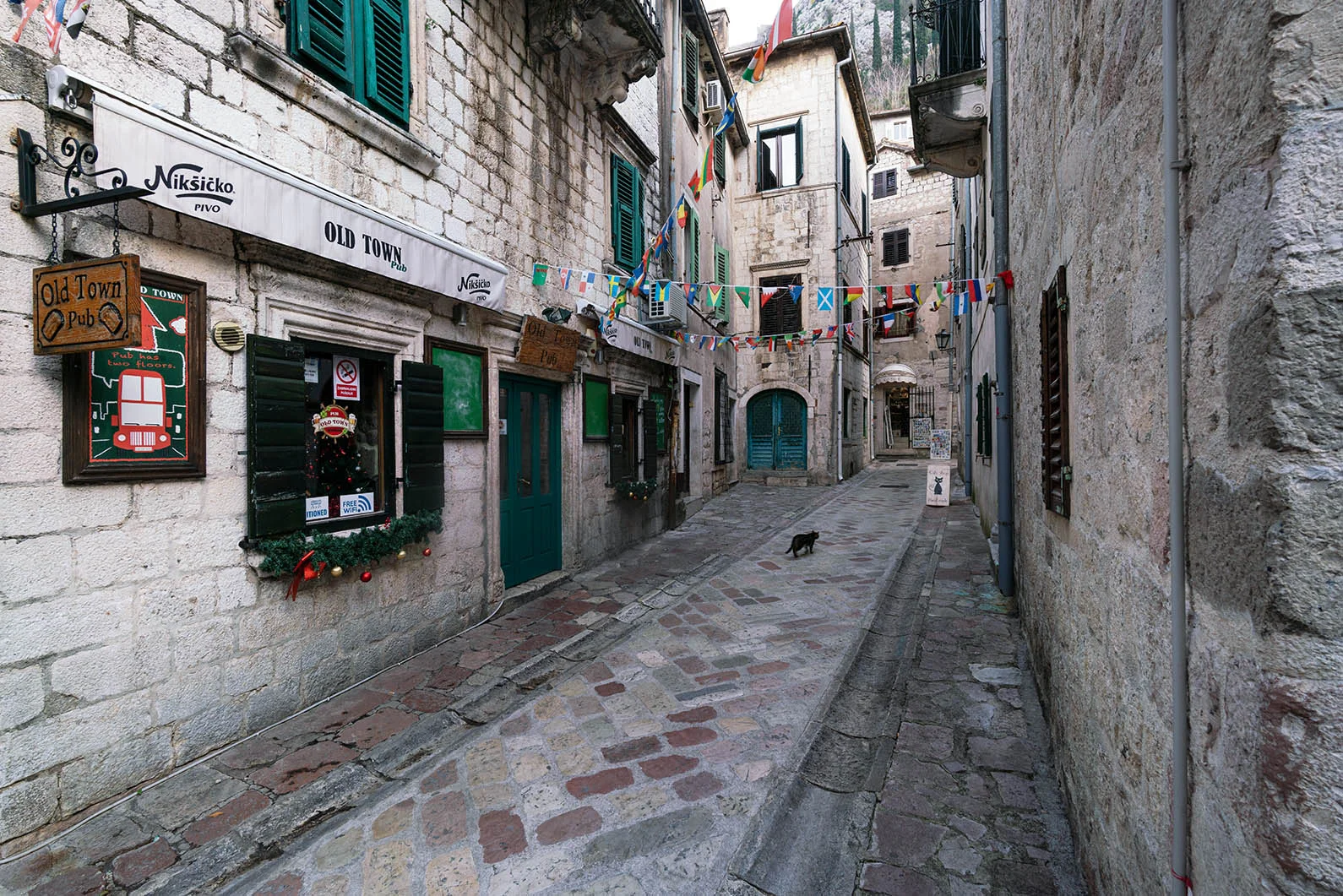
Yet something subtle was often lost in this rhythm. When time is compressed, places rarely have the opportunity to reveal themselves beyond their surface. Streets are passed through rather than walked slowly. Conversations remain brief. The small details that give a place its character are easily overlooked.
In recent years, however, a different approach to travel has begun to reappear. Many travelers are no longer focused solely on how many destinations they can reach, but on how deeply they can experience the places they choose to visit. This shift has quietly revived an older philosophy of travel: moving slowly.
Slow travel is not simply about reducing the number of destinations on an itinerary. It is about allowing time to shape the experience of a place. Longer stays, fewer transitions, and unstructured days allow travelers to notice what hurried trips rarely reveal. Morning routines in small cafés, quiet neighborhood streets, local markets, and the gradual rhythm of daily life become part of the journey itself.
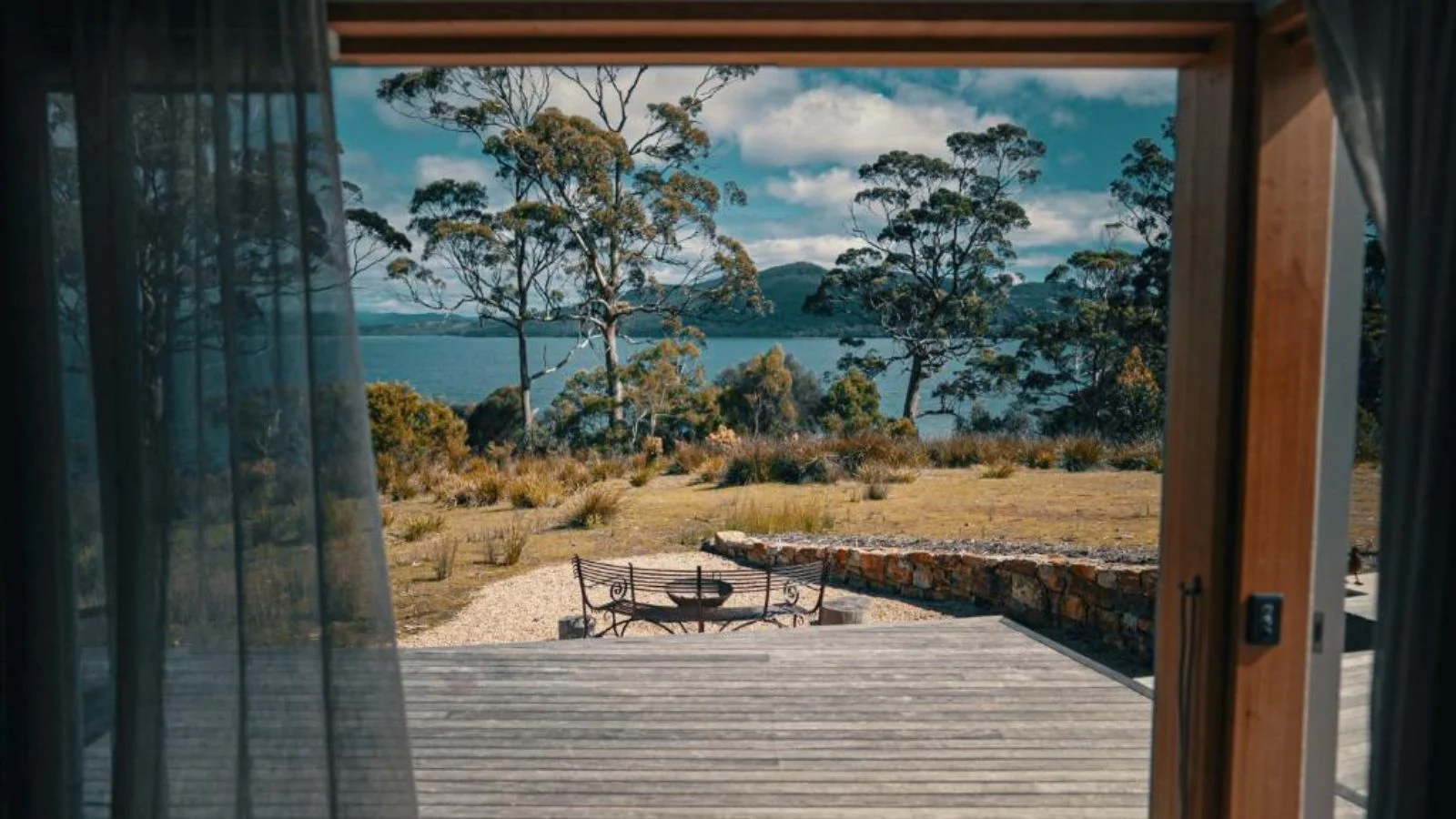
Certain destinations naturally invite this slower pace. Small historic towns, coastal villages, and rural landscapes often reward observation more than activity. Places such as the Azores, Kyoto’s older districts, or the interior villages of Sardinia do not immediately reveal their character to the hurried visitor. Their beauty unfolds gradually, often through ordinary moments rather than dramatic sights.
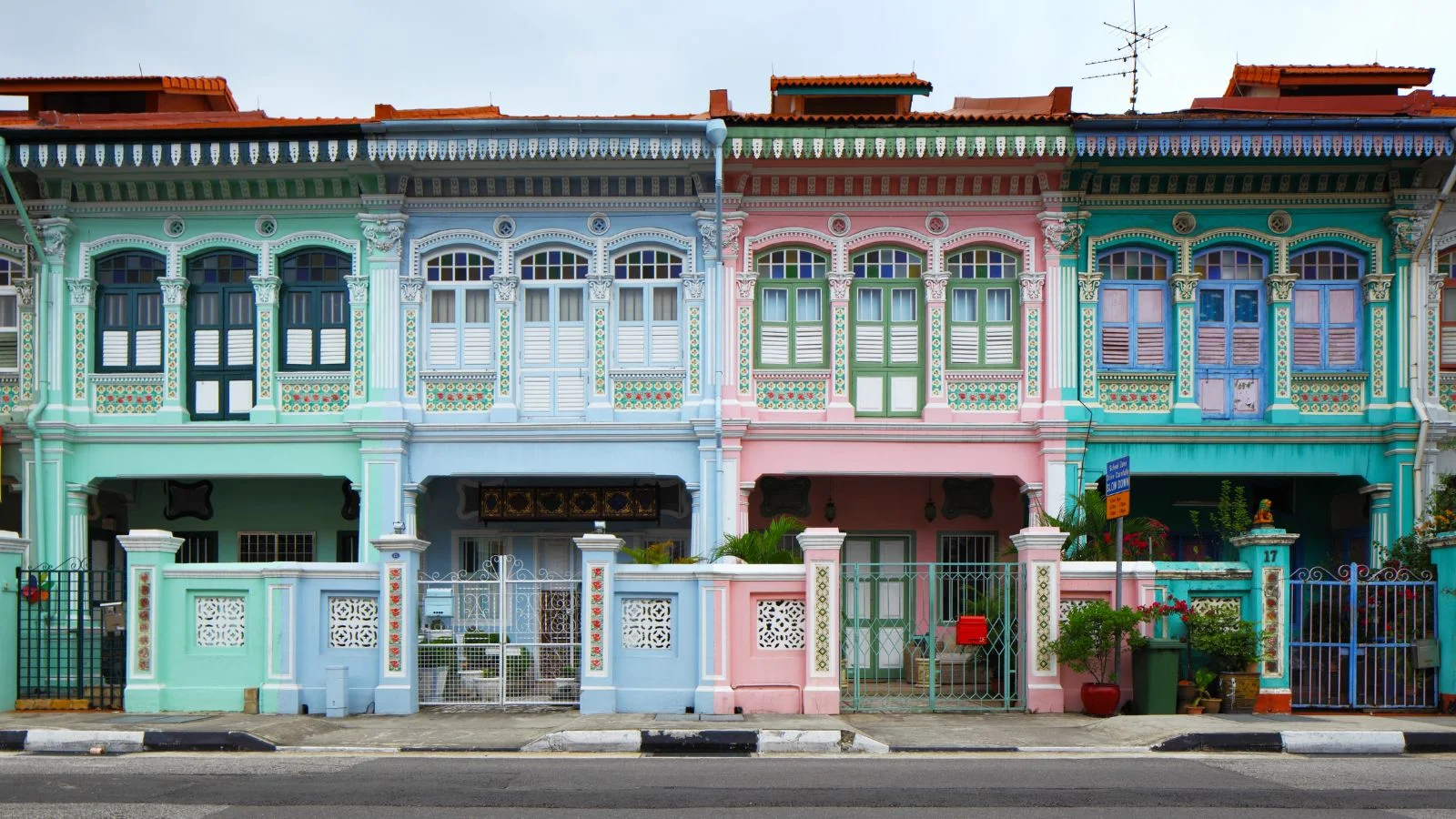
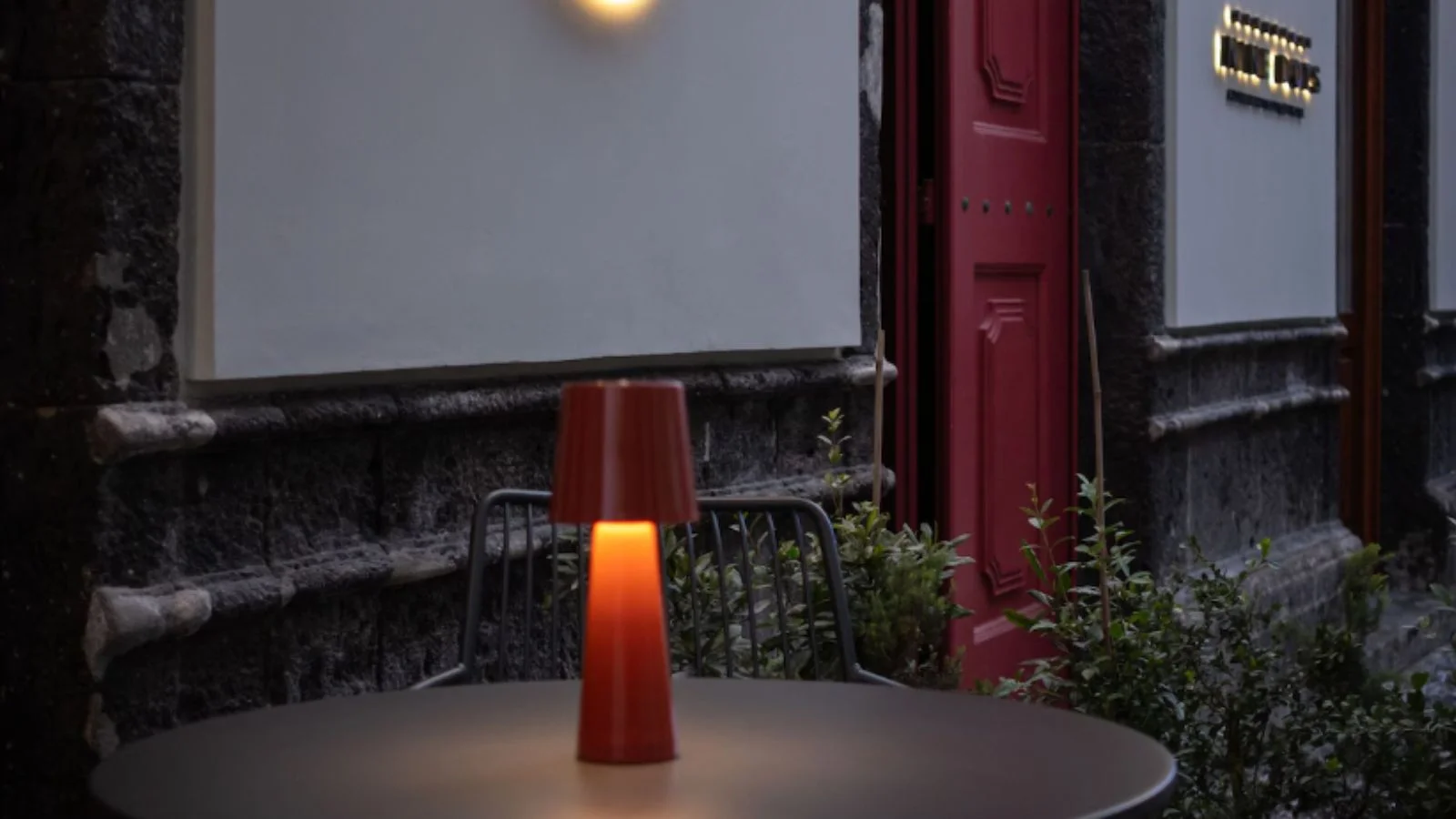
Accommodation also begins to play a different role within this slower approach. Instead of serving only as a place to sleep between activities, the stay becomes an integral part of the experience. Boutique hotels, restored historic houses, and small guesthouses often reflect the character of their surroundings far more intimately than large international hotels.
Perhaps the quiet return of slow travel is a natural response to the pace of modern life. In a world defined by constant movement, digital noise, and compressed schedules, travel is increasingly seen as an opportunity to recover a different rhythm. Travelers are not necessarily seeking more stimulation when they leave home, but more presence.
Seen in this light, slow travel is less a trend than a rediscovery. It reminds us that journeys do not always become richer by moving faster. Sometimes they deepen by allowing the traveler to pause, observe, and remain long enough for a place to reveal its quieter stories.