
Lake Orta: A Village Best Experienced Slowly
View Gallery
9 Photos
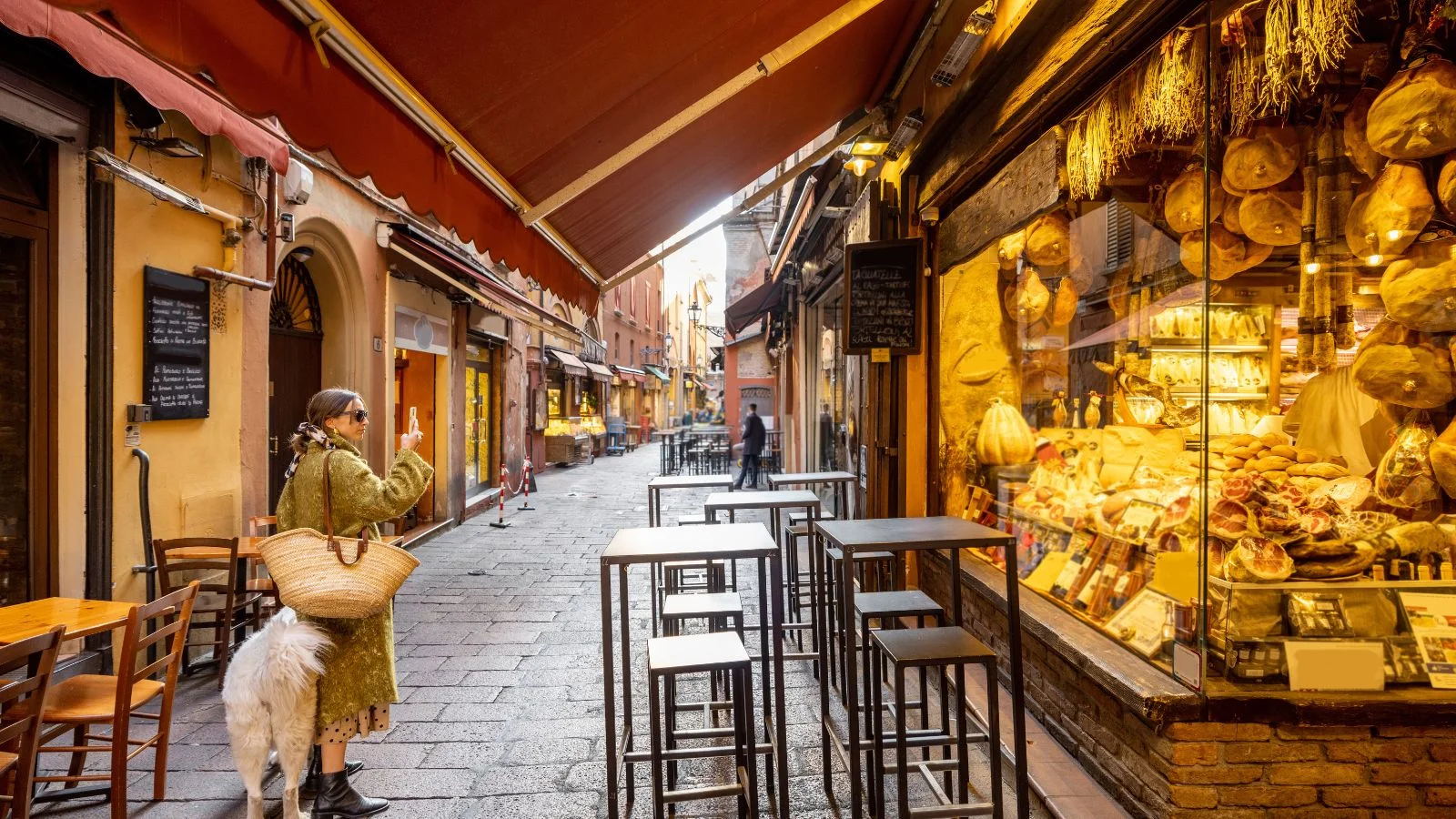
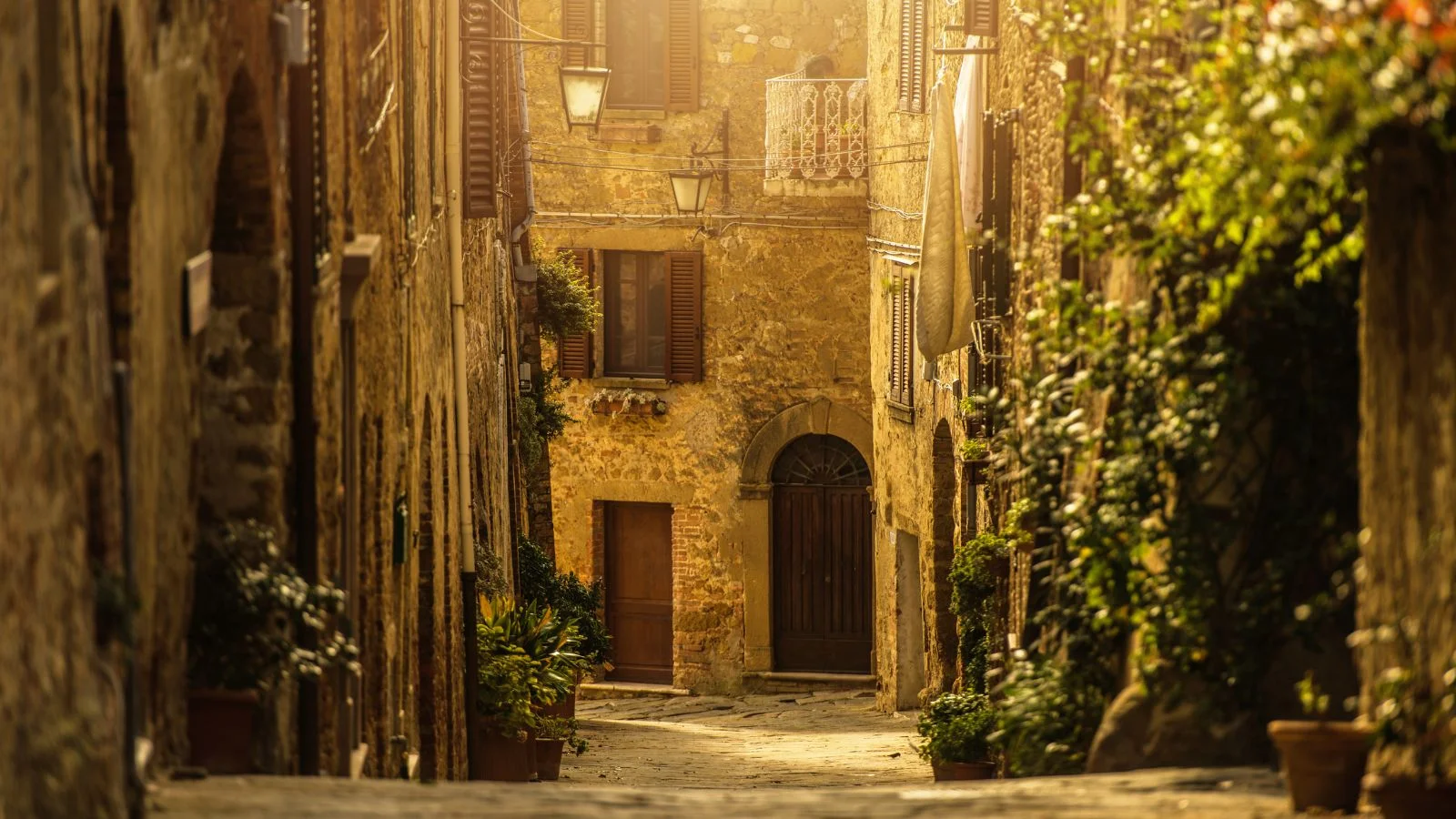
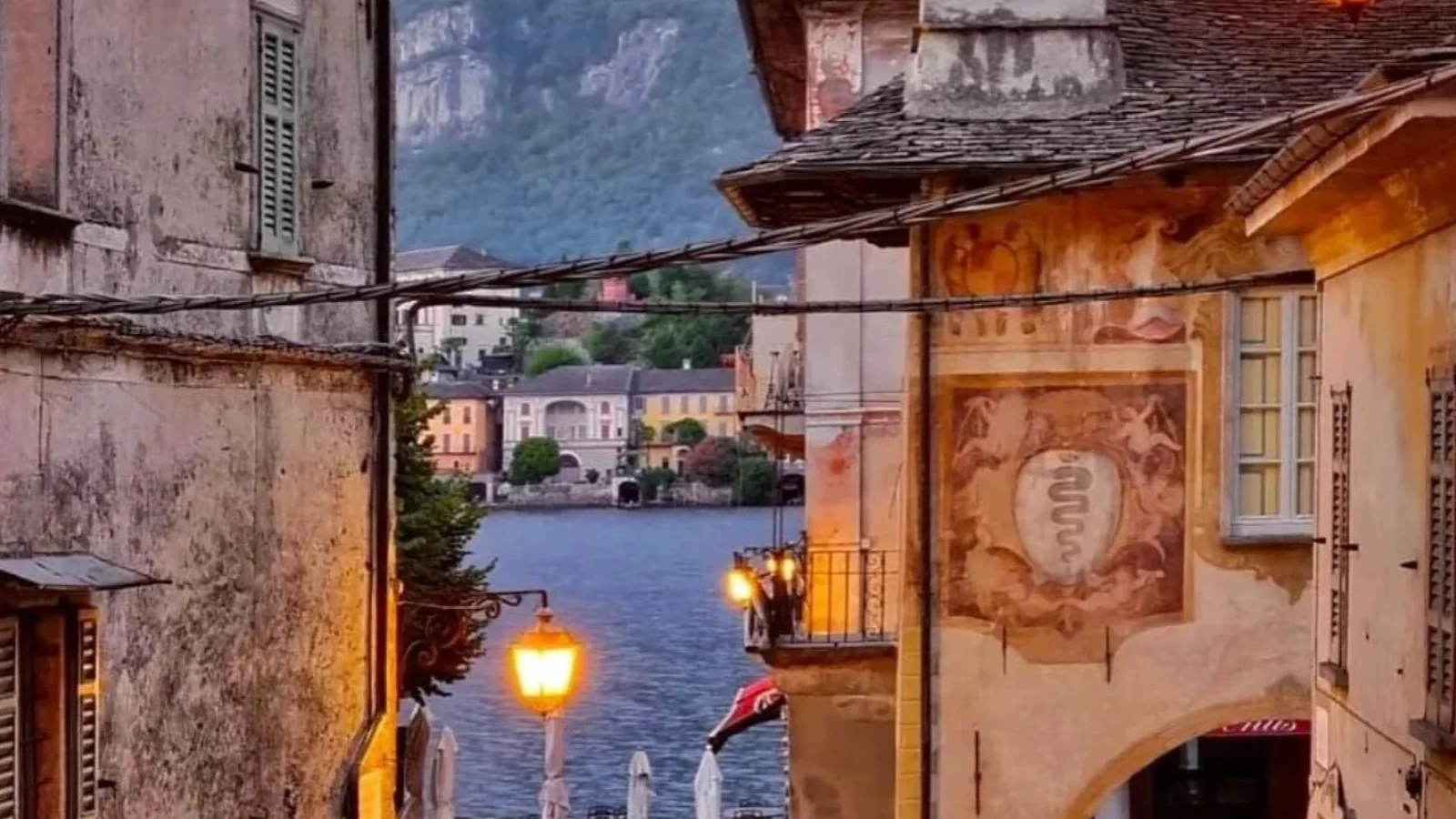
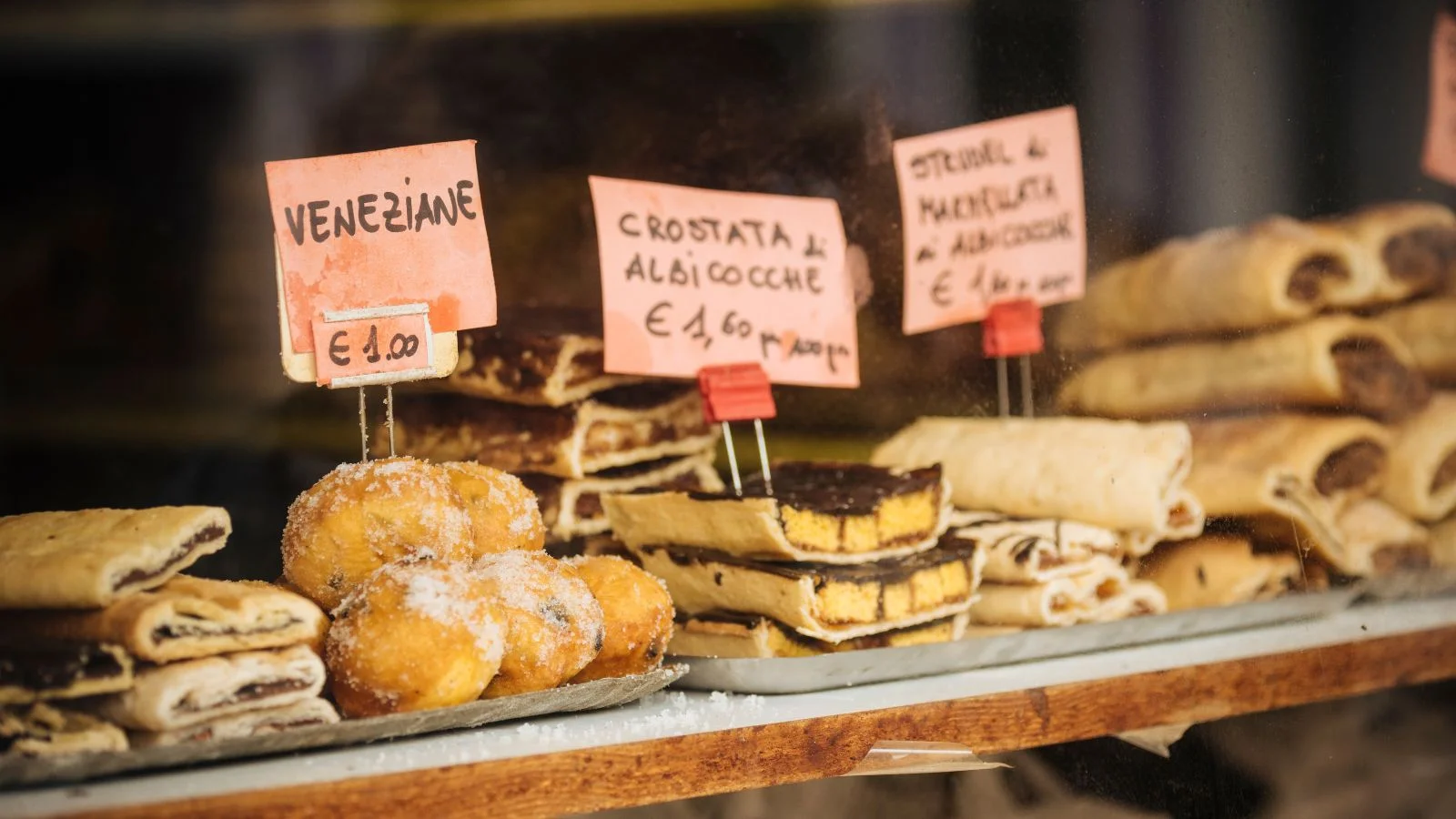
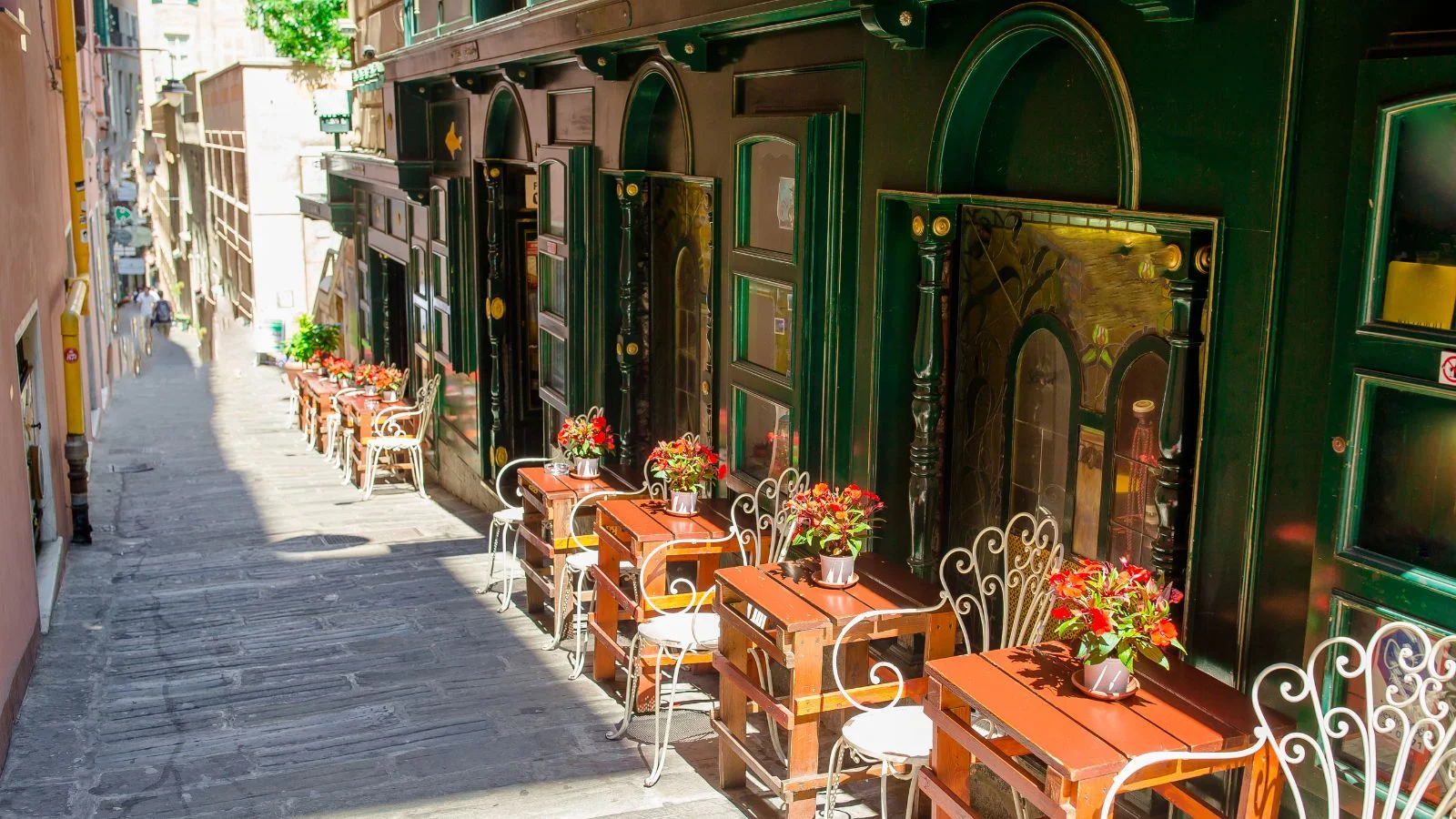
Many travelers arrive in Italy trying to accomplish as much as possible. Cities become checklists. Days become tightly scheduled routes between landmarks, restaurants, and photographs. Lake Orta moves against that rhythm almost immediately.
Set quietly in northern Italy, Orta San Giulio does not compete aggressively for attention in the way many destinations now do. There are no oversized crowds gathering around famous viewpoints, no pressure to constantly move between attractions, and very little feeling that the village is performing itself for visitors. Instead, Orta works best when travelers stop rushing through the day and begin simply soaking it all in.
This is partly why the village feels increasingly relevant now. Many people are no longer searching only for beautiful destinations. They are searching for places where travel stops feeling like a competition — places where the experience is shaped less by accomplishment and more by attention, rhythm, and presence.
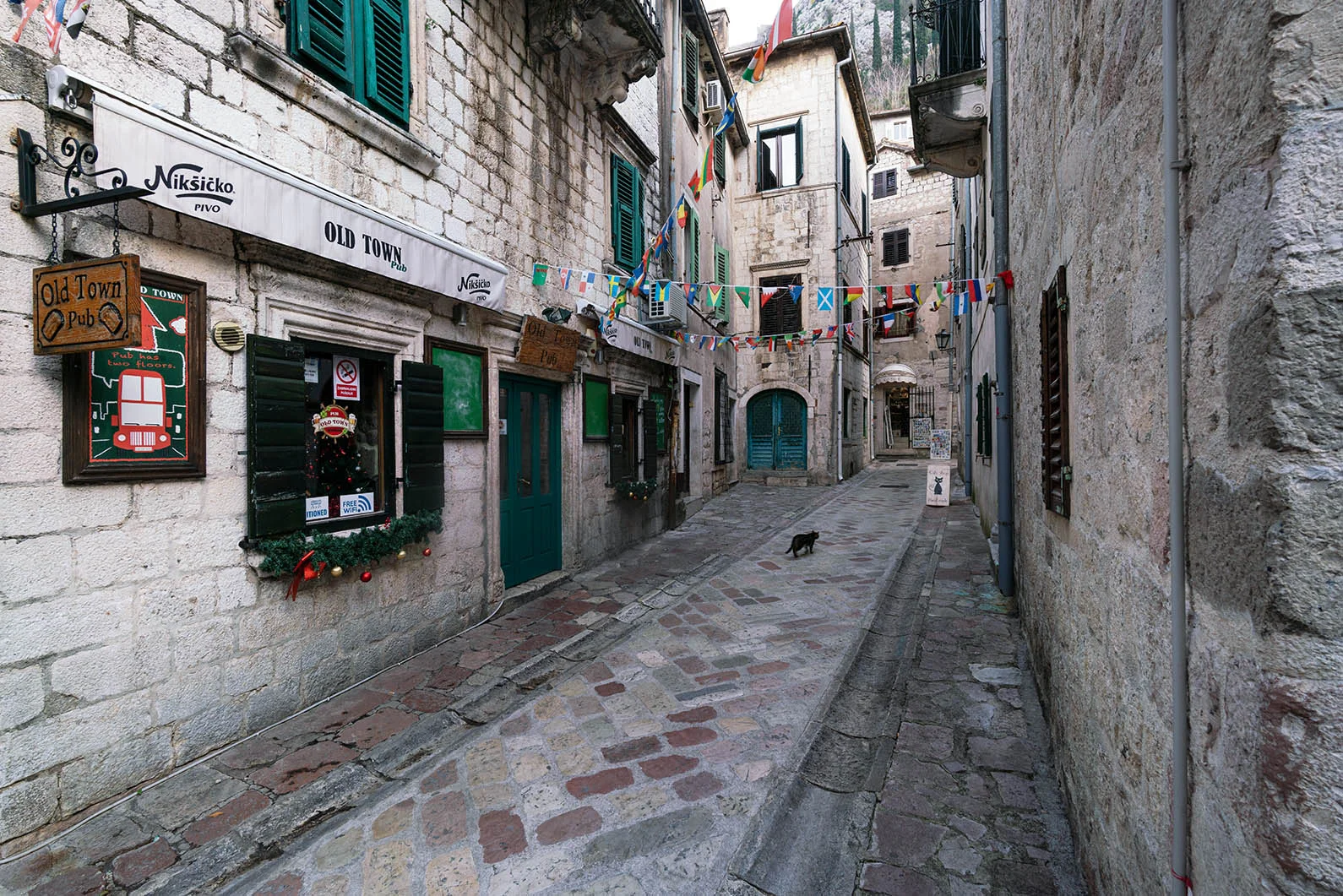
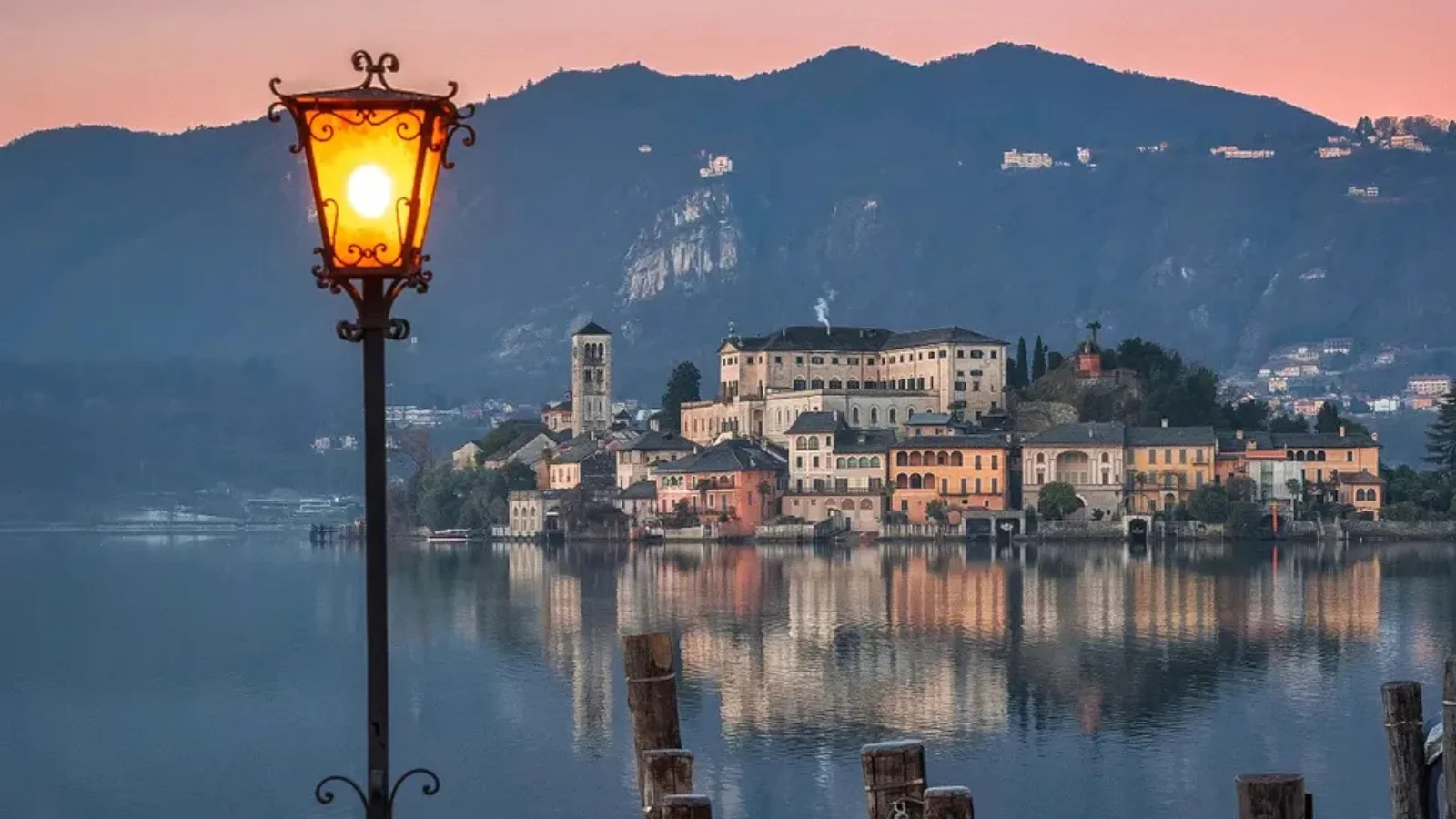
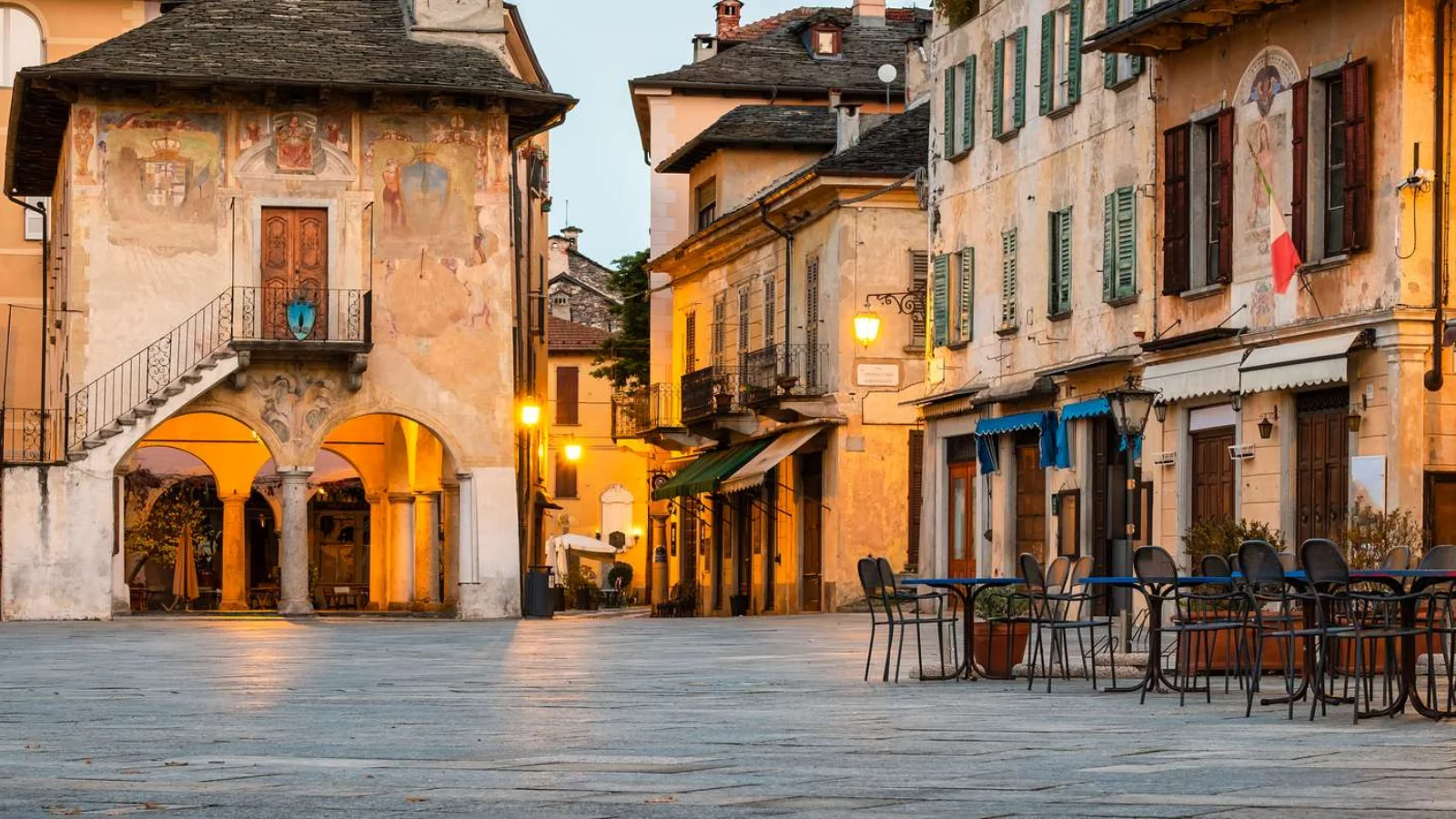
Physically, Orta remains remarkably gentle in scale. Narrow stone streets move gradually toward the lake. Small cafés settle quietly into corners rather than dominating the town visually. Local shops still feel connected to everyday life instead of existing only for tourism. Even during warmer months, the atmosphere often feels calmer than many of Italy’s more heavily visited lake destinations.
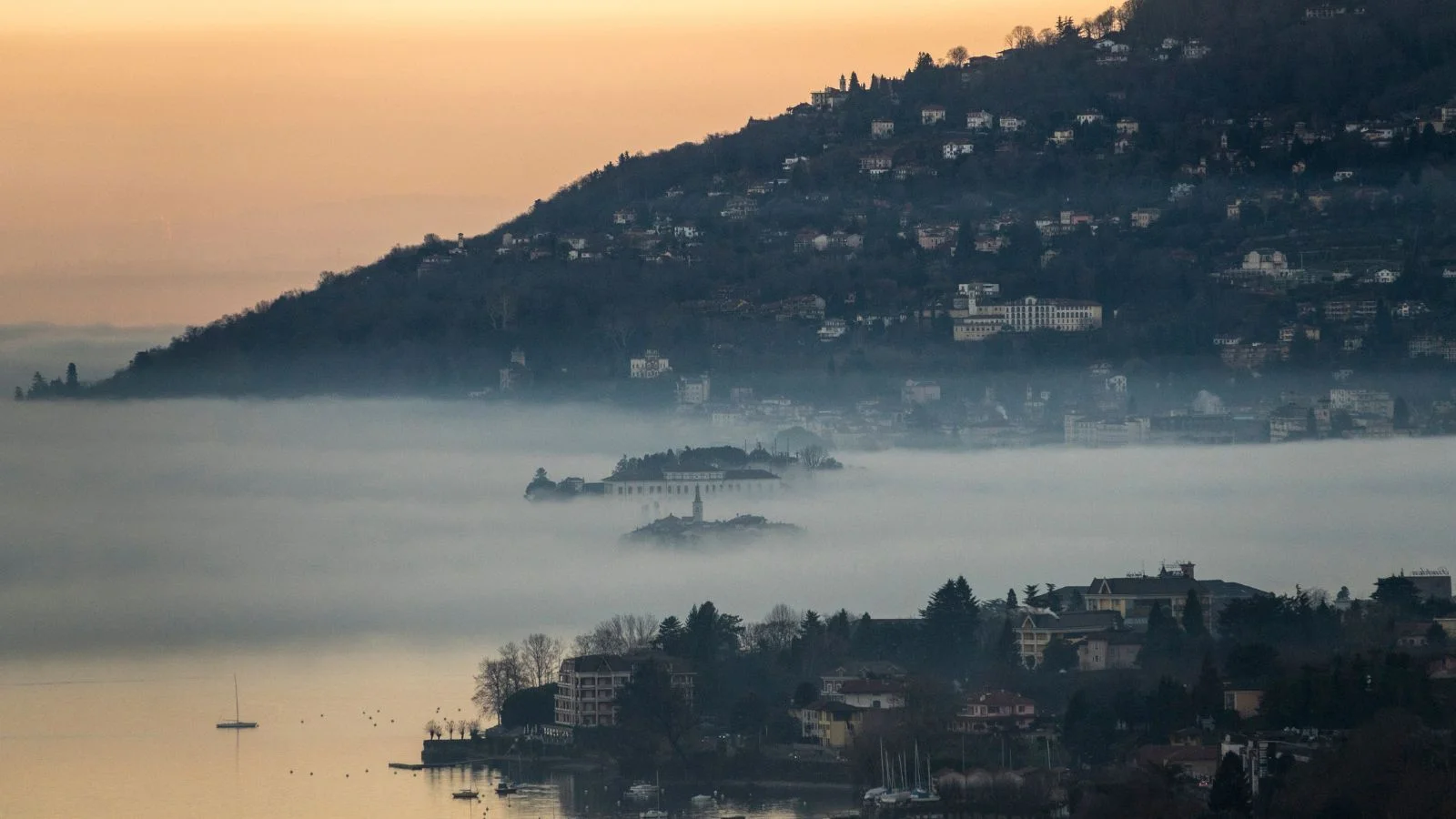
The lake itself shapes much of the emotional pacing. Early mornings are especially important here. Before the town fully wakes, the water often feels almost completely still. Some travelers begin wandering before breakfast without any particular plan, passing bakeries opening for the morning, watching delivery vans arrive quietly through narrow streets, or stopping at the same café several days in a row until it begins to feel familiar.
This repetition matters more than many people expect.
Orta is not a destination that reveals itself through intensity or constant novelty. It becomes more enjoyable once travelers stop trying to “complete” it. The second walk through the village often feels better than the first. Certain cafés begin feeling recognizable. Small routines form naturally. The experience shifts slowly from visiting a place to temporarily inhabiting it.
That distinction changes behavior.
People linger longer at lunch. Afternoons unfold with less urgency. Sitting beside the lake no longer feels like wasted time between activities. Some travelers return repeatedly to the same bench, the same bakery, or the same narrow street simply because familiarity itself becomes comforting after a few slower days.
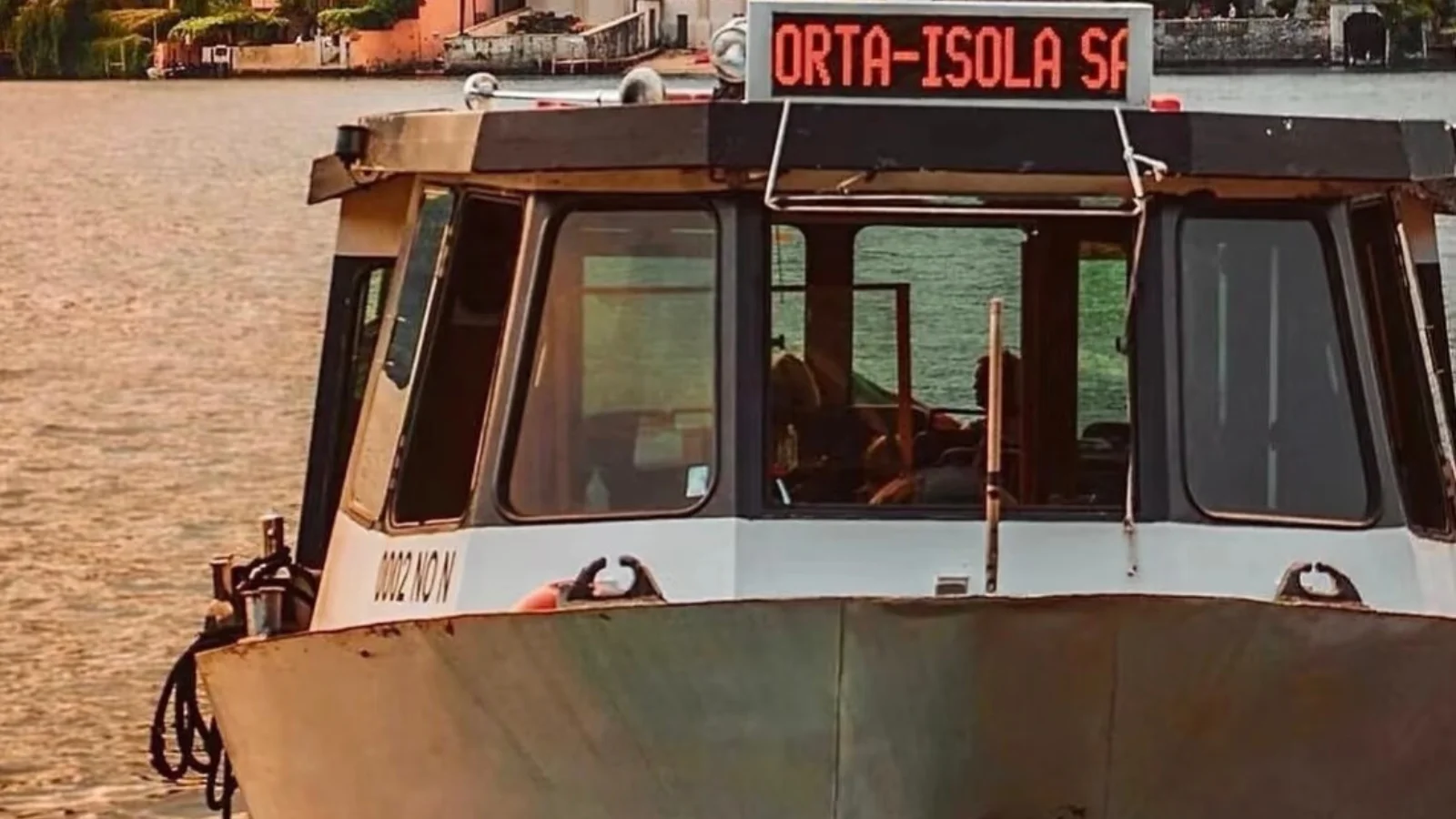
This is also where Orta differs from destinations built primarily around sightseeing. The village rewards participation more than performance. Travelers willing to settle into local rhythms often discover quieter experiences that stay with them far longer than major attractions usually do — lingering café culture, seasonal food traditions, nearby artisan workshops, small grocery stores, local ferries crossing the lake, and conversations that emerge naturally once movement slows down enough for people to notice each other.
Many of these moments would seem unremarkable in a faster style of travel. In Orta, they gradually become the experience itself.
The hospitality around the lake reflects this atmosphere as well. Smaller hotels, family-run stays, and quieter restaurants tend to work best because they extend the emotional rhythm of the village instead of interrupting it. Good stays here rarely try to entertain aggressively. They allow travelers to settle in, return slowly to familiar places, and experience the town less like tourists and more like temporary locals.
This slower emotional structure will not suit everyone. Travelers looking for nightlife, heavily programmed itineraries, luxury spectacle, or constant stimulation may find Orta too restrained. The village asks for patience. It asks travelers to notice rather than rush, to linger rather than optimize, and to leave space for unplanned moments instead of trying to control every hour.
But for travelers drawn to slower and more meaningful forms of travel, Lake Orta offers something increasingly rare: a place where the little moments become the memory.
Not because the village demands attention.
But because, for a few quieter days, it allows people to stop competing for it.