


Long before George Town, Malaysia became a destination, it was a place where different cultures learned how to live beside one another. That story can be read in its streets, heard in its languages, tasted in its food, and perhaps most clearly seen inside its traditional homes. Behind many historic facades lies a feature that appears surprisingly often: the courtyard.
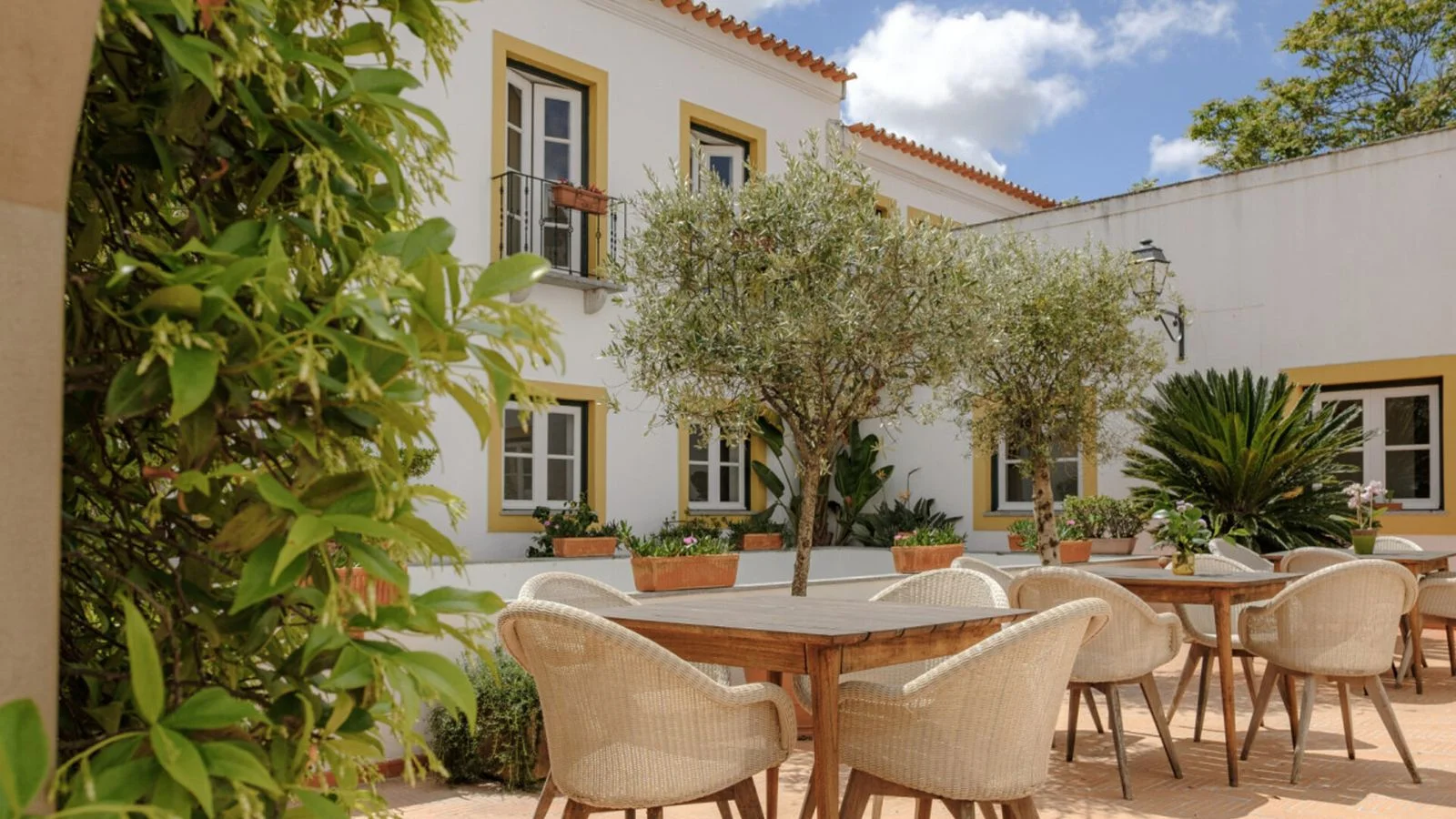
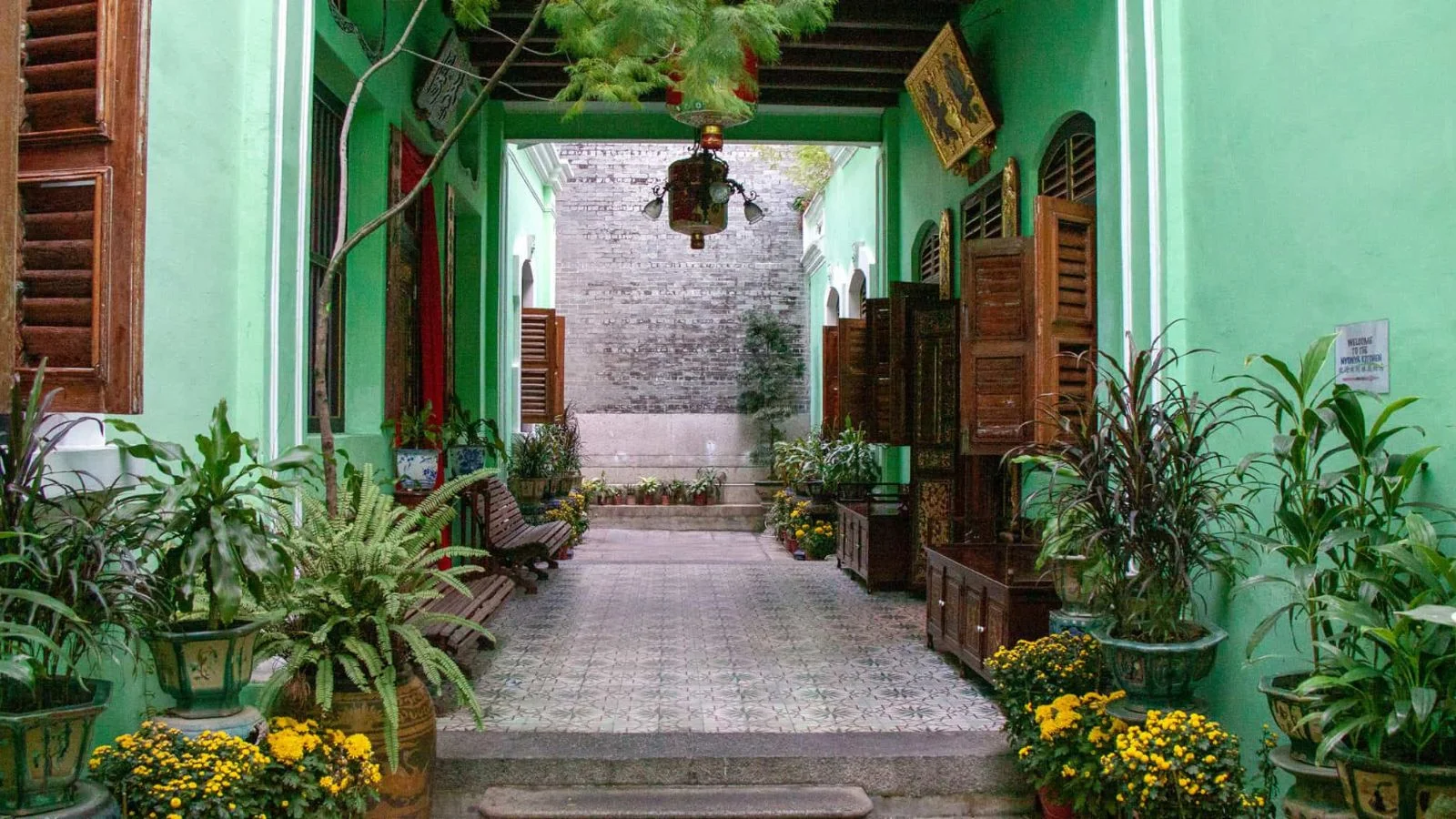
More than an architectural solution, the courtyard reflected a way of life. It brought light into densely built urban homes, encouraged natural ventilation in the tropical climate, and created a shared space around which daily life unfolded. Meals, conversations, celebrations, and ordinary moments all gravitated toward this open centre, making the courtyard as much a social space as an architectural one.
The same principle shaped much of Peranakan culture, which emerged through generations of interaction between Chinese migrants and local Malay communities. Rather than replacing one identity with another, the culture evolved through adaptation, creating traditions, aesthetics, and ways of living that reflected multiple influences at once. The result was not cultural compromise but cultural confidence, visible in everything from architecture and craftsmanship to food and family life.
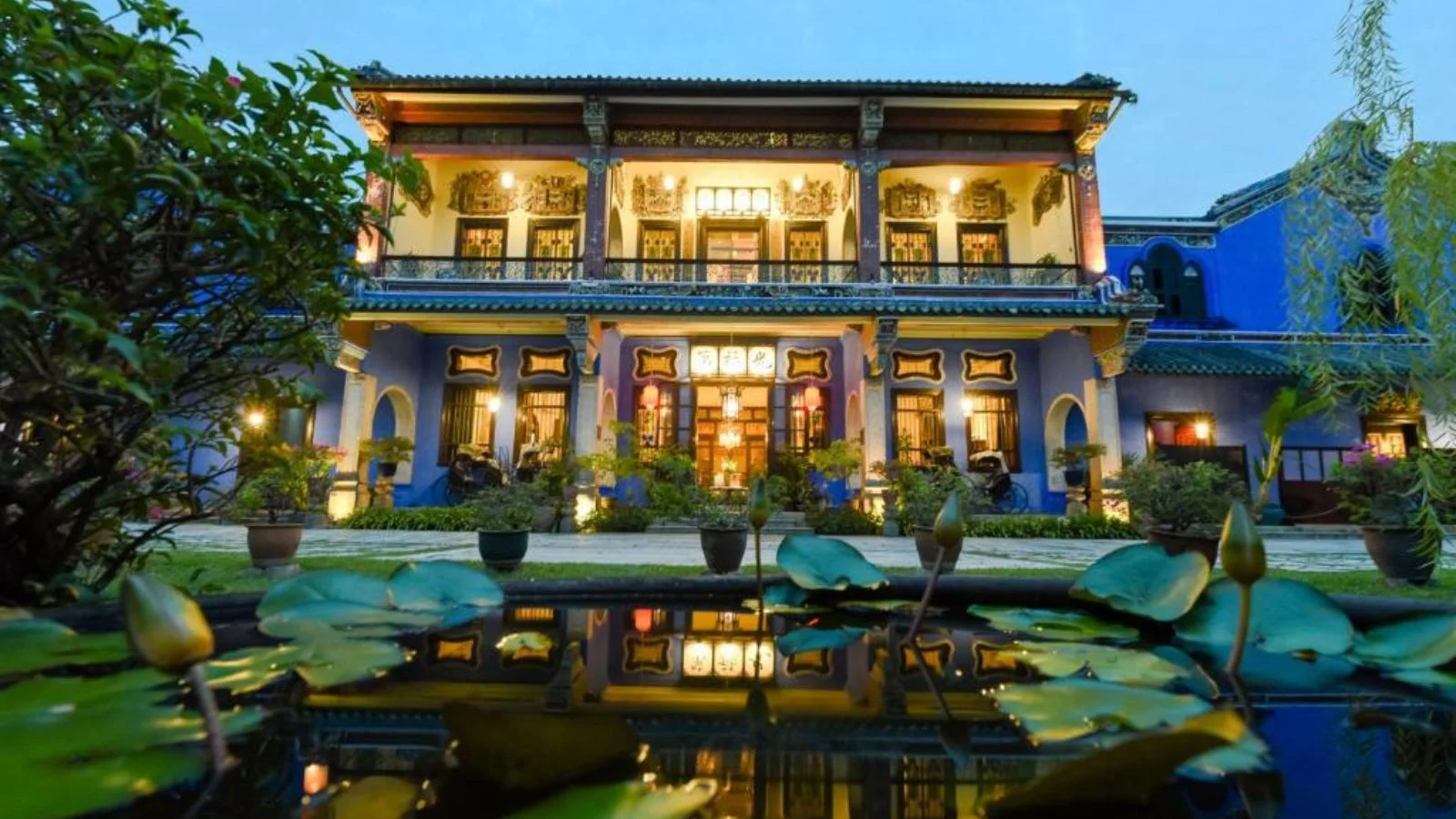
This may explain why places such as The Blue Mansion feel so distinctive. The building reflects more than design preferences or historical wealth. It embodies a cultural belief that identity can be strengthened through connection rather than weakened by it. Courtyards, carved screens, imported materials, local craftsmanship, and everyday rituals all became part of the same story.
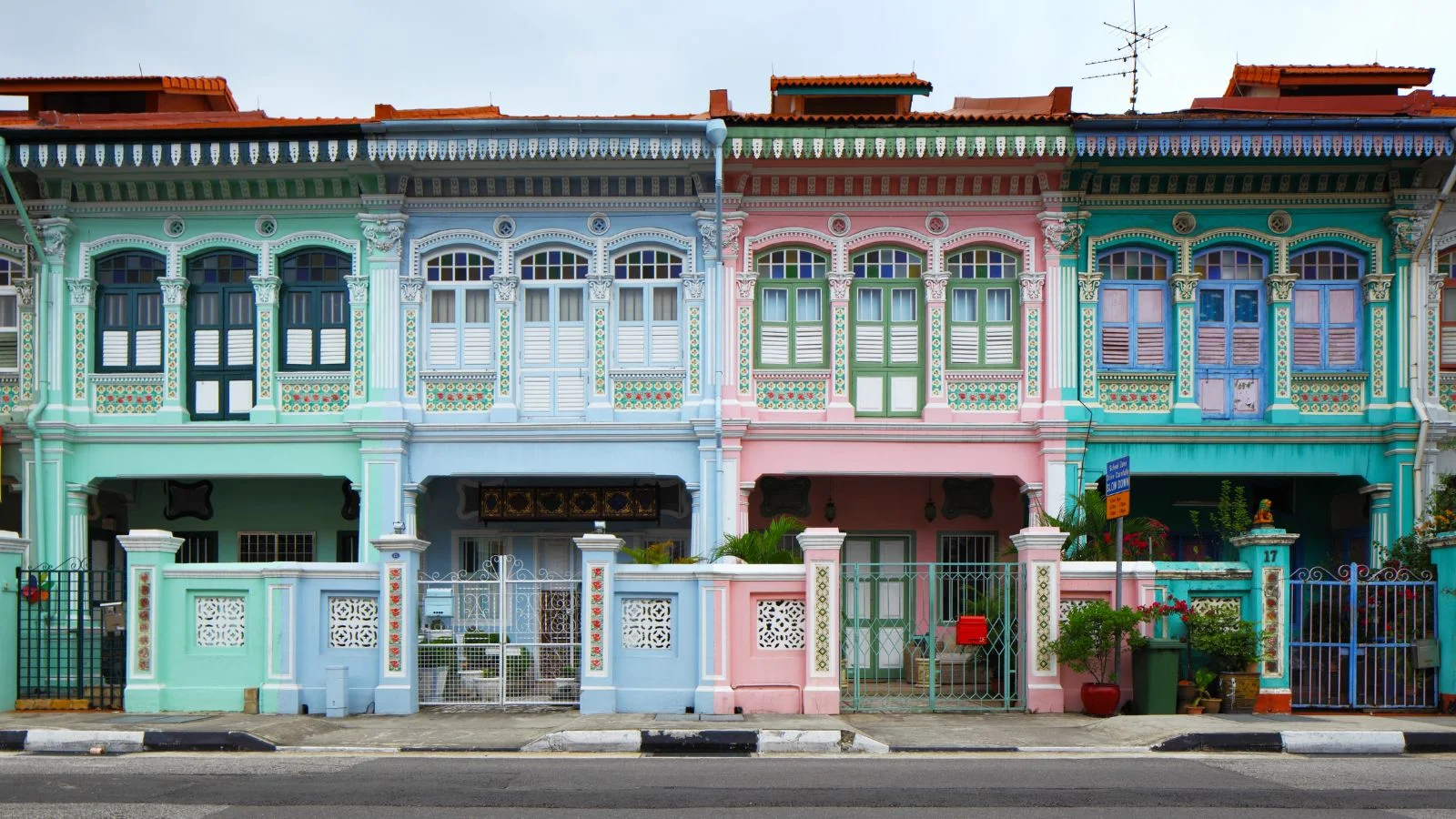
Walking through George Town today, that story remains visible. The city’s cultural identity is not preserved behind museum glass. It continues to exist in homes, family businesses, places of worship, neighbourhood traditions, and architectural details that have survived because they remain meaningful to the communities around them. For slow travellers, understanding this culture often changes the experience of the city itself. What first appears as heritage gradually reveals itself as something more enduring: a living expression of belonging.
That sense of belonging is perhaps the most distinctive aspect of George Town’s cultural character. The city does not present its influences as separate layers competing for attention. Instead, they coexist naturally within everyday life. A walk through a single street may reveal Chinese ancestral traditions, Malay customs, Indian influences, colonial-era architecture, and contemporary local life existing side by side without contradiction. The experience is less about observing cultural differences and more about understanding how communities have learned to shape a shared identity while retaining their individual histories.
For travellers interested in culture, the significance of George Town lies not only in what has been preserved but in what continues to function. Courtyards still gather families. Traditional businesses still operate from historic buildings. Recipes, crafts, celebrations, and social rituals continue to be practiced rather than merely remembered. This continuity gives the city an authenticity that is difficult to manufacture because it emerges from lived experience rather than presentation.
Viewed through this lens, George Town becomes more than a collection of heritage buildings or historical landmarks. It offers a valuable reminder that culture is not created through monuments alone. It is created through daily habits, shared spaces, family traditions, and the countless small decisions that communities make over generations. The courtyards of George Town reflect this idea beautifully. They are architectural features, certainly, but they are also symbols of a broader cultural philosophy that values connection, continuity, and coexistence.
The strongest impression is not one of nostalgia, but of confidence. George Town demonstrates that cultural identity does not need to remain fixed in order to survive. It can adapt, absorb influences, and evolve while remaining recognisable to itself. That quiet confidence continues to shape the city today, making it one of the most compelling cultural landscapes in Southeast Asia and an ideal place to explore how architecture, heritage, and everyday life remain inseparable.
the-rhythm-of-the-five-foot-way
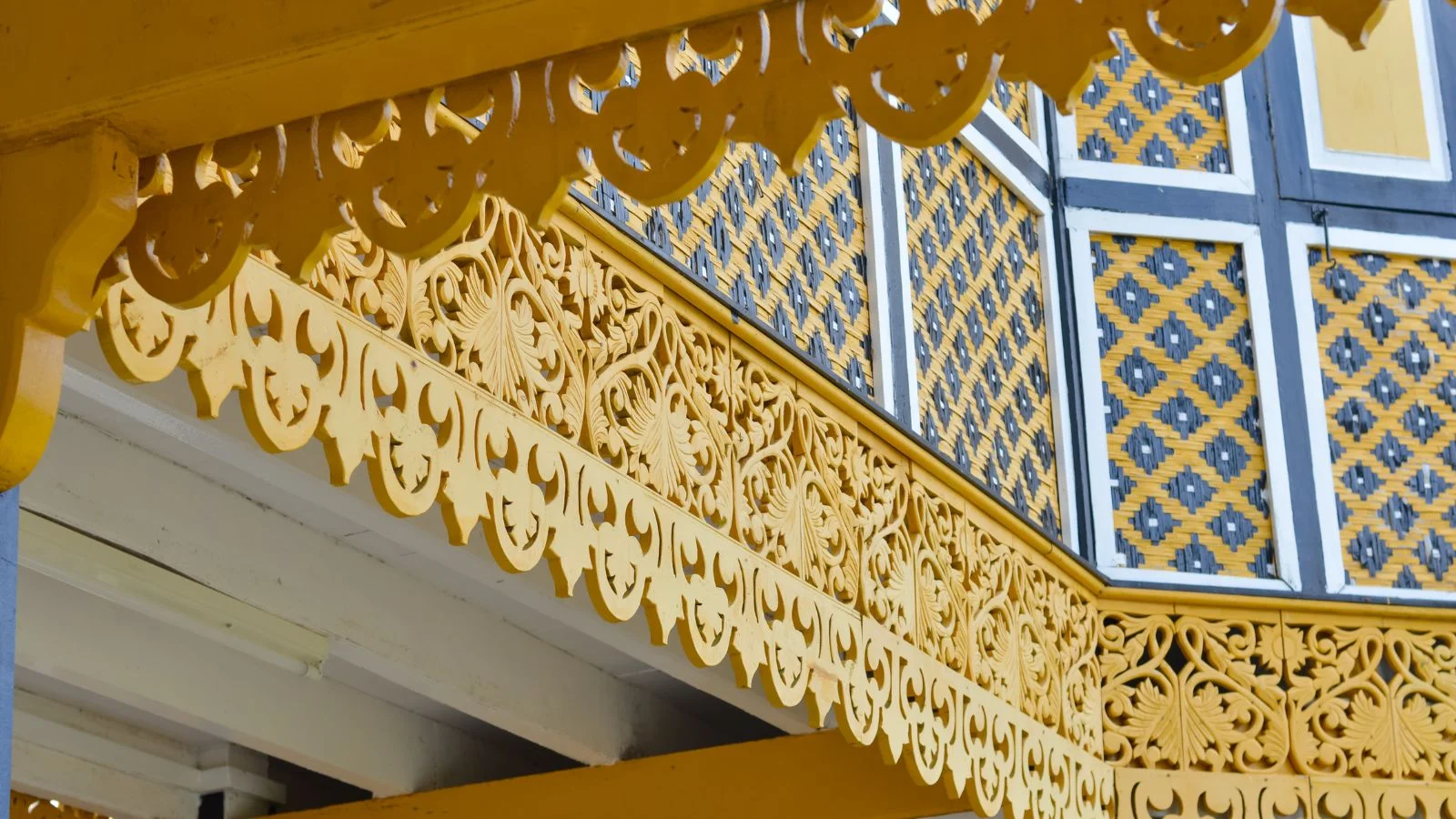
Peranakan-craftsmanship-in-wood-Georgetown
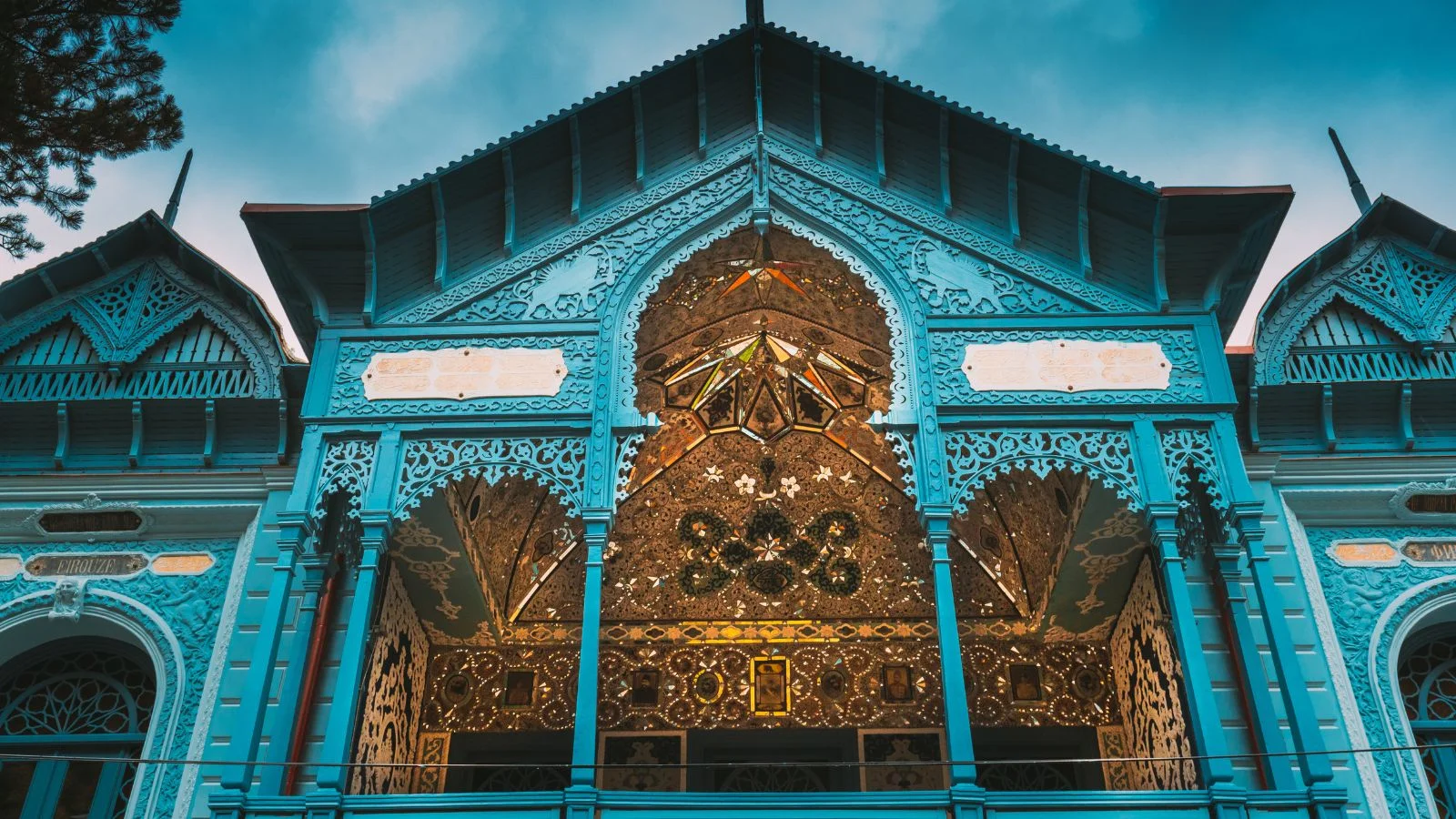
architecture-details-of-Peranakan-house-Georgetown
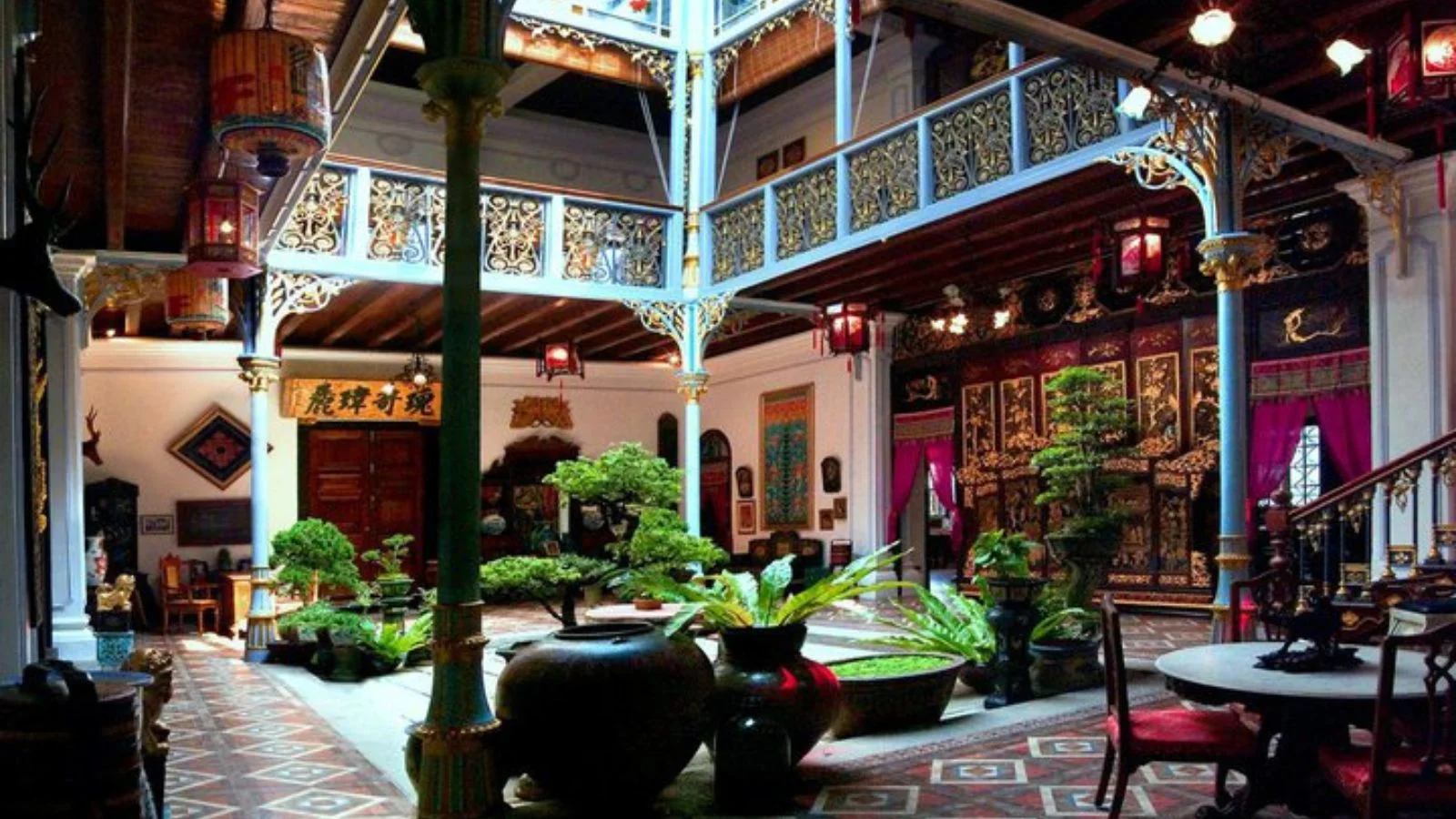
courtyard-at-Peranakan-house-Georgetown
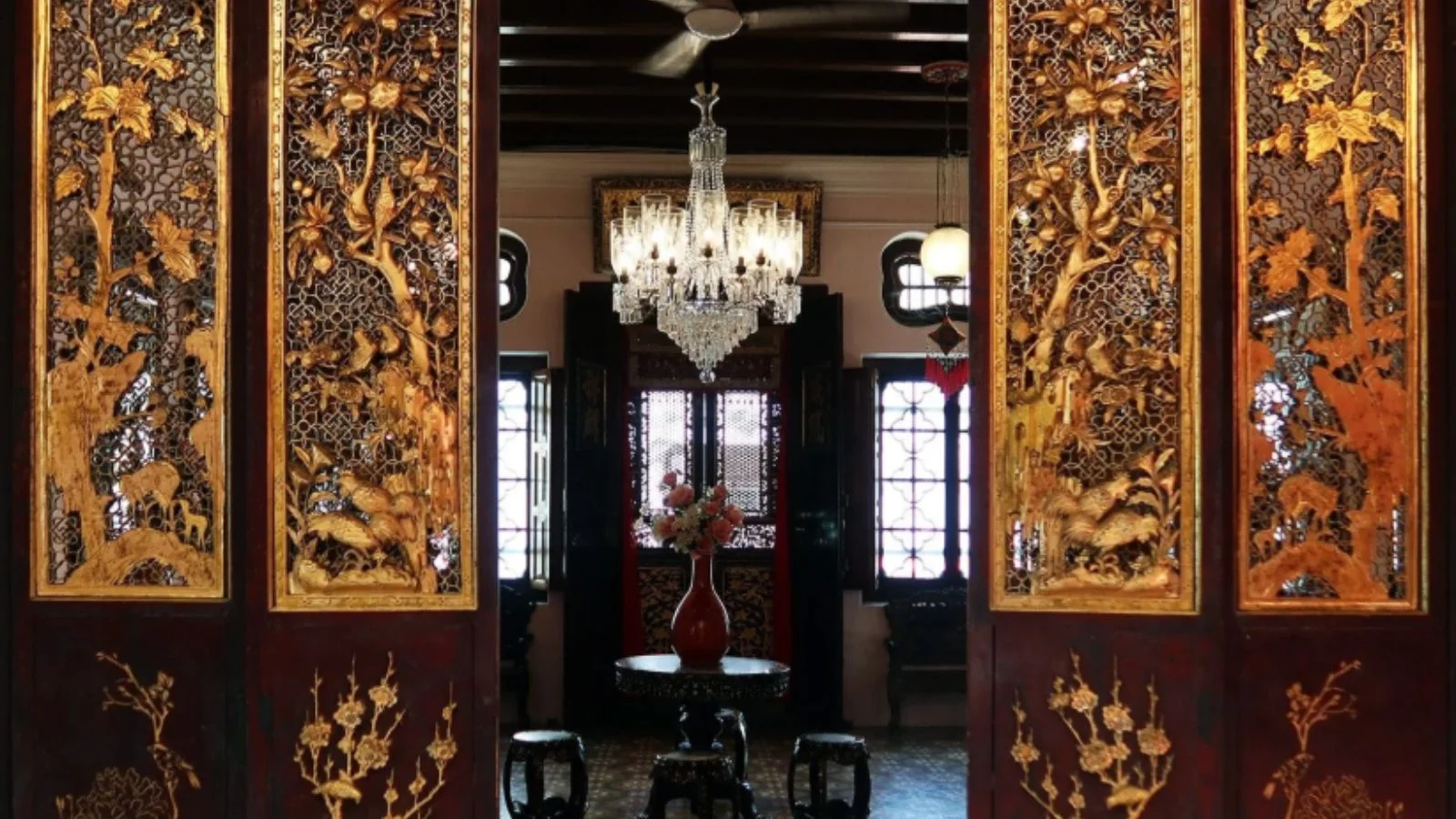
Interior-Peranakan-house-Georgetown
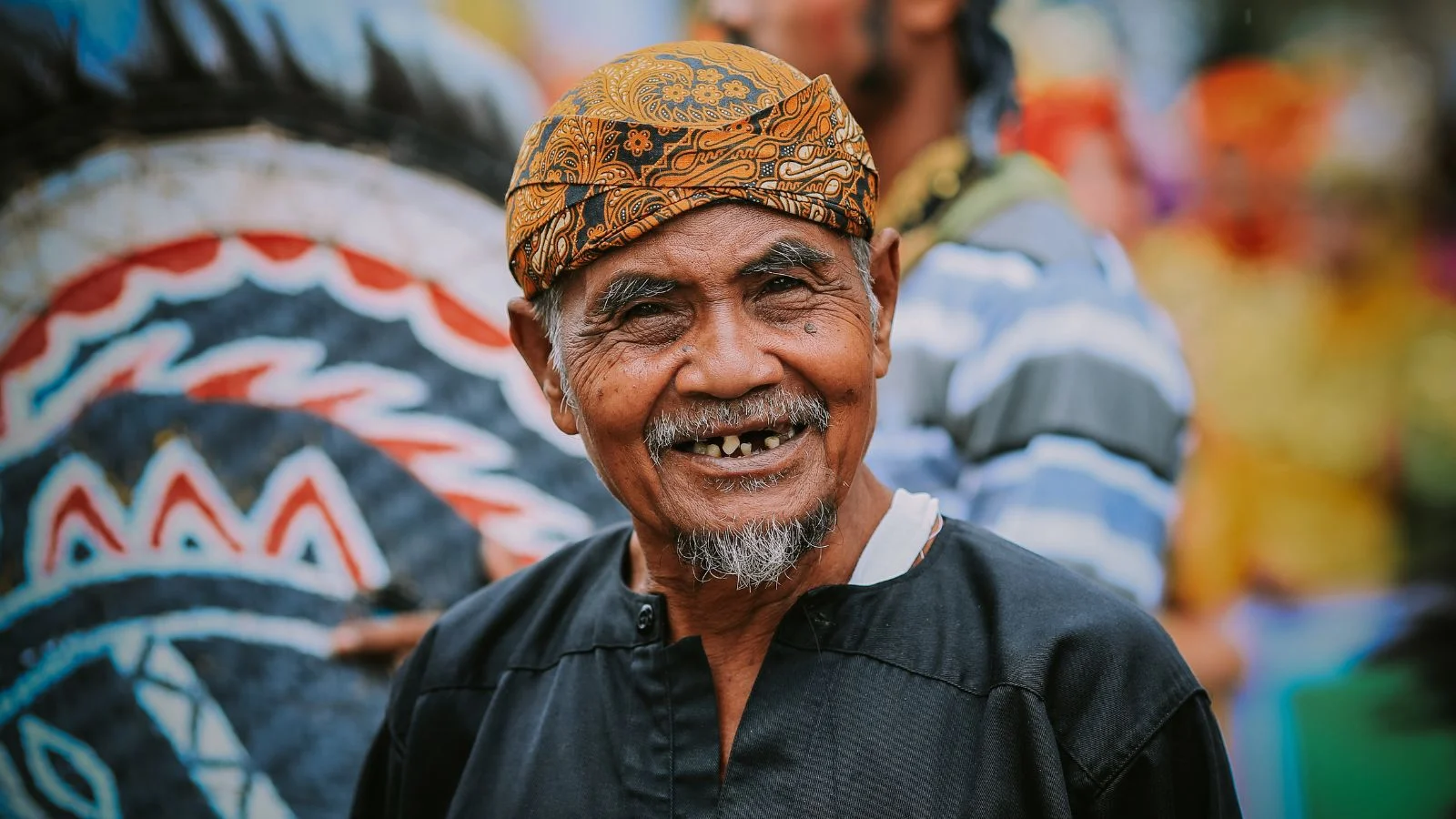
keeper-of-living-tradition-Georgetown