The ferry from Kettering takes about fifteen minutes to cross the D’Entrecasteaux Channel, a short journey that changes more than the distance suggests. Bruny Island begins without an arrival hall or a town waiting at the other side. Cars leave the ferry at Roberts Point and disperse onto an island of long roads, scattered settlements, farmland and coast, with the more remote landscapes of South Bruny still some distance away. Hobart is not particularly far behind, but its density disappears quickly.
That separation is part of what makes Bruny worth spending time on. The island is accessible enough to attract day-trippers, yet its geography works against experiencing it as a sequence of quick stops. Roads continue between farms, bays and forest; some remain unsealed, and reaching the southern end takes time. Food, walking and wildlife are spread across the island rather than concentrated into a center. The result is a destination where the day begins to organize itself around distance, weather and what is actually available rather than around the pressure to keep finding another attraction. This is where slow travel on Bruny begins to feel less like a chosen philosophy and more like the natural consequence of being on the island.
Bruny’s depth is easy to misread if attention stays only on its landscape. The Nuenonne people lived here for thousands of years before European arrival, and Aboriginal sites within what is now South Bruny National Park include middens, quarries and artefact scatters. Later histories accumulated along the same coast: European expeditions entered Adventure Bay, whaling operated from its shores, and Cape Bruny Lighthouse was first lit in 1838. Bruny is not a place without history. What distinguishes the island now is how visibly its contemporary identity continues to be shaped by land and water.
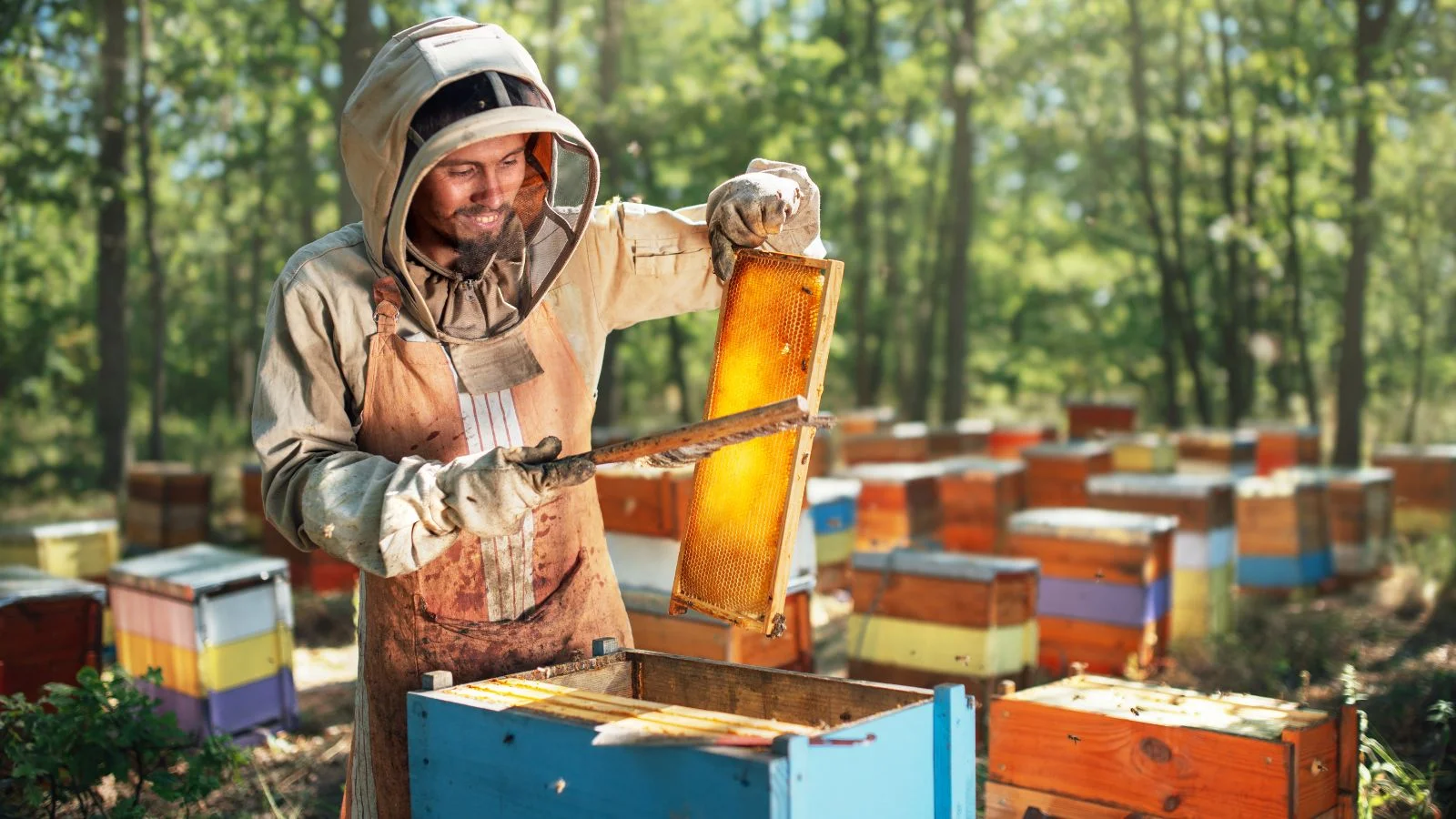
That relationship becomes particularly tangible through food. At Great Bay, Get Shucked grows Pacific oysters in the waters surrounding Bruny, bringing them from the sea to the table within the same small geography. Bruny Island Cheese Co., founded by cheesemaker Nick Haddow in 2003, works with traditional methods and a deliberately small-scale approach to production, with cheeses that respond to milk and season. Honey adds another expression of the same relationship. The family behind Bruny Island Honey has kept hives across southern Tasmania for decades, including hundreds on Bruny itself, moving bees according to flowering conditions and producing honeys whose character changes with their botanical source. These are working producers rather than demonstrations of an imagined rural past. Their presence gives Bruny a contemporary culture of making that can be encountered unusually close to its source.
This is where the island begins to reveal a different kind of richness. An oyster carries the conditions of the surrounding water with it; cheese changes as milk and seasons change; honey records, in another form, what happened to be flowering where the hives were placed. None needs to be monumental to carry meaning. Together they make production part of the experience of place, narrowing the distance between landscape, producer and table.
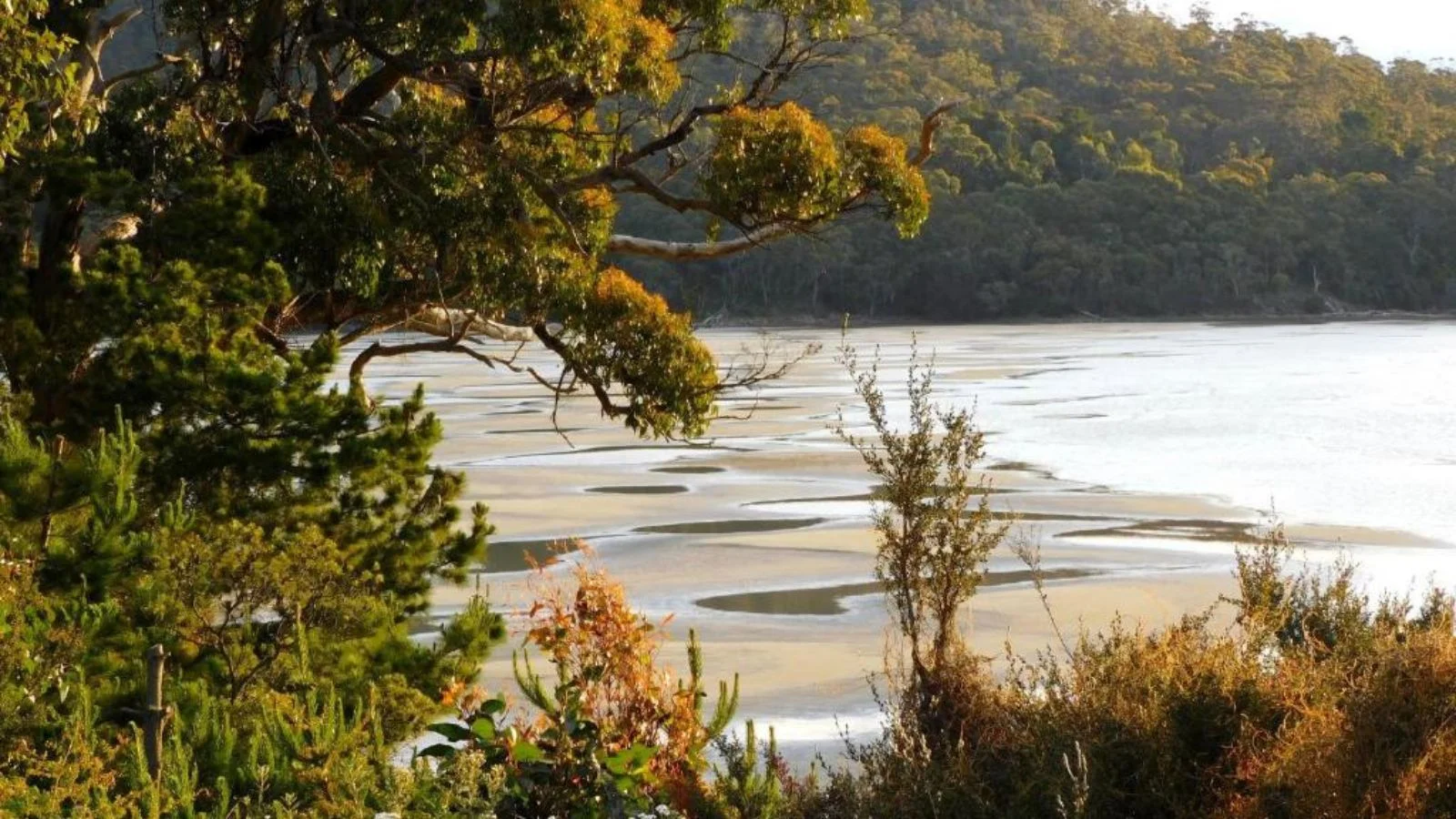
The landscape becomes wilder toward the south. South Bruny National Park stretches across coastline, heathland and eucalypt forest, with tall dolerite cliffs facing the Southern Ocean. Around Adventure Bay, the Grass Point track follows the coast toward remnants of the island’s whaling history, while the steeper Fluted Cape circuit rises above the water. On the other side of South Bruny, the East Cloudy Head walk begins along Cloudy Bay before moving through heathland toward views over the southern coast and The Friars. These are not interchangeable scenic walks; each reveals a different part of an island whose geography keeps changing over a relatively small distance.
Bruny gradually shifts attention away from how much has been covered and toward how closely a smaller number of things have been experienced.
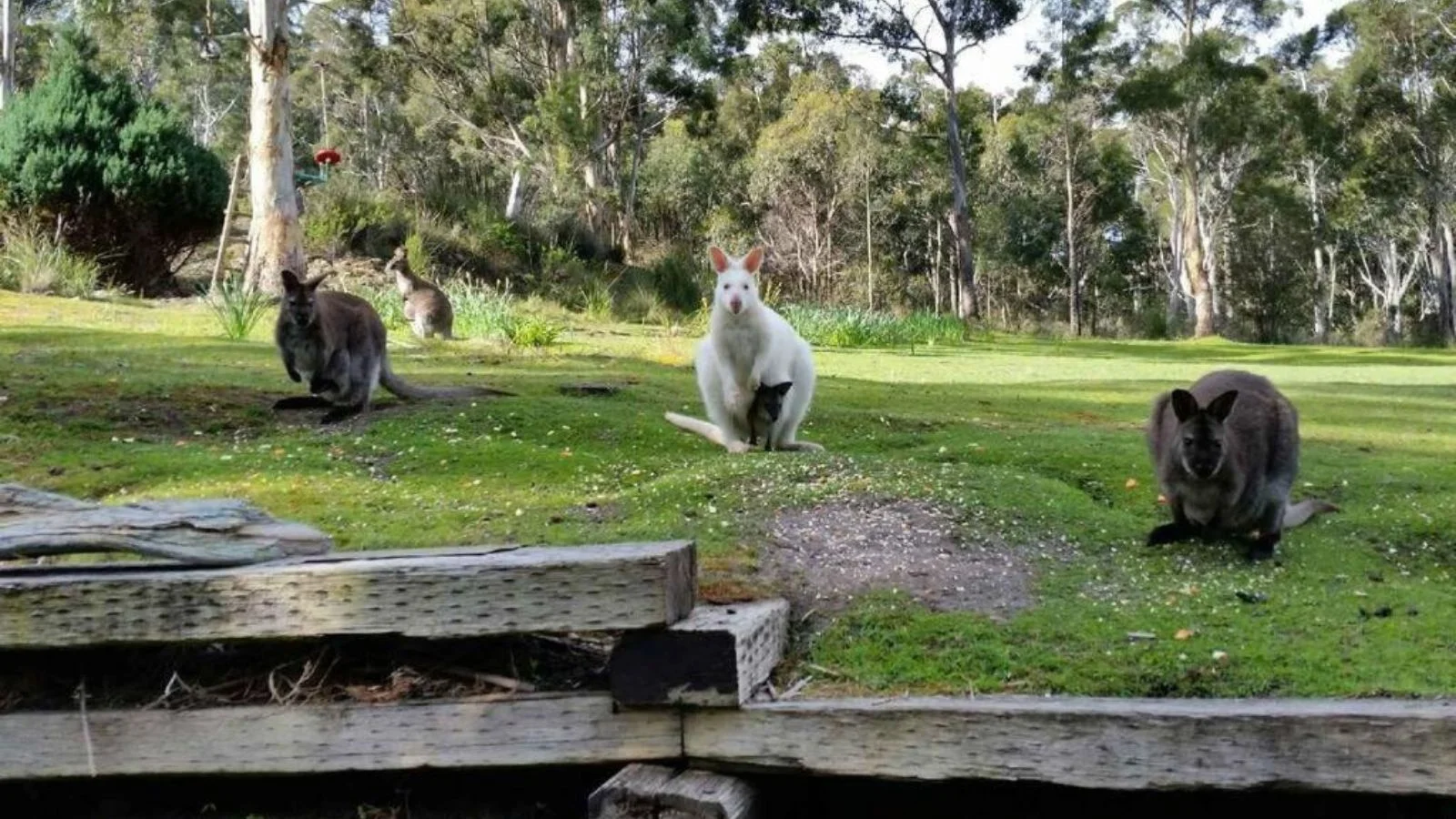
Wildlife belongs to that landscape rather than sitting apart from it as another activity. South Bruny supports pademelons, echidnas, wombats and possums, while the island is particularly important for birdlife. White wallabies can appear around the Fluted Cape area at dusk, and migration season can bring southern right and humpback whales into waters visible from sections of the coast. None of these encounters works particularly well as a promise. Their value comes from the opposite condition: enough time in the landscape for something unscheduled to happen.
This begins to change the texture of a day. A producer visit does not necessarily need another attraction attached to it. A coastal walk can occupy the afternoon. Groceries brought back to a cottage can replace the expectation of finding dinner somewhere new every evening. Darkness arrives without requiring another plan, and wildlife is more likely to become part of the stay when there is nowhere urgent to be next. Bruny gradually shifts attention away from how much has been covered and toward how closely a smaller number of things have been experienced.
Its limitations are part of that equation. Bruny is considerably easier with a car, distances are deceptive on an island of narrow and sometimes unsealed roads, and services thin out away from the main settlements. This is not resort-style remoteness, where isolation is carefully engineered while every convenience remains available behind the scenes. Bruny retains some of the practical friction of an island where people actually live and work.
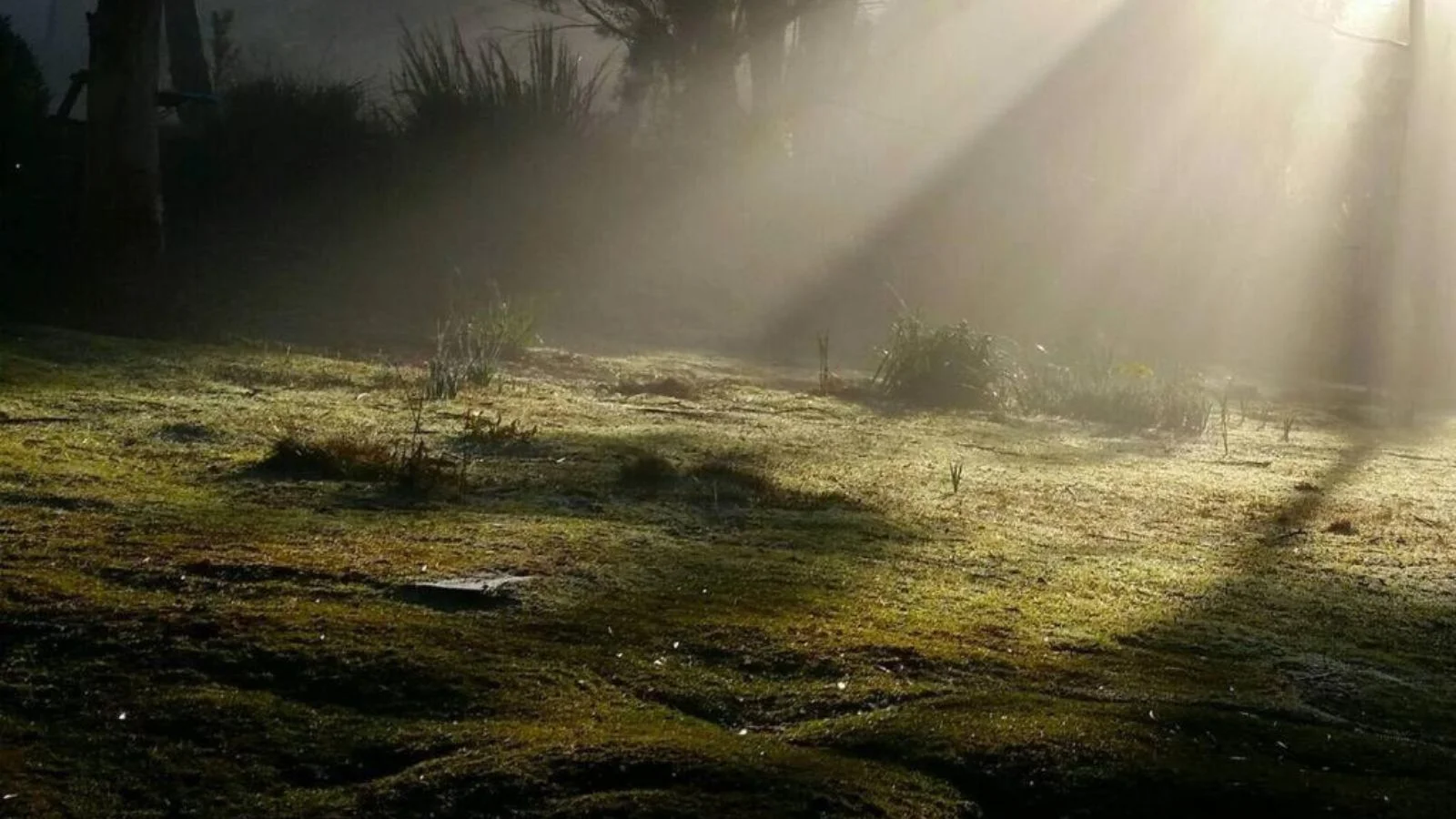
That friction also separates staying from simply visiting. A day trip can produce an impressive version of Bruny: the ferry, The Neck, oysters, a viewpoint, perhaps a walk, then the return to Hobart. What it struggles to reveal is the space between those things. Staying allows weather to change a plan without ruining the day, makes another stretch of coast possible without turning it into a checkpoint, and leaves room for dusk and early morning — hours when the island is no longer organized around ferry traffic and day visitors.
Bruny does not need to be presented as untouched to make that argument. Producers actively welcome visitors, its food reputation is well established, and its landscapes are hardly unknown. The more interesting question is whether tourism still allows the underlying systems of the island to remain visible: farms producing rather than performing, wildlife occupying its own habitat, roads connecting communities rather than attractions, and large parts of a day that do not need to be commercially filled.
For travelers who require extensive dining choice, dense sightseeing or effortless movement, that can feel unnecessarily restrictive. Bruny makes more sense when landscape, food and the intervals between them are enough to carry a day. There is no useful number of days that determines when the island has been properly experienced. Completion arrives when its distances stop feeling like obstacles, the road itself becomes familiar, and another quiet evening no longer feels like time that should have been filled.
Bruny Island’s richness is not an alternative to history; history is already embedded in its land and coast. What distinguishes the experience is that meaning remains unusually close to the things sustaining life there now — water producing oysters, seasons shaping food, bees following flowering landscapes, people continuing to make things at a small scale, and protected landscapes still determining how much of the island can be occupied at all. Time on Bruny does not need to produce a long list. It needs enough room for those relationships to become visible.
beach-bruny-island-tasmania
Bruny-Island-Honey-production-facility
forest-in-bruny-island
kangeroos-in-bruny-island
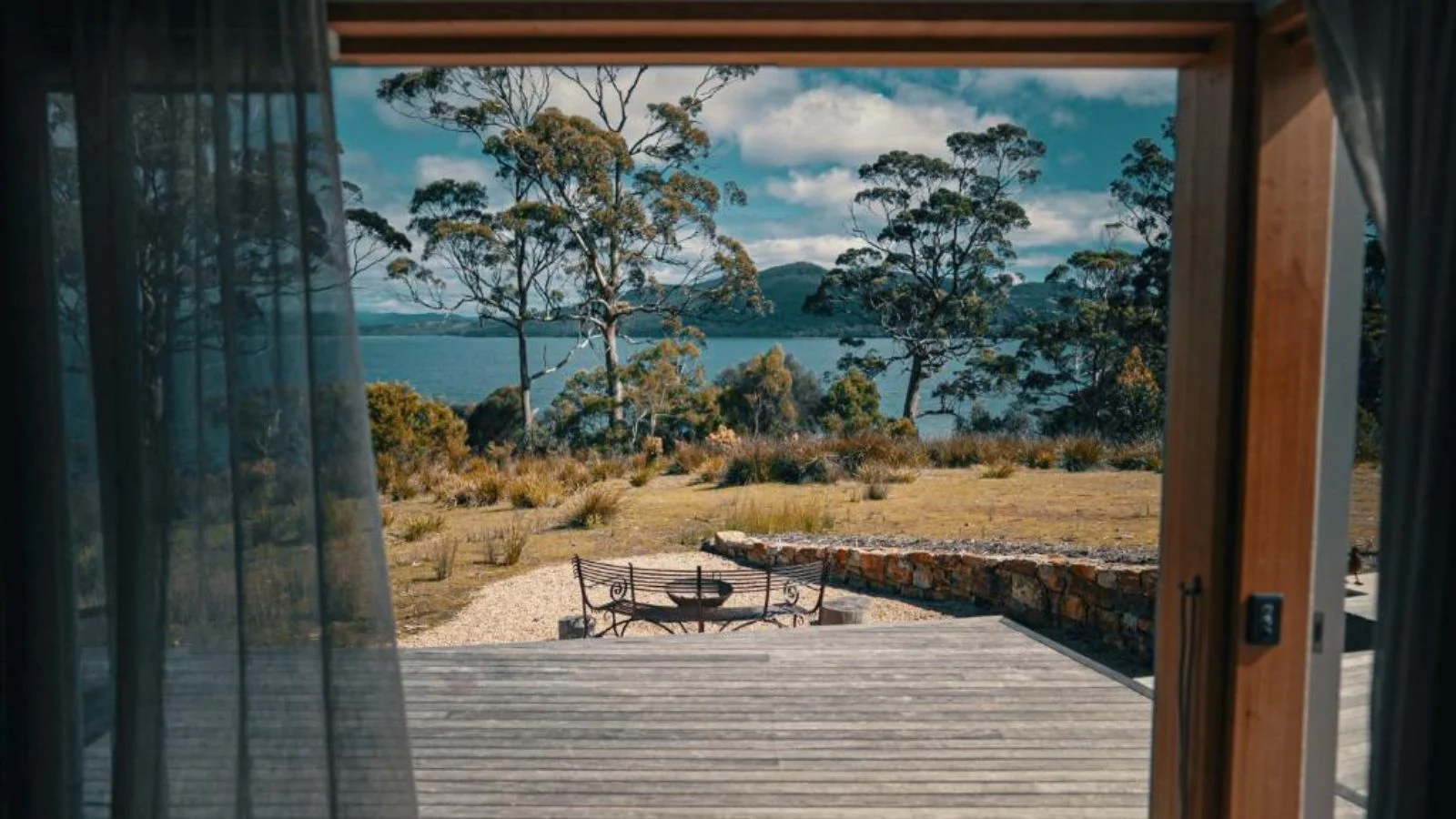
sea-view-from-a-window-bruny-island-australia
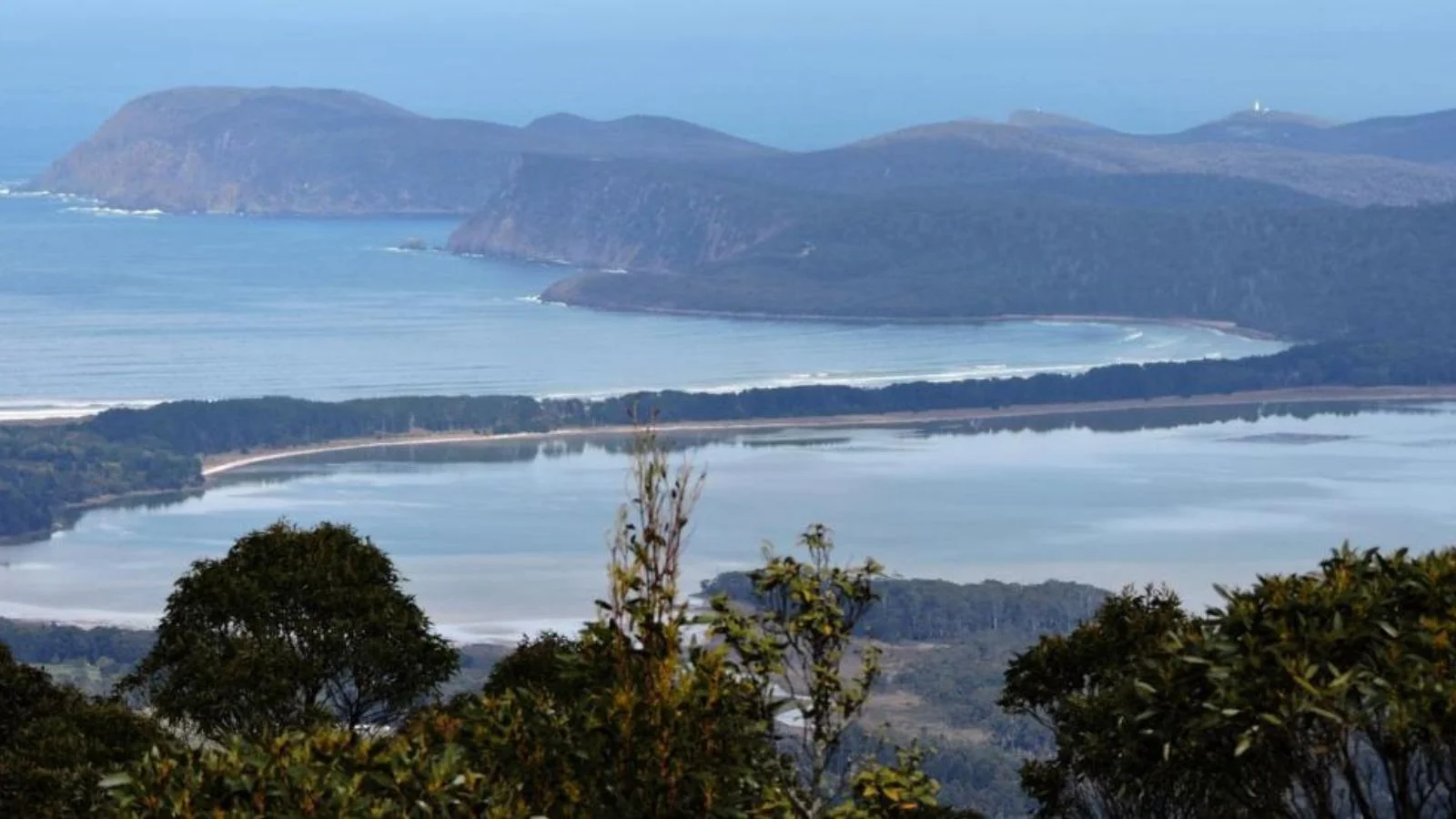
the-neck-bruny-island-tasmania
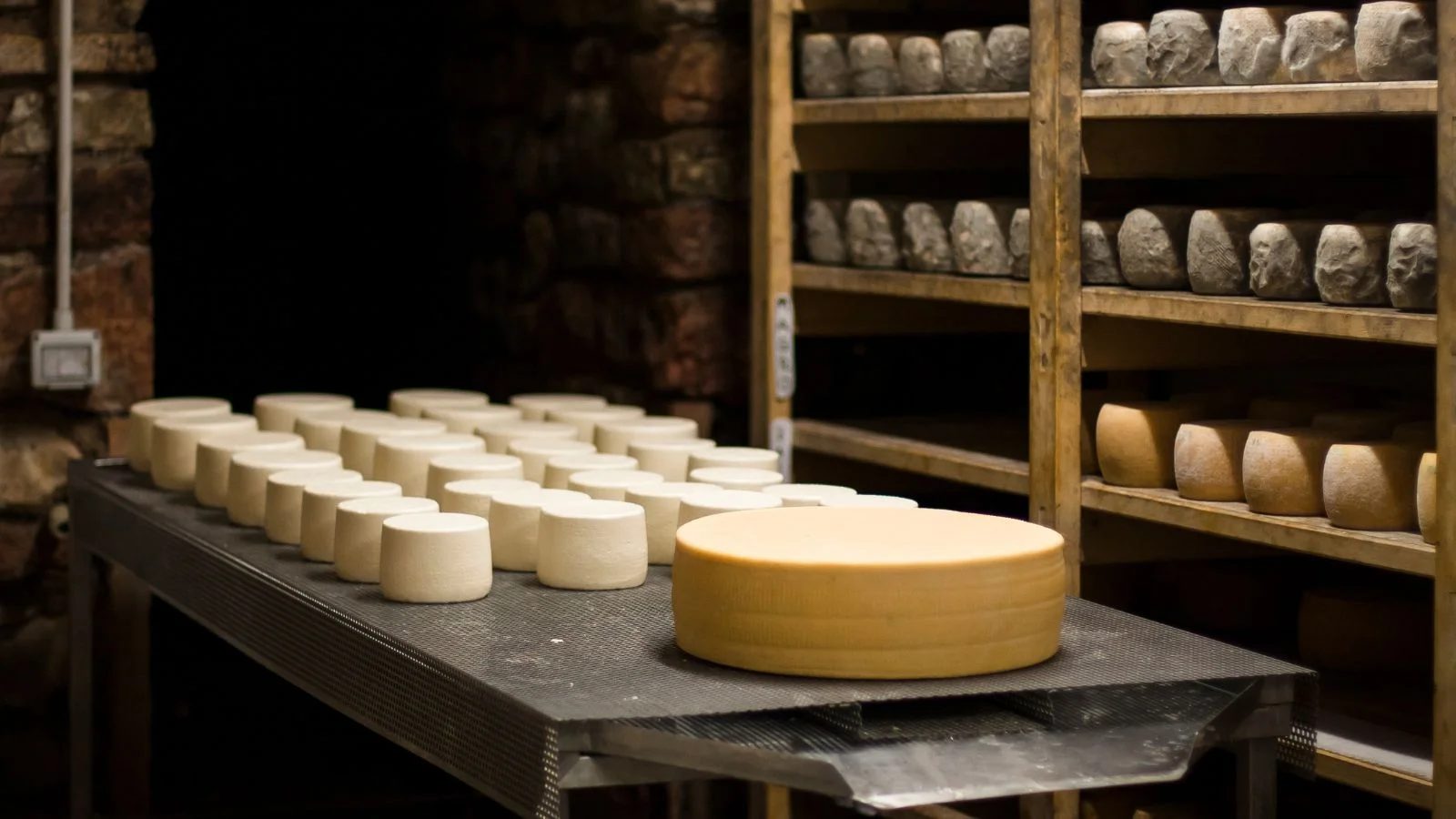
cheese-production-bruny-island-australia