


Many travelers arrive in Georgetown expecting a historic district. What they often encounter instead is a different relationship with time. Modern cities increasingly compress daily life into schedules, notifications, and movement between destinations. Georgetown operates at a different pace. Not because life here is slow in the traditional sense, but because the city still leaves room for interruption.
A morning coffee becomes a conversation. A short walk becomes an hour spent observing shopkeepers preparing for the day. The distance between intention and experience remains unusually open. Early mornings reveal this most clearly.
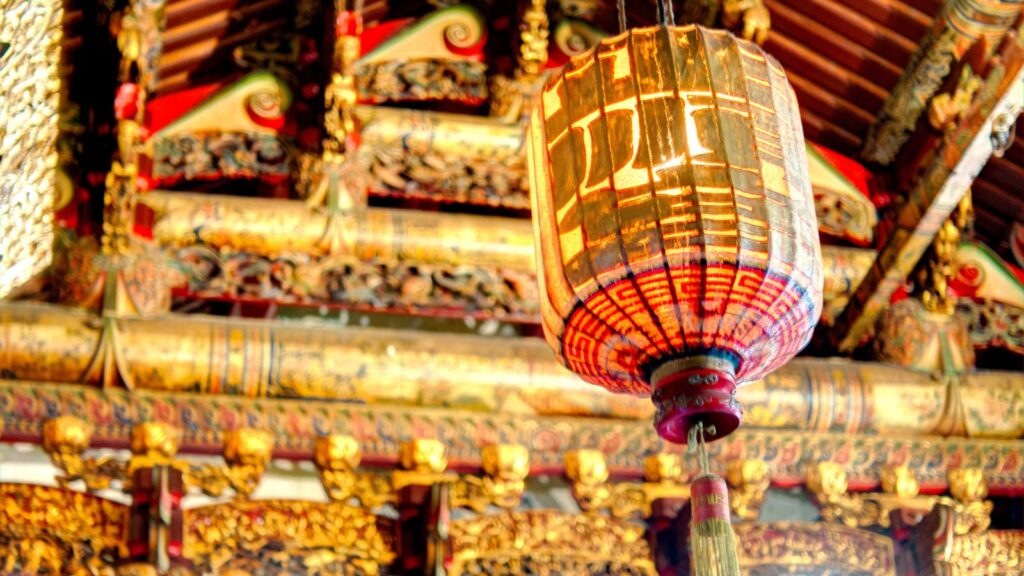
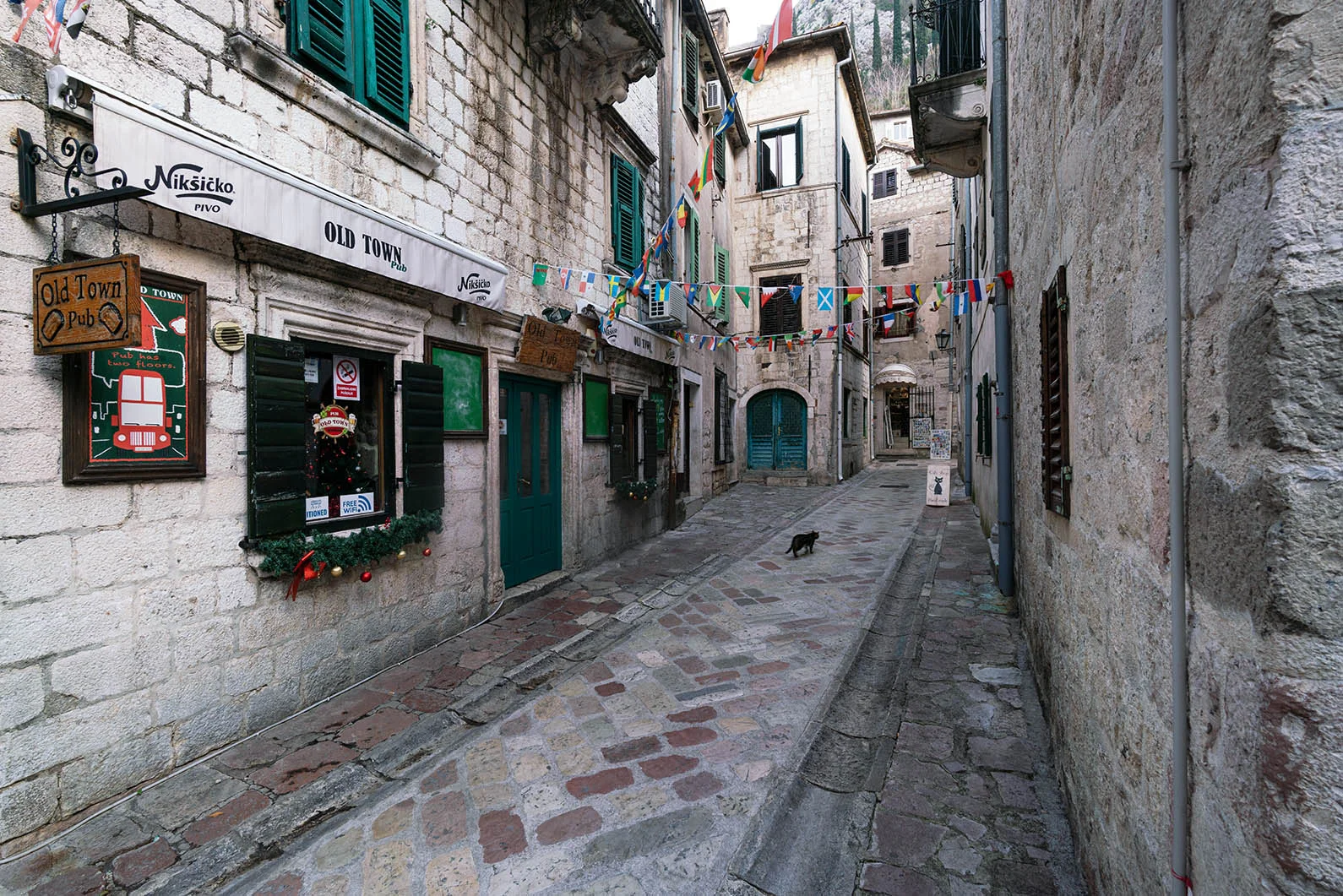
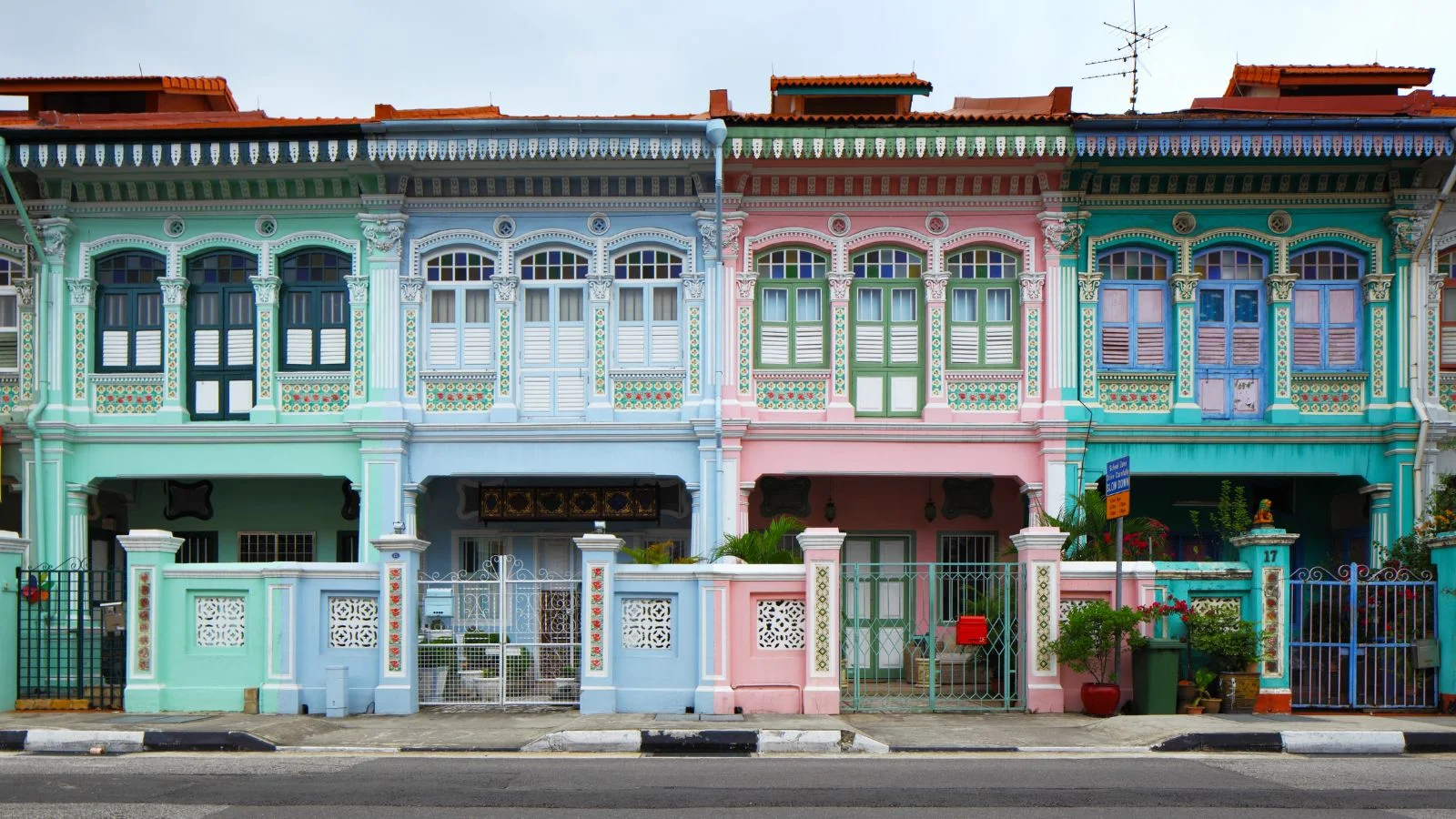
Before the afternoon heat settles over the streets, shutters begin to open along roads lined with century-old shophouses. Scooters pass between buildings painted in fading blues, greens, and ochres. Incense drifts from temple entrances. Breakfast stalls fill gradually rather than all at once. The city wakes in layers.
Georgetown matters today because it preserves something many destinations have gradually lost: a functioning urban rhythm shaped by daily life rather than tourism alone.
Its UNESCO recognition often draws attention to architecture, but the buildings are only part of the story. The deeper character of Georgetown comes from the communities that continue to inhabit those spaces. Chinese clan houses, Indian temples, Malay traditions, Peranakan heritage, and colonial influences exist not as museum exhibits but as living systems that still shape everyday behavior.
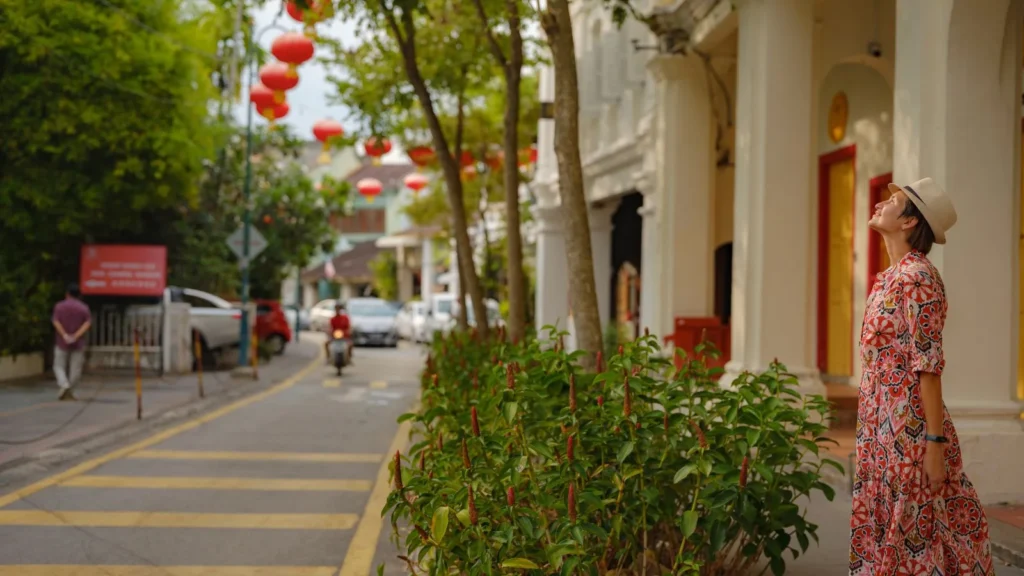
Walking remains the best way to understand this. Distances are manageable, but more importantly, the city rewards unstructured movement. A route planned around landmarks frequently changes after passing a coffee shop, hearing music from an open doorway, or noticing a workshop where traditional crafts continue much as they have for decades.
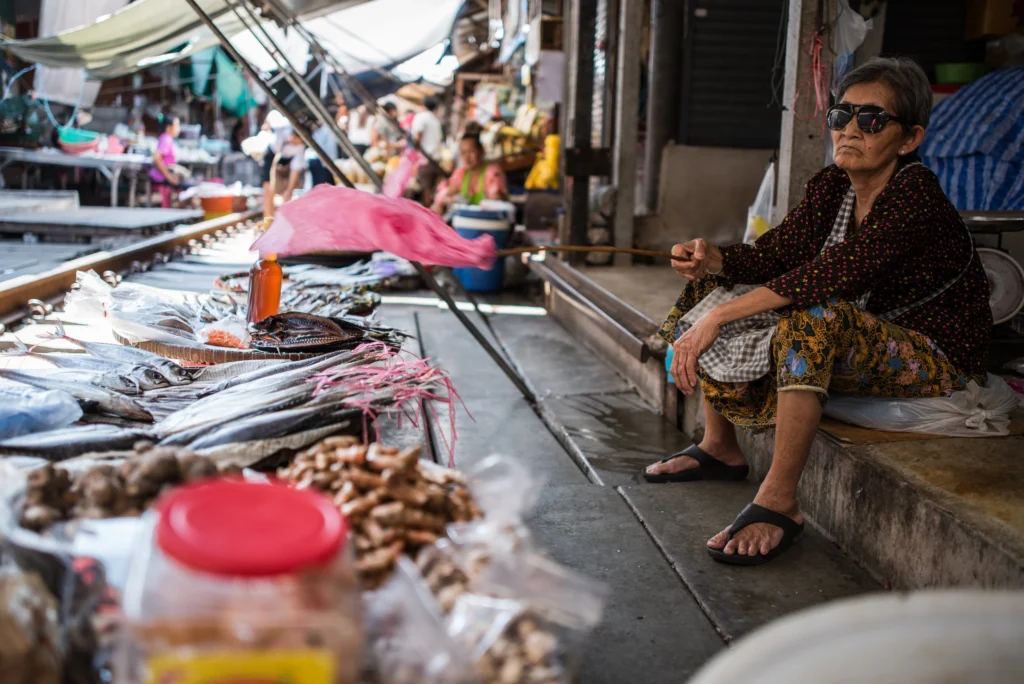
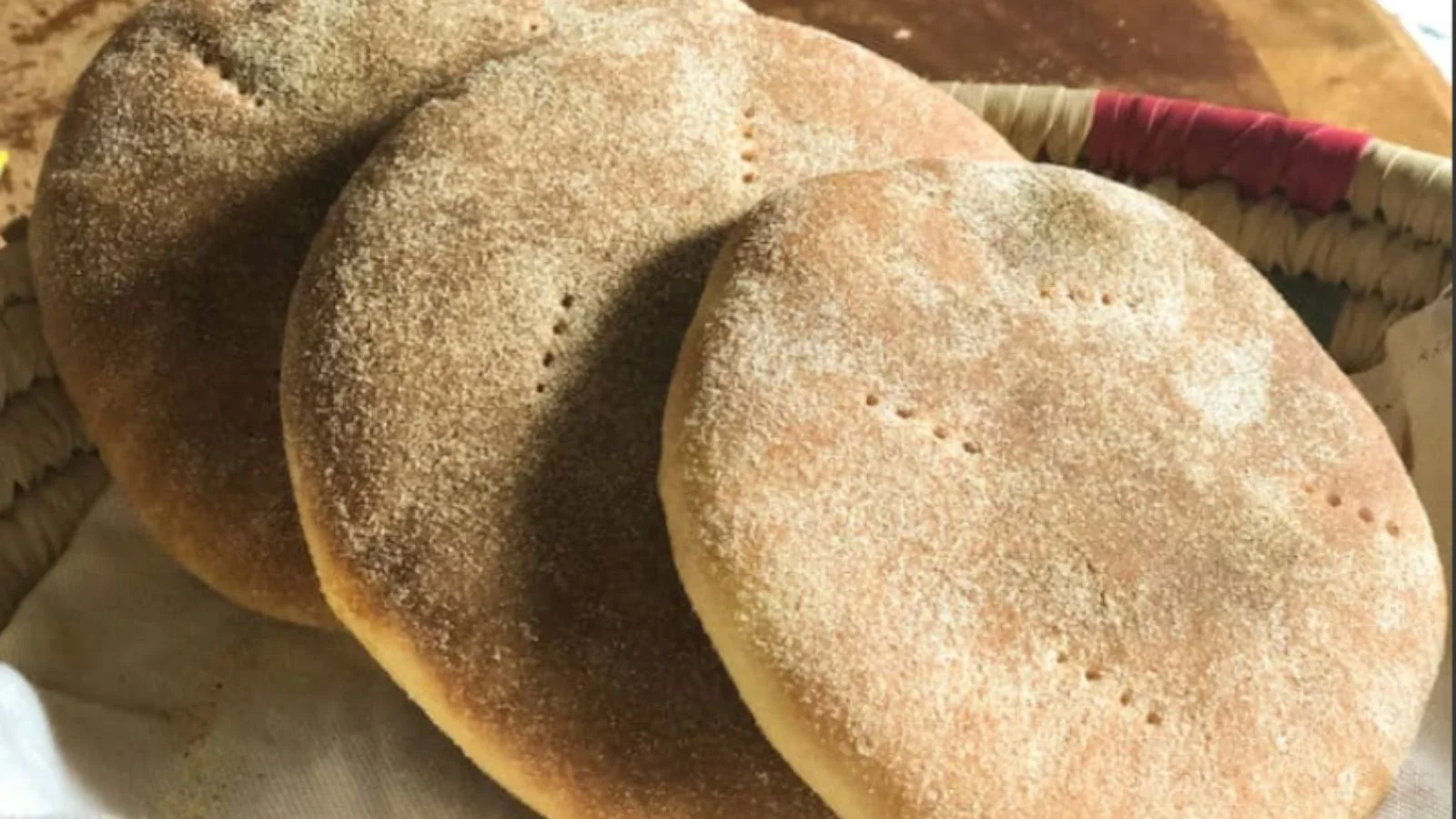
Food plays a similar role. Georgetown’s reputation as one of Southeast Asia’s great culinary cities is well deserved, but the experience is less about collecting famous dishes and more about participating in routines that residents follow themselves. Morning markets, hawker centers, neighborhood cafés, and family-run eateries create a rhythm that naturally structures the day.
What changes for many visitors is not necessarily their schedule but their attention. Georgetown encourages observation. Architectural details become more noticeable. Conversations last longer. Meals become destinations in themselves rather than pauses between activities.
This shift happens because the city remains fundamentally human-scaled. Streets are walkable. Public life is visible. Small businesses outnumber large chains in many districts. Daily routines unfold in front of visitors rather than behind closed doors.
Seasonality matters. Georgetown is warm year-round, with higher humidity than many travelers expect. Morning and evening are often the most comfortable times to explore on foot. Major festivals such as Chinese New Year, Thaipusam, and other cultural celebrations dramatically alter the atmosphere, bringing both energy and larger crowds.
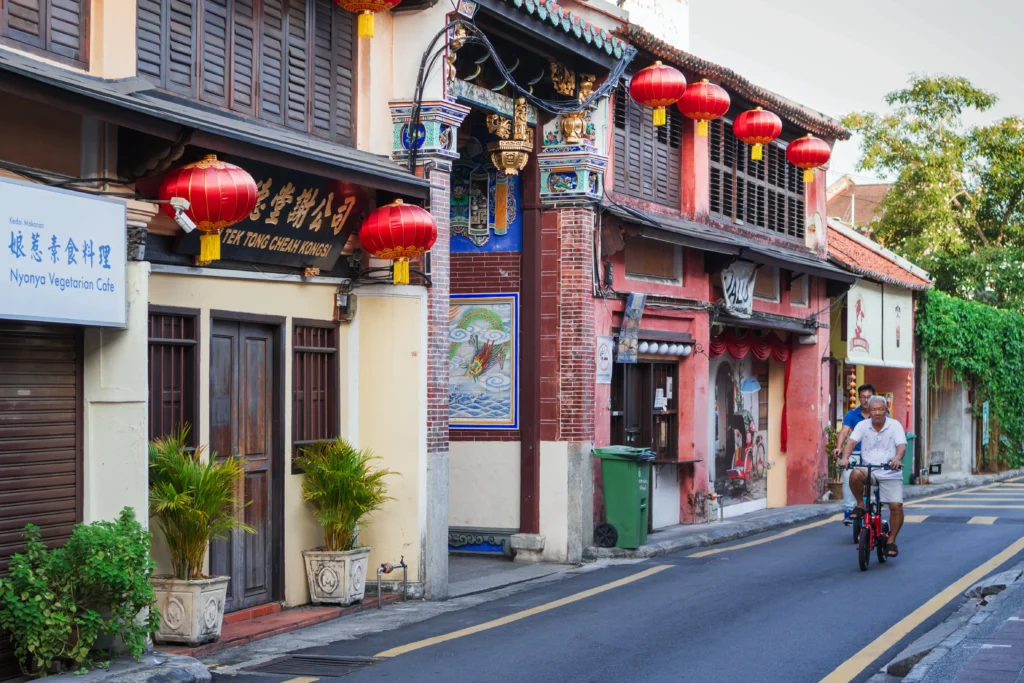
Not everyone will connect with Georgetown in the same way. Travelers seeking dramatic scenery, luxury resort environments, or highly curated experiences may find its appeal understated. The city reveals itself gradually through repetition rather than spectacle.
Its quiet luxury lies elsewhere: in continuity. In the fact that old businesses still open their doors each morning. In streets designed for walking rather than rushing. In communities that continue to shape the city from within rather than perform it for visitors.
Georgetown is not a destination defined by individual attractions. It is a destination defined by inhabitation. What remains memorable is rarely a single site, but the experience of moving through a city where everyday life still provides the main narrative.