São Miguel has a problem that many destinations would gladly accept. The island is so visually generous that it becomes surprisingly difficult to experience at its natural pace. Before most visitors have unpacked their bags, a mental itinerary is already forming. Sete Cidades before the clouds arrive. Furnas before lunch. Lagoa do Fogo before the tour buses. Hot springs at sunset. The Atlantic viewpoints somewhere in between. Even travellers who arrive hoping to slow down often find themselves moving through the island with unexpected urgency, as though beauty must be collected before it disappears.
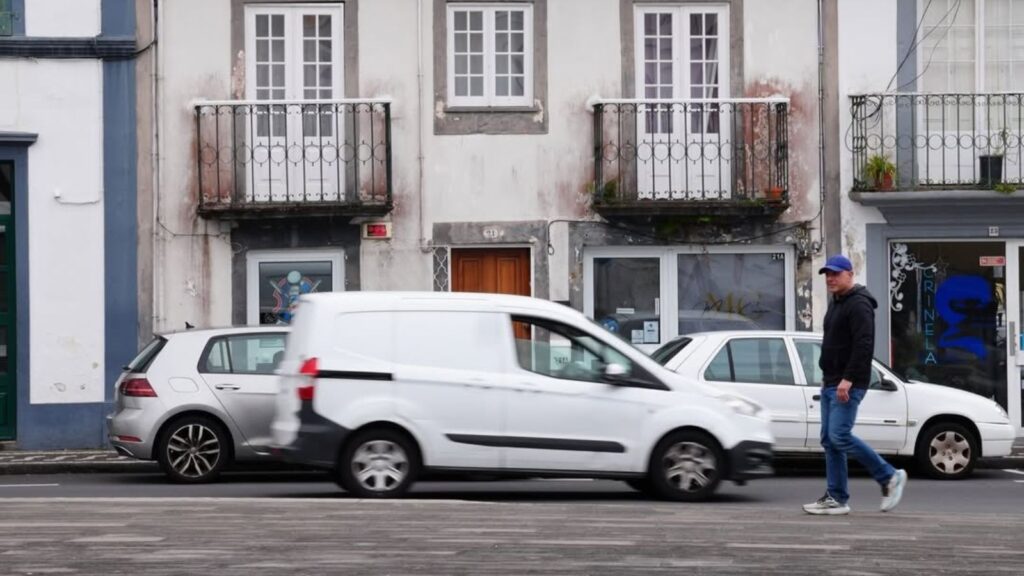
What makes Nine Dots Azorean Art Boutique Hotel interesting is that it quietly interrupts that instinct. Located along Rua dos Mercadores in the historic centre of Ponta Delgada, the hotel does not separate itself from the city around it. Arrival begins long before reaching reception. The pedestrian street outside moves at a different rhythm from the island’s famous viewpoints. Café tables spill onto the pavement. Shop doors open slowly in the morning. Residents cross the historic centre on foot carrying groceries or stopping for conversation. The harbour remains only a short walk away, close enough for the Atlantic to remain part of daily life. By the time guests pass through the entrance, there is already a sense that the experience will be shaped as much by the city as by the hotel itself.
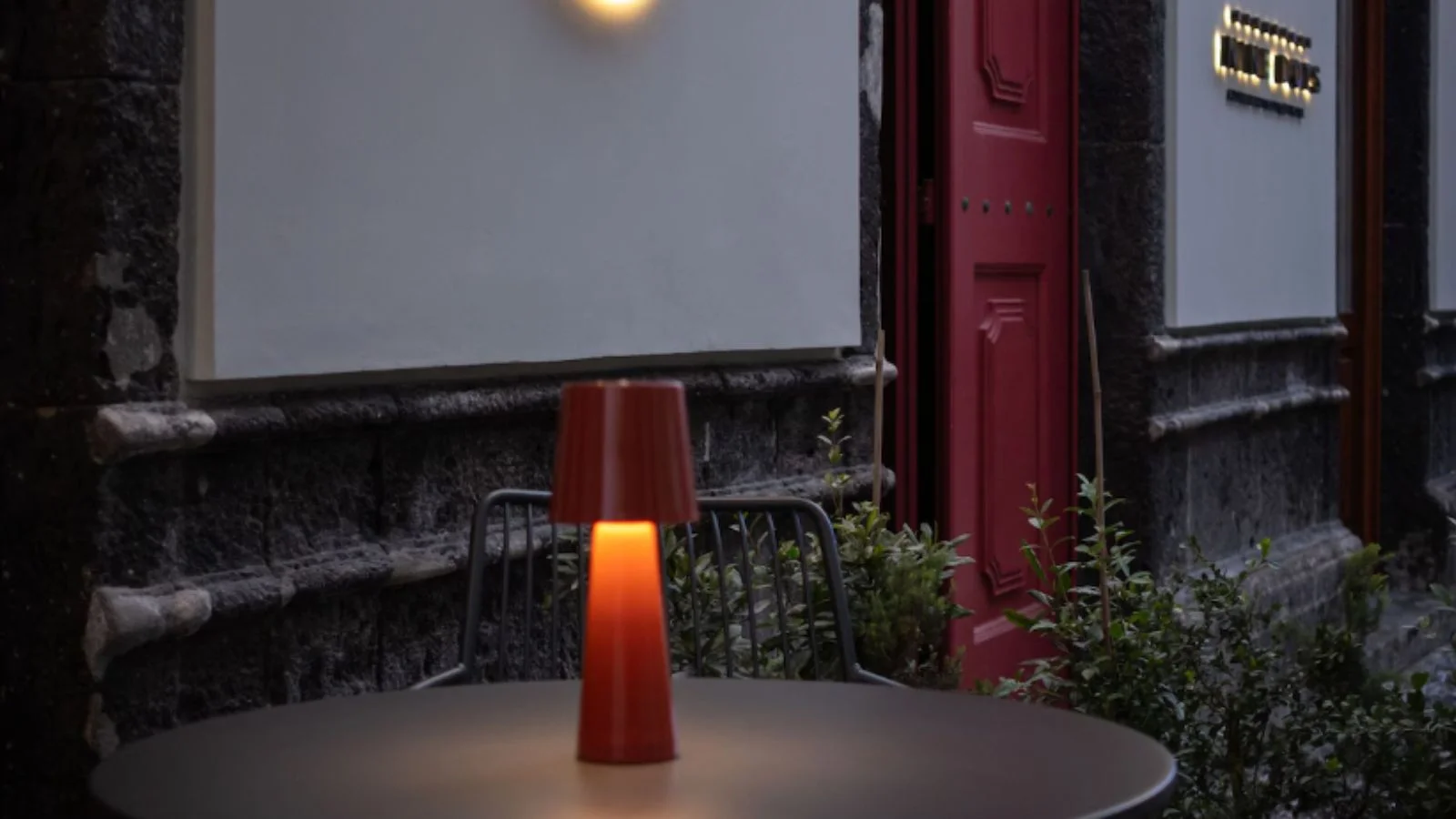
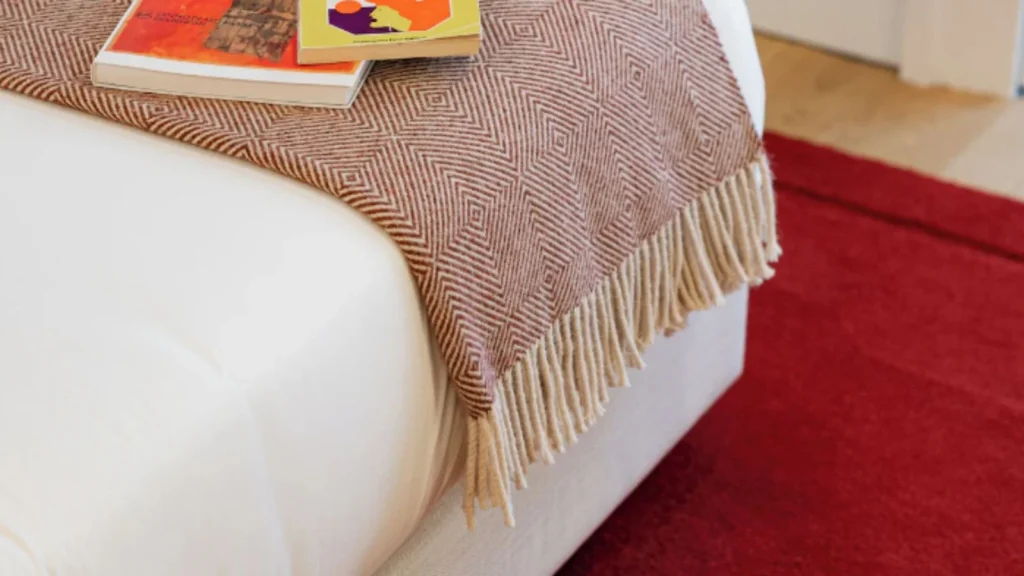
Inside, the atmosphere changes without becoming theatrical. The noise of the street softens. Light settles differently across stone and plaster surfaces. Basalt, the volcanic material that defines the visual identity of the Azores, appears throughout the property not as decoration but as something more structural, a reminder that every building on the island exists because of the landscape beneath it. The interiors feel intimate rather than grand, composed around textures, artwork, and carefully considered proportions rather than visual spectacle. It is the kind of place where attention is drawn gradually from one detail to another rather than directed toward a single dramatic focal point.
That approach reflects the philosophy behind the hotel itself. Nine Dots draws inspiration from pointillism, the artistic idea that larger meaning emerges through the accumulation of smaller elements. Throughout the property, works by Azorean artists appear in hallways, shared spaces, and quiet corners, creating the impression that the hotel is participating in the cultural life of the islands rather than simply displaying it. Many boutique hotels speak about local identity. Fewer succeed in making that identity feel present throughout the experience. Here, the relationship between art, architecture, and place feels natural enough that guests may not immediately notice it. Only after several days does the pattern become clearer. The hotel begins to feel less like accommodation and more like a continuation of the island’s creative and cultural landscape.
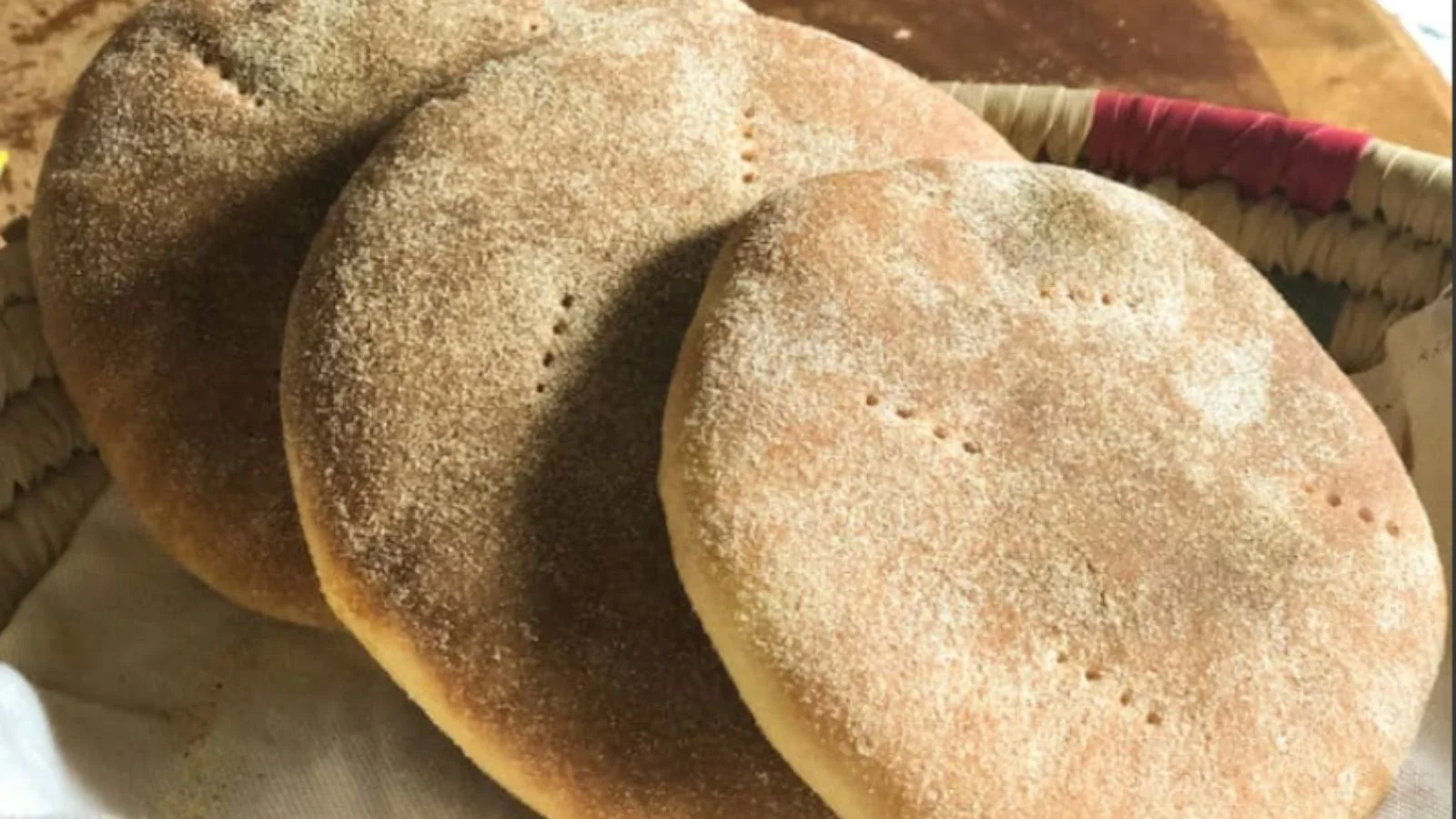
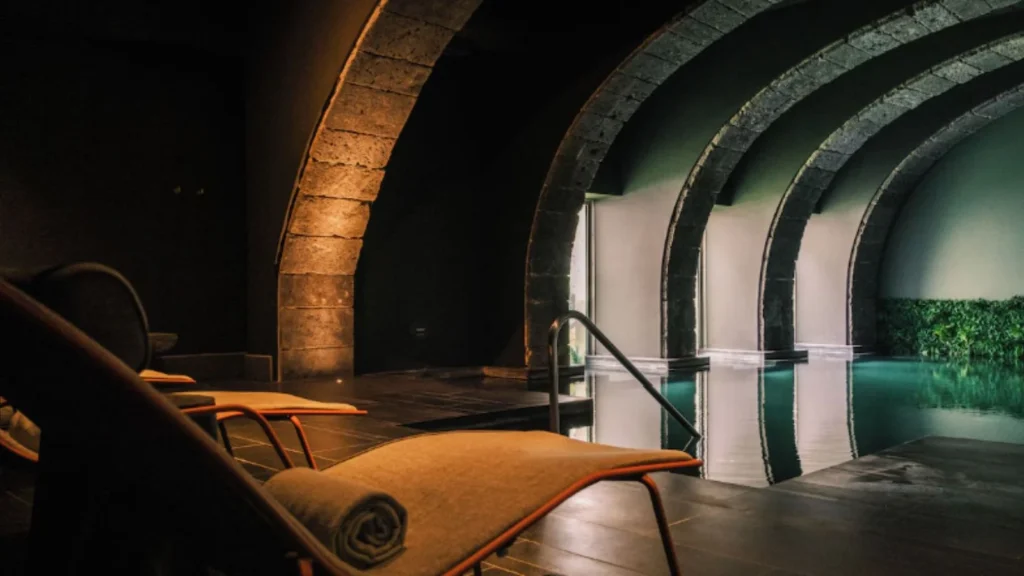
The physical environment reinforces that relationship. Beneath volcanic arches, the indoor saltwater pool carries the same geological character visible throughout São Miguel. The spa draws on local scents and ingredients that feel connected to the Atlantic environment surrounding the islands rather than imported from elsewhere. Even breakfast follows the same logic. Local cheeses, regional honey, pastries rooted in Azorean traditions, and ingredients sourced from the islands themselves create a meal that feels connected to place rather than detached from it. Nothing appears designed to impress through excess. Instead, the experience builds through specificity, through the quiet accumulation of details that could only belong here.
Equally important is the culture of hospitality that shapes the stay. What stands out is not performative friendliness or highly choreographed service, but a consistent sense that the people running the hotel genuinely understand the island they are introducing guests to. Recommendations are offered with thoughtfulness rather than urgency. Conversations tend to focus on places worth experiencing rather than places that simply appear on every itinerary. The atmosphere encourages curiosity without creating pressure. Guests are guided, but never managed. The distinction may seem small, yet it influences the rhythm of the entire stay.
As the days pass, the hotel’s influence becomes visible in subtle ways. Breakfast stretches longer than originally planned. A walk through Ponta Delgada becomes an afternoon rather than an errand between excursions. The market visit that was meant to take twenty minutes quietly absorbs two hours. Another coffee appears. Another circuit around the marina follows. Gradually, the island stops feeling like a destination that must be completed and begins feeling like a place that can simply be inhabited for a while. The hotel does not create this shift alone, but it consistently supports it.
This relationship between hotel and destination is particularly important on São Miguel because islands create a unique psychological tension. Their boundaries are visible. Their landscapes appear finite. Visitors often arrive feeling they must experience everything before departure. Nine Dots offers a different interpretation of island travel. Rather than encouraging guests to consume more of the destination, it creates the conditions for deeper attention. The city outside becomes more interesting. The pauses between activities become more meaningful. The island reveals itself less through movement and more through observation.
For travellers seeking large resorts, extensive entertainment programmes, or highly structured luxury experiences, Nine Dots may feel intentionally restrained. Its strengths lie elsewhere. This is a hotel for travellers who enjoy atmosphere, culture, independent exploration, and destinations with strong local identity. It is particularly well suited to those who believe that understanding a place often matters more than covering it.
As São Miguel continues to attract greater international attention, hotels increasingly face a choice. They can position themselves as gateways to more activity, more excursions, and more experiences, or they can help guests develop a richer relationship with the destination itself. Nine Dots belongs firmly to the second category. The art, the architecture, the hospitality culture, and the connection to everyday life in Ponta Delgada all point in the same direction. Not toward seeing more of the island, but toward seeing it differently.
For travellers drawn to the Azores because of their landscapes, Nine Dots provides something equally valuable: a way of experiencing those landscapes without rushing through them. In a destination celebrated for its natural beauty, that may be one of the most meaningful forms of hospitality the island can offer.