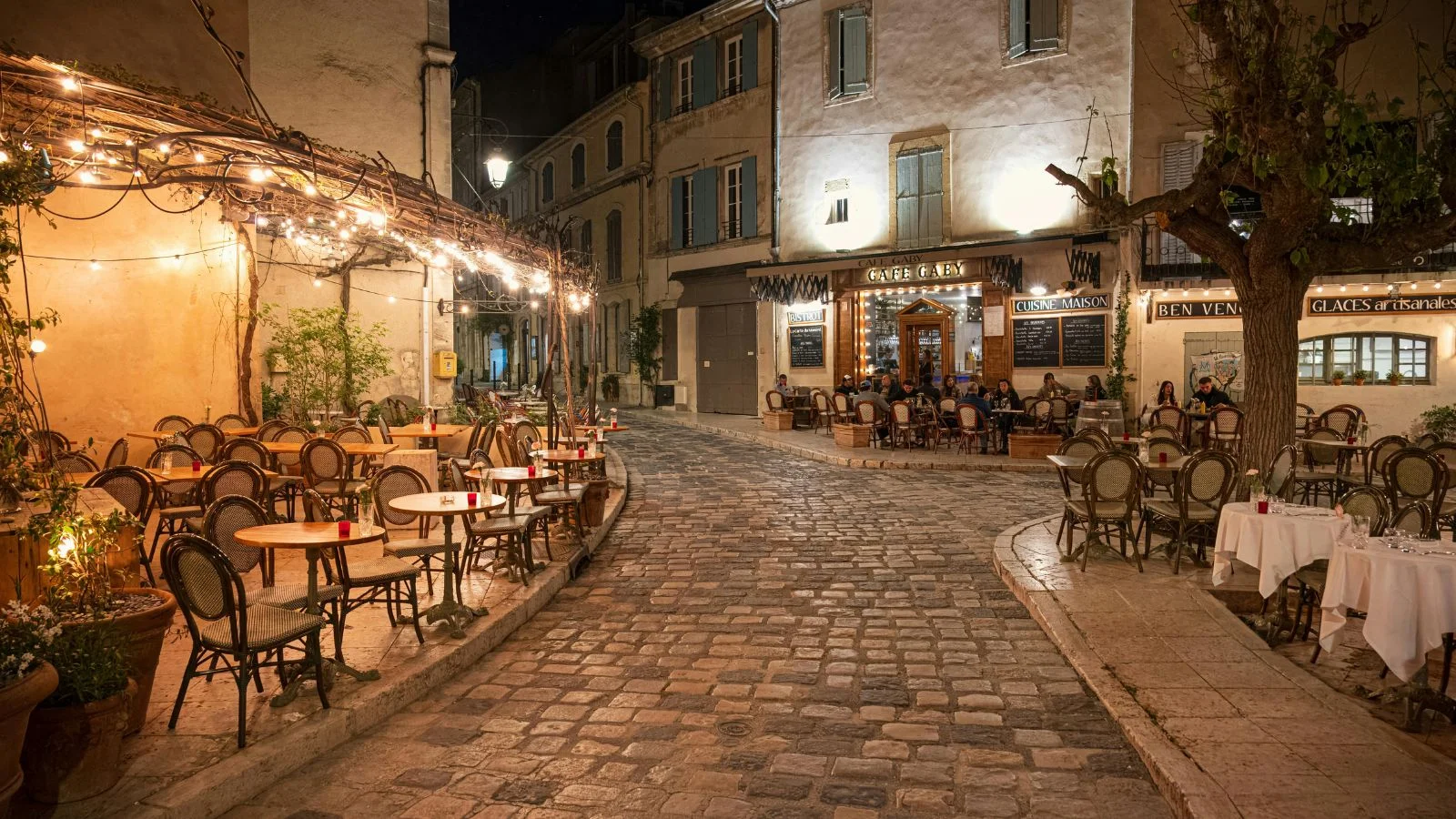
Across Europe, many regions now market themselves through the language of slow living. Small cafés, local markets, artisanal shops, and quiet stone streets have become part of a familiar visual identity repeated across travel campaigns and social media. Provence appears in that same year conversation constantly, yet the reason the region continues to hold attention goes beyond aesthetics. What survives there is not simply a curated atmosphere, but a rhythm that still shapes everyday life.
This matters because slow travel often fails when destinations perform slowness without actually living it. In many places, village life has become decorative—maintained for visitors but detached from local routines. Provence is more complicated. Tourism is present, sometimes heavily, but the underlying structure of life in many towns still follows agricultural seasons, market days, long midday pauses, and social habits that existed long before tourism became the region’s economic identity.
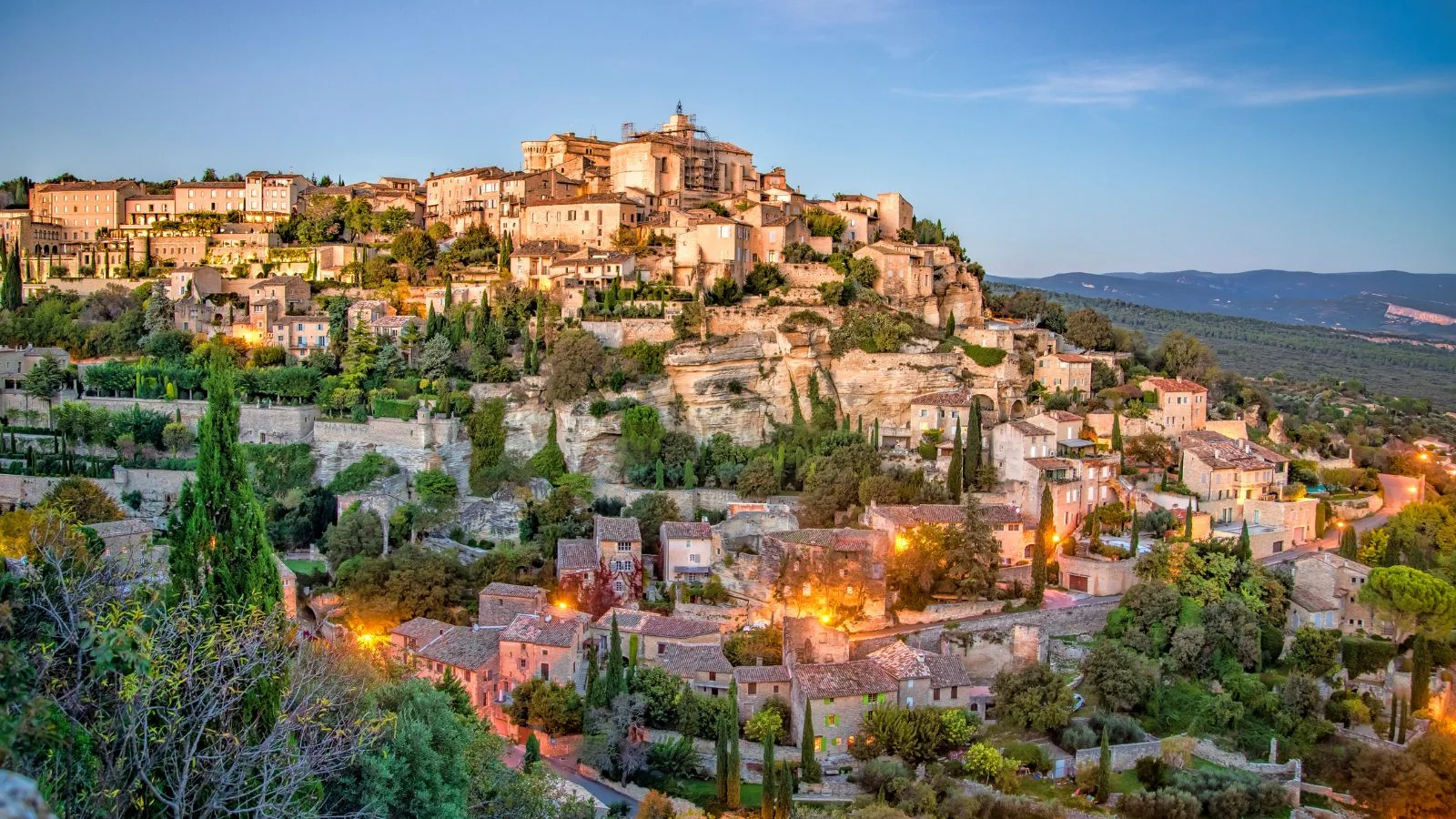
The rhythm becomes visible across villages in different ways. In Lourmarin, mornings gather slowly around cafés and small squares before the day disperses into galleries, bookstores, and weekly markets. In Gordes, movement changes with light and temperature, with quieter hours returning after day visitors leave the stone terraces overlooking the Luberon Valley. Roussillon carries a different texture altogether, shaped by its ochre cliffs and earthy tones that influence everything from architecture to local craft traditions. Ménerbes remains more restrained, quieter and less performative, with a pace that feels tied less to tourism and more to continuity.
What connects these places is not that they are untouched. Provence is well known, photographed endlessly, and deeply integrated into European tourism. The difference is that many villages still retain functioning local rhythms beneath that visibility. Bakeries open according to community patterns rather than tourist convenience. Markets remain tied to producers from surrounding areas. Meals still structure the day socially rather than simply commercially.
The emotional effect of this environment is subtle rather than dramatic. Provence does not force immersion through intensity. Instead, it changes perception gradually. Travelers begin adjusting to slower mornings, longer meals, quieter evenings, and movement shaped less by efficiency than by atmosphere and climate. The experience becomes cumulative. What initially feels calm eventually starts to feel structurally different from faster urban environments elsewhere in Europe.
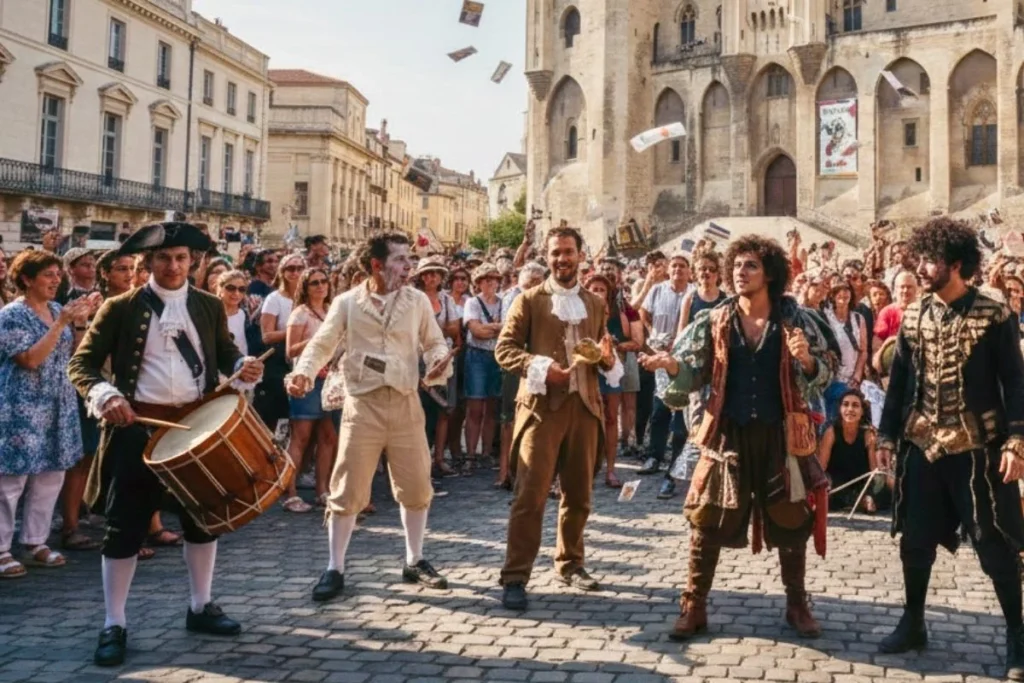
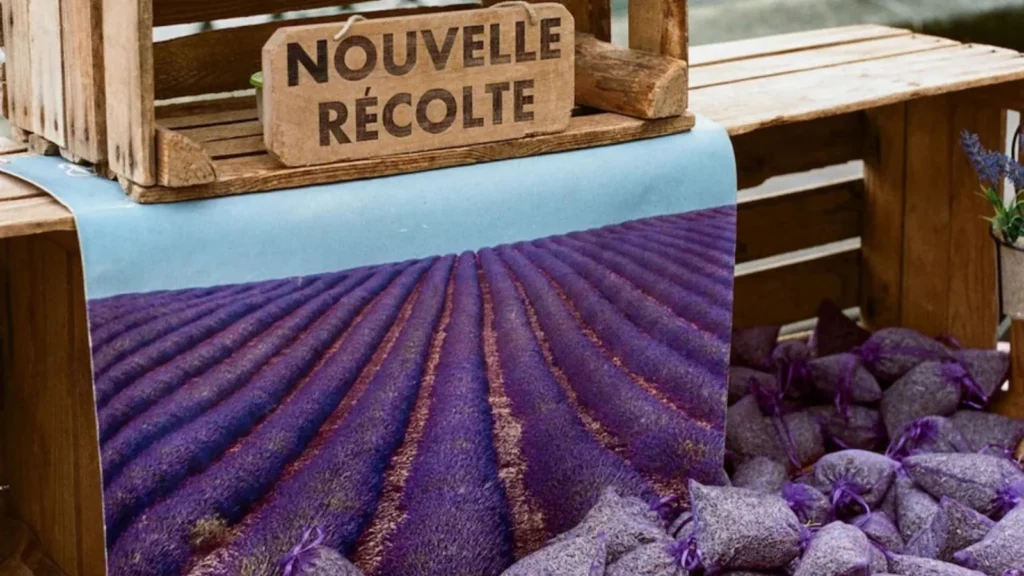
There is also an important misconception surrounding Provence. Many visitors arrive expecting cinematic perfection at all times—lavender fields in every season, empty villages, permanent serenity. The reality is more layered. Summers can become crowded. Some villages are heavily photographed. Prices in certain areas reflect international demand. Slow living here is not produced by isolation from tourism, but by the persistence of older cultural habits despite tourism.
For slow travelers, this distinction matters. Provence works best when approached with time rather than coverage. Attempting to move rapidly between villages often reduces the region to visual consumption. Staying longer in one area—returning to the same café, market, or evening walk—reveals the deeper structure underneath the surface beauty.
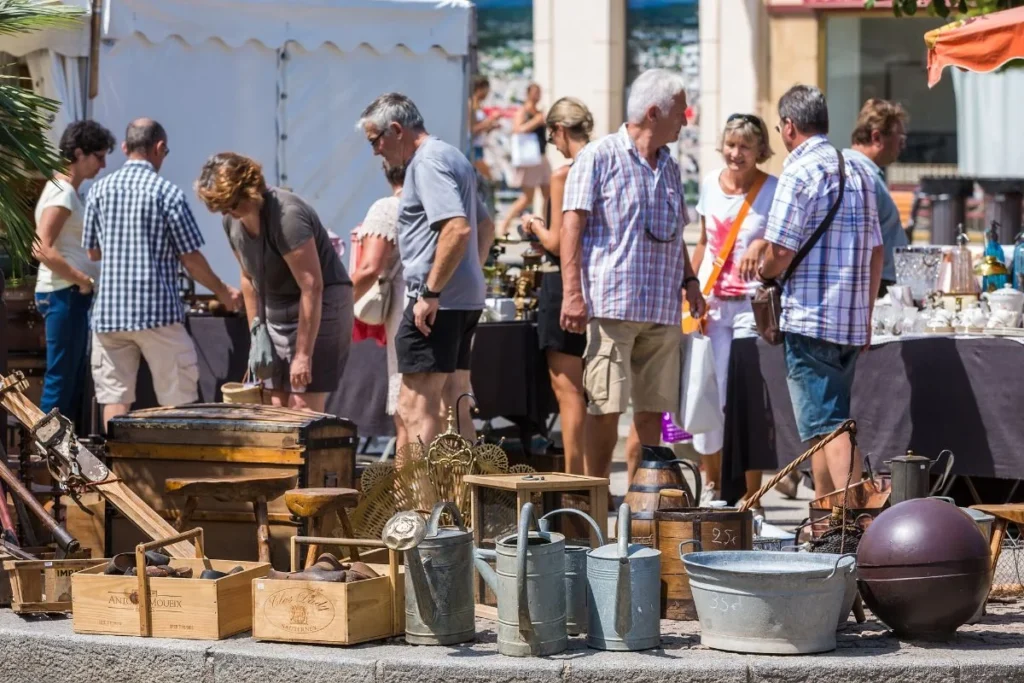
The region suits travelers who value atmosphere, routine, food culture, and gradual immersion over constant activity. It is less suited to travelers seeking dramatic landmarks, rapid itineraries, or highly scheduled experiences.
The final judgment is that Provence remains one of Europe’s strongest examples of lived slow culture not because it escaped modern tourism, but because fragments of its older rhythms continue to survive within it. That continuity—not the lavender imagery—is what still makes the region feel different.