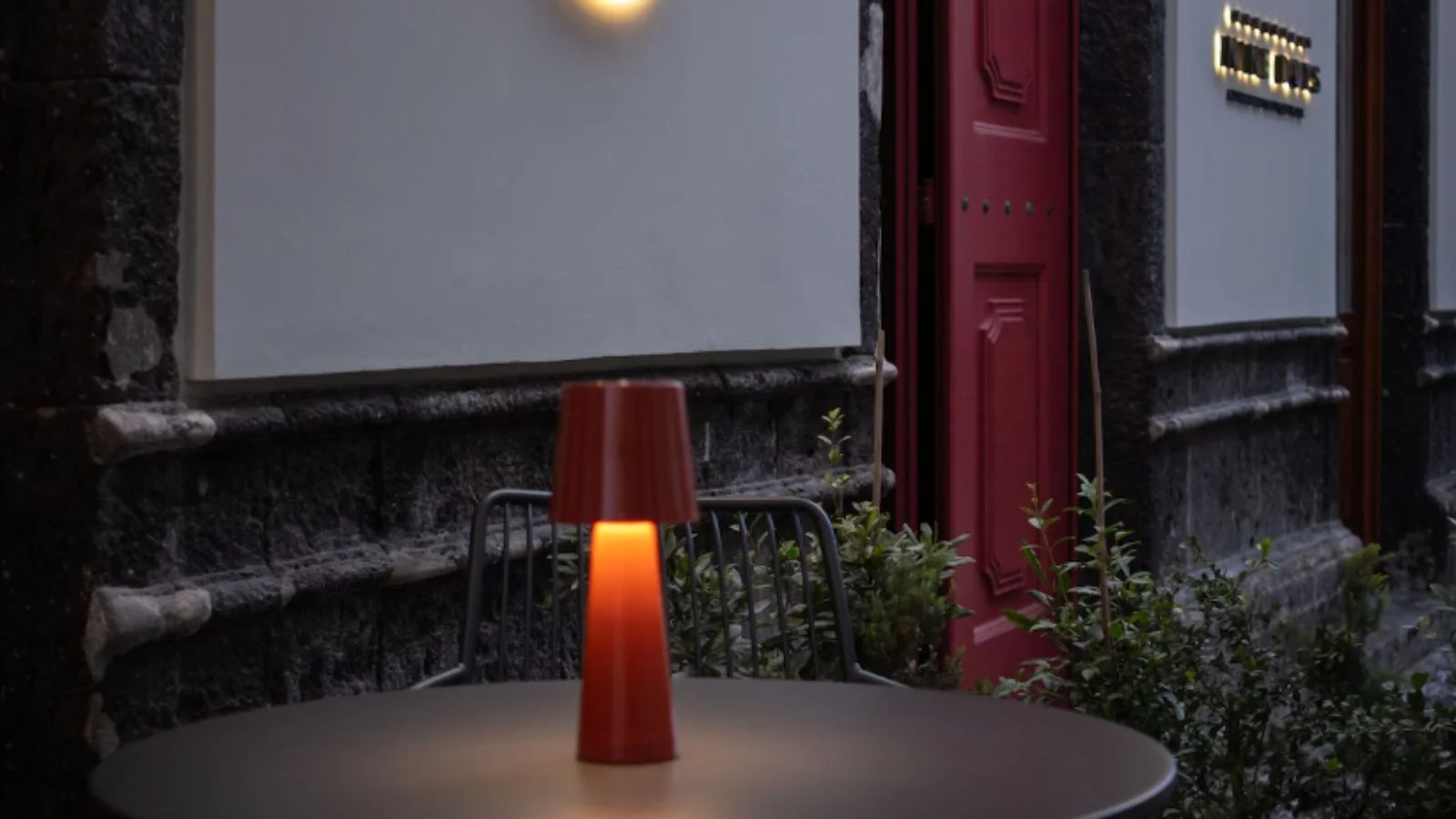
In Istanbul’s old city, the passage of centuries is felt not only through its monuments, but through the everyday lives that continue around them.
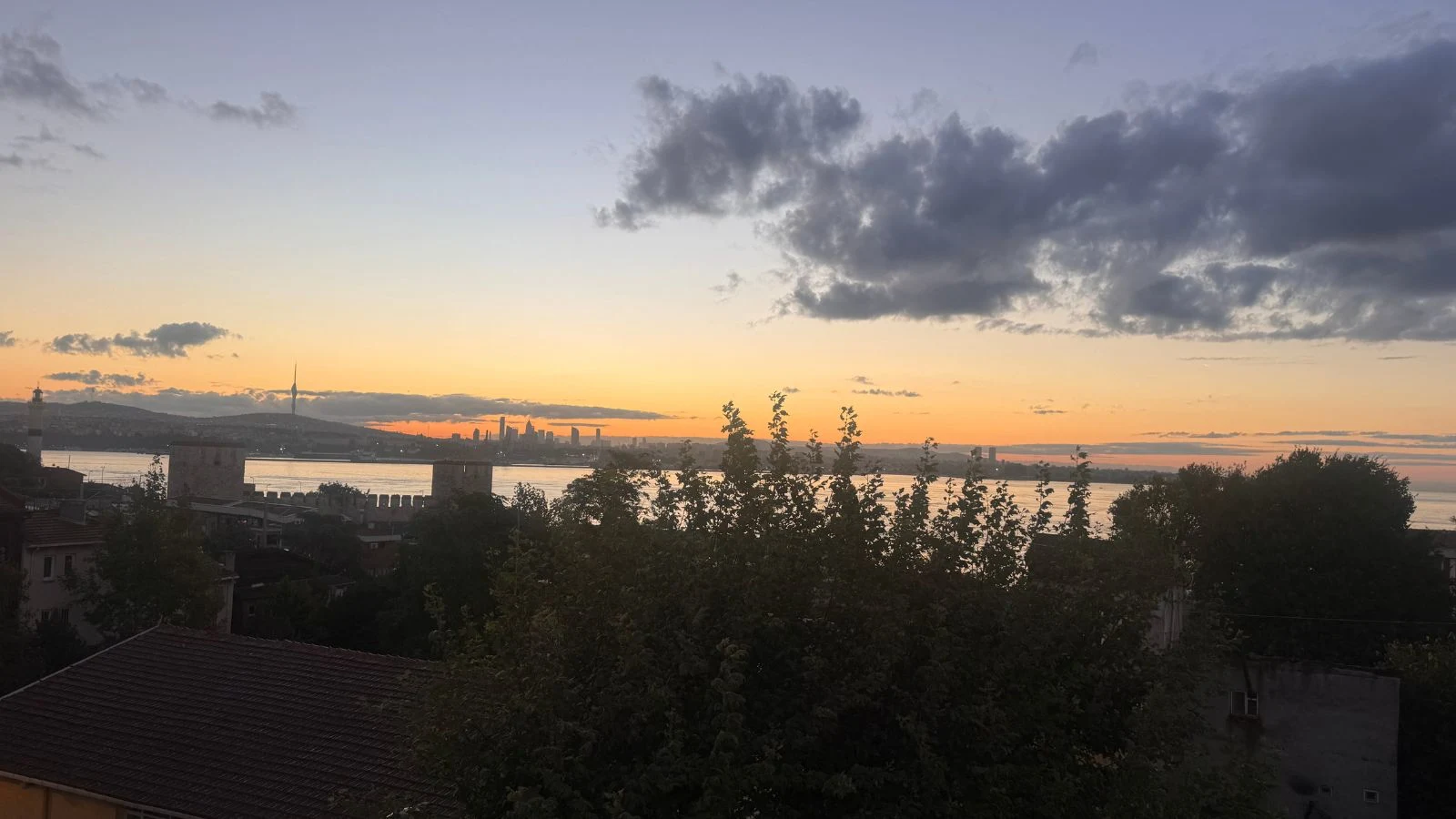
Before sunrise, the Sea of Marmara begins to change colour beyond the rooftops of Sultanahmet. Gulls circle above the terraces of small hotels, occasionally settling close enough to interrupt the stillness. Behind the Sultan Ahmed Mosque, the neighbourhood has yet to reach the pace that will define its busiest hours. A cup of coffee, the movement of the birds and the gradual arrival of daylight offer a different introduction to one of Istanbul’s most visited districts.
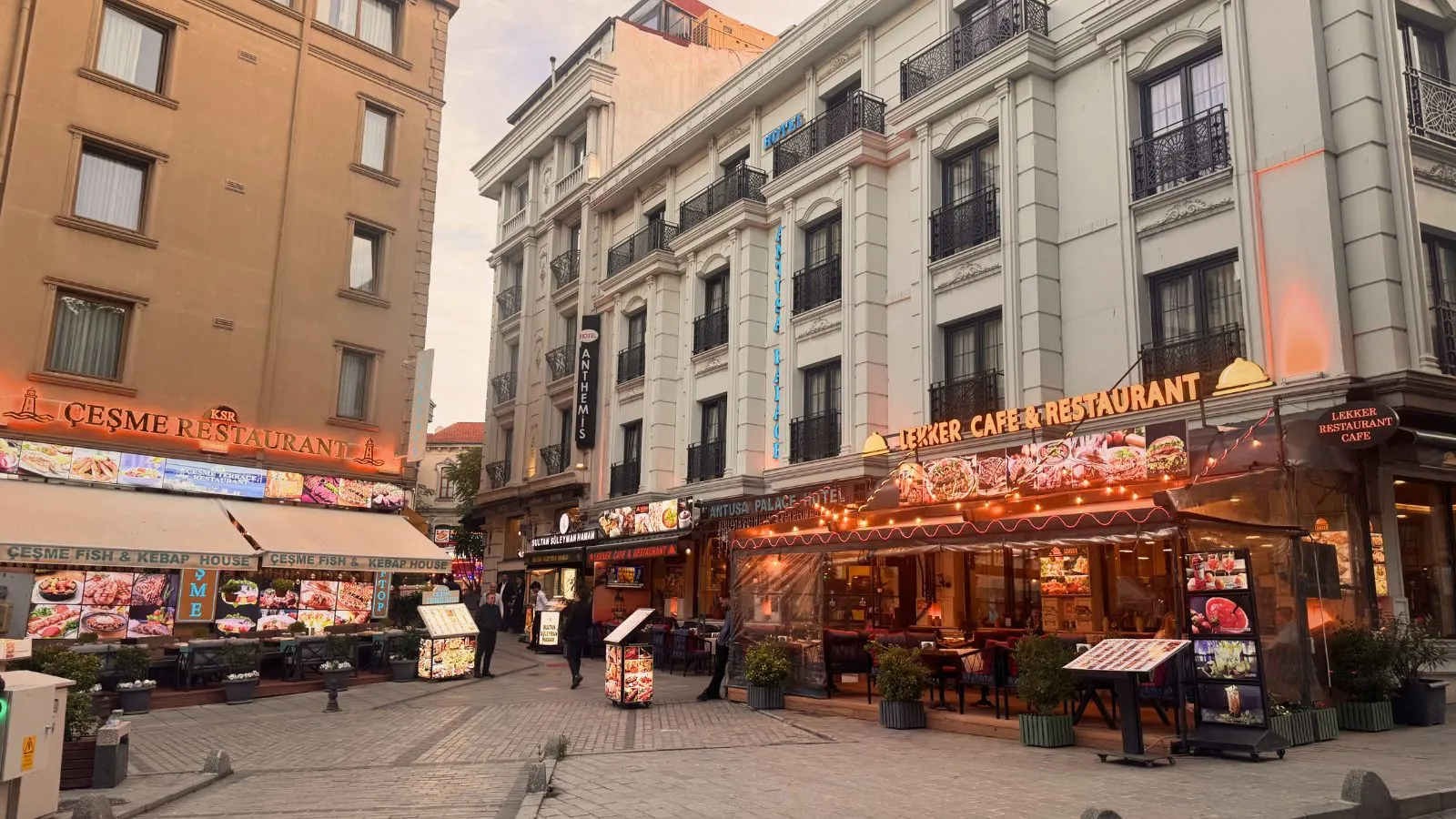
Within a short walk, the scale of the city changes. Narrow streets climb towards the great mosque, restaurants prepare for the day, and shopkeepers begin welcoming visitors into a neighbourhood shaped by centuries of history and a thriving contemporary visitor economy.
Sultanahmet is rarely described as a place for slow travel. Its monuments attract crowds, its streets are filled with hotels and restaurants, and much of its daily commerce revolves around people passing through. Yet spending time here reveals something that a succession of landmark visits cannot fully convey: the feeling of entering a human story that has continued through changing empires, cultures and generations.
The old city is not simply a place where history happened. It is a place where life has continued.
A Small Stay in a Monumental City
Behind the Sultan Ahmed Mosque, smaller hotels occupy streets that descend towards the Sea of Marmara. Their scale offers a contrast to the monumental architecture only minutes away. Some have just a handful of rooms, modest communal spaces and terraces overlooking the water. Their appeal lies less in extensive facilities than in the character of the stay itself: a familiar reception desk, warm hospitality and the domestic atmosphere of breakfast being prepared in a small ground-floor dining room.
These details may seem modest in a district defined by imperial architecture, but they change how the surrounding city is experienced. A balcony overlooking the Marmara allows the morning to begin without an itinerary. The sea, the rooftops and the movement of gulls become familiar features of the day. The accommodation is no longer simply a place to sleep between visits to historic attractions; it becomes part of the experience of living temporarily within the old city.
This sense of familiarity extends naturally into the surrounding streets. A short uphill walk connects the quieter accommodation area with restaurants, small shops and the routes leading towards Sultanahmet Square. The distance is small enough for ordinary routines to develop without depending on a carefully organised sightseeing programme.In a district where the extraordinary is always close at hand, the ordinary begins to matter.
The Familiarity of Everyday Life
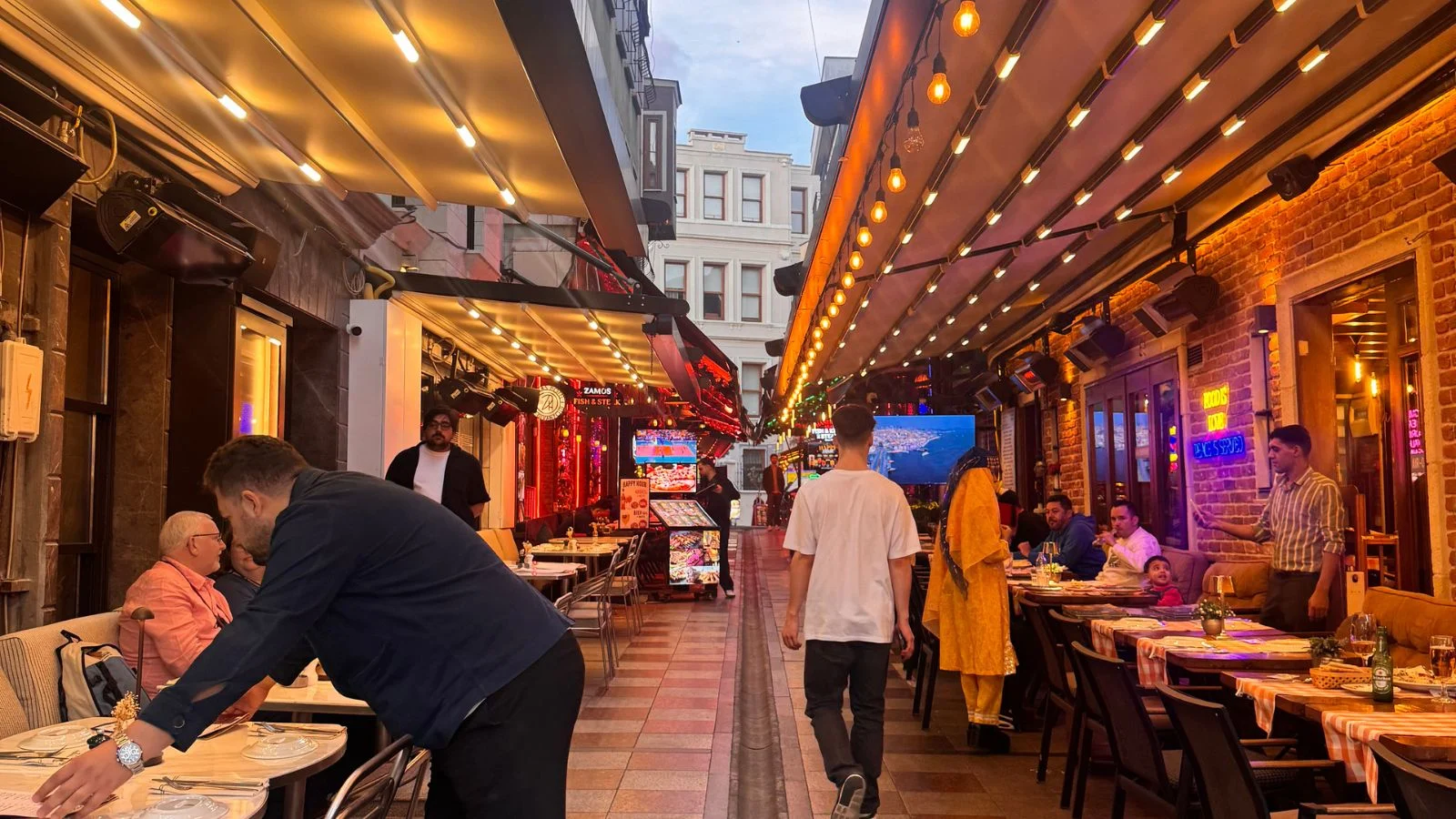
Sultanahmet’s commercial character is impossible to separate from its contemporary identity. Restaurants display their menus along busy streets, staff invite passers-by inside, and shops selling textiles, sweets, tea and souvenirs reflect the district’s long-established role as a destination for international visitors.
The area has also changed. Its concentration of hospitality businesses and visitor services gives parts of the neighbourhood a more intensely commercial atmosphere than in earlier decades. Yet among the businesses directed towards tourists are places that make an extended stay surprisingly practical. The Turkish lokantasi is one of them.
These informal eateries, found throughout Istanbul, serve prepared dishes from counters where customers choose from the food available that day. The selection changes regularly, offering an alternative to fixed restaurant menus and the more elaborate dining experiences promoted to visitors.
The appeal lies in the simplicity of the arrangement. Food is prepared, displayed and served without ceremony. Staff explain unfamiliar dishes, describe ingredients and sometimes share stories about the people working in the kitchen. With repeated visits, the experience becomes less transactional. Familiar faces appear behind the counter, conversations resume, and the daily meal develops a continuity of its own.
A similar familiarity emerges in the surrounding streets. Small cafés, supermarkets, bakeries and local services provide the practical infrastructure of daily life, while repeated walks turn previously unfamiliar corners into recognisable routes. These are not dramatic discoveries. They are the small adjustments through which a temporary stay begins to feel connected to its surroundings.
Arasta Bazaar and the People of the Old City
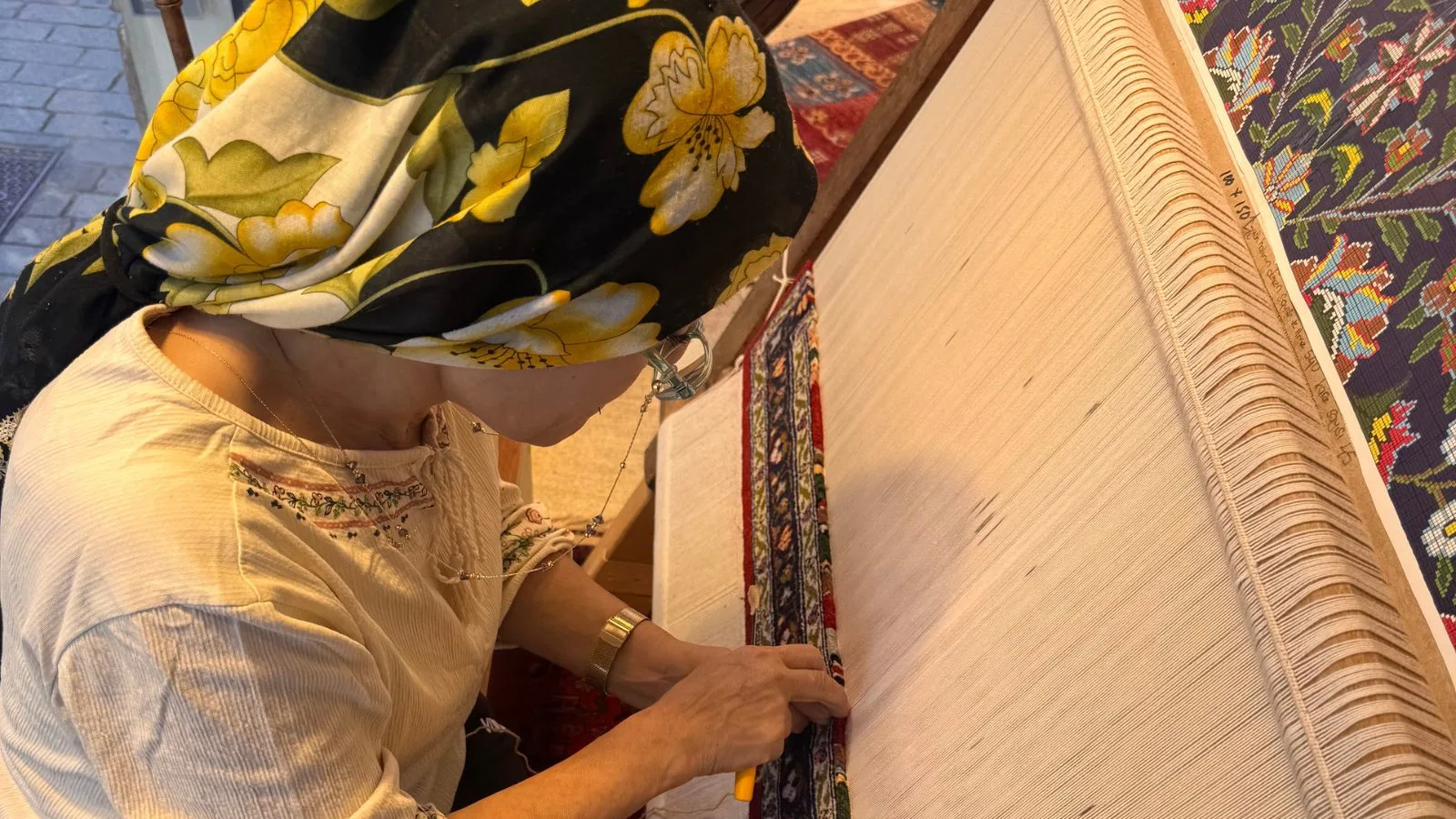
Near the Sultan Ahmed Mosque, Arasta Bazaar offers a particularly revealing encounter with Sultanahmet’s contemporary human landscape. The market is unmistakably commercial. Its shops sell ceramics, textiles, tea, decorative objects and other goods to visitors moving through the historic district. Invitations to enter, questions about where travellers have come from and offers of tea or Turkish coffee are part of the experience. Yet conversations can move far beyond the objects on display.
The people working in the bazaar have arrived from different parts of Türkiye and from countries beyond its borders. Some have come from southeastern Anatolia, others from Central Asia, while younger workers may combine employment with university studies.
Their stories reveal lives shaped by movement, education, work and the search for opportunity. A conversation that begins with a question about tea or a handmade object can become an exchange about languages, family, migration and the experience of settling in Istanbul.
The district’s international character is also reflected in the ease with which many people working in hospitality and commerce communicate with visitors. For some, English has been learned less through formal education than through years of daily conversation with people from around the world.
Such encounters do not remove the commercial purpose of the bazaar. Nor do they suggest that every interaction becomes a meaningful personal connection. What they reveal is a human landscape more varied than the familiar image of a historic Turkish marketplace. The people who work here belong to the contemporary life of Sultanahmet, bringing their own histories into a district already shaped by centuries of movement and exchange.
A City Built Upon Other Cities
Sultanahmet occupies one of the most historically layered parts of Istanbul. The area formed part of ancient Byzantion and later the ceremonial and political centre of Constantinople. Under the Eastern Roman Empire, the Hippodrome became a major setting for public spectacles and imperial life, while Hagia Sophia, completed in the sixth century under Emperor Justinian I, established an architectural presence that would influence generations.
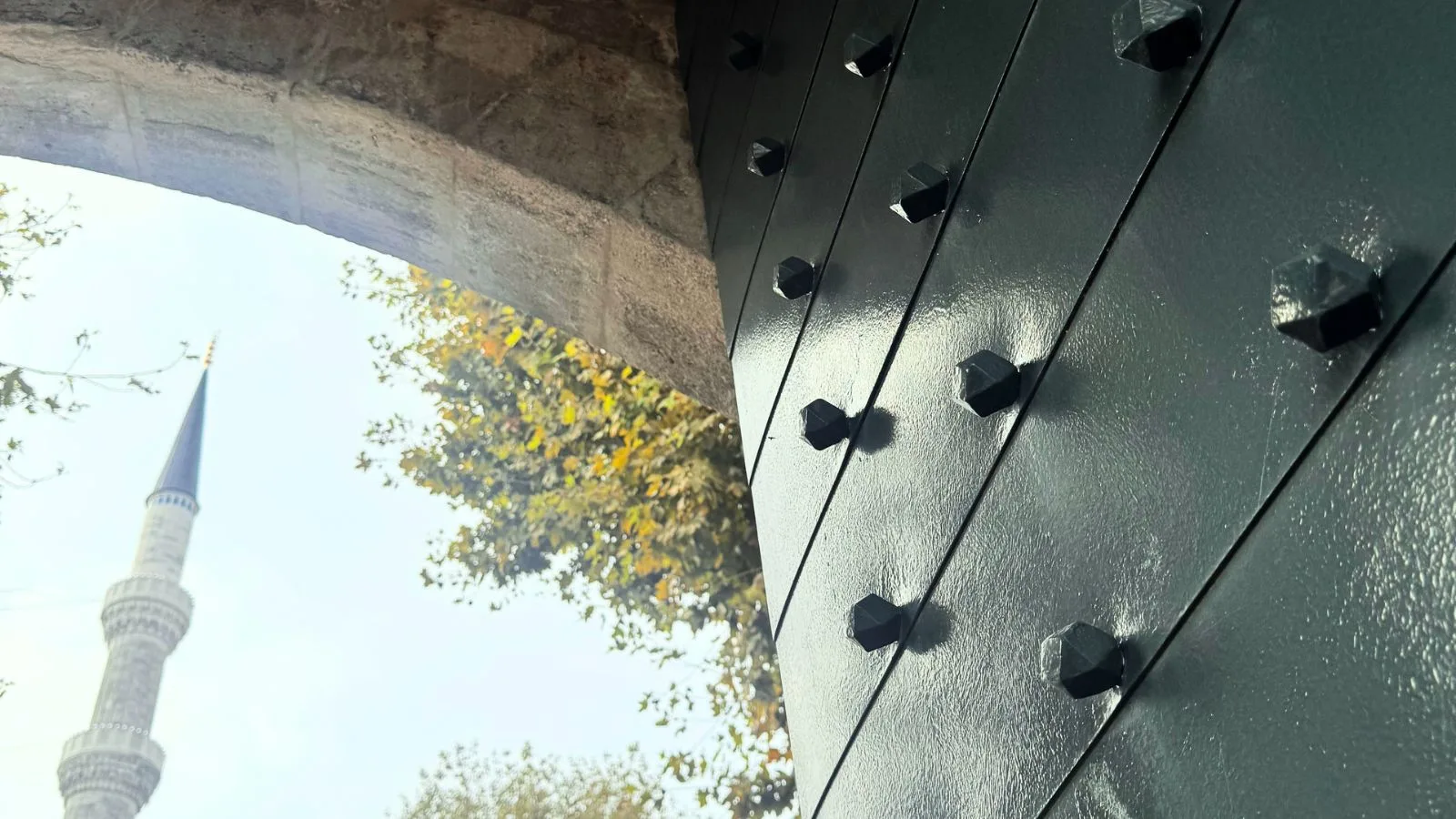
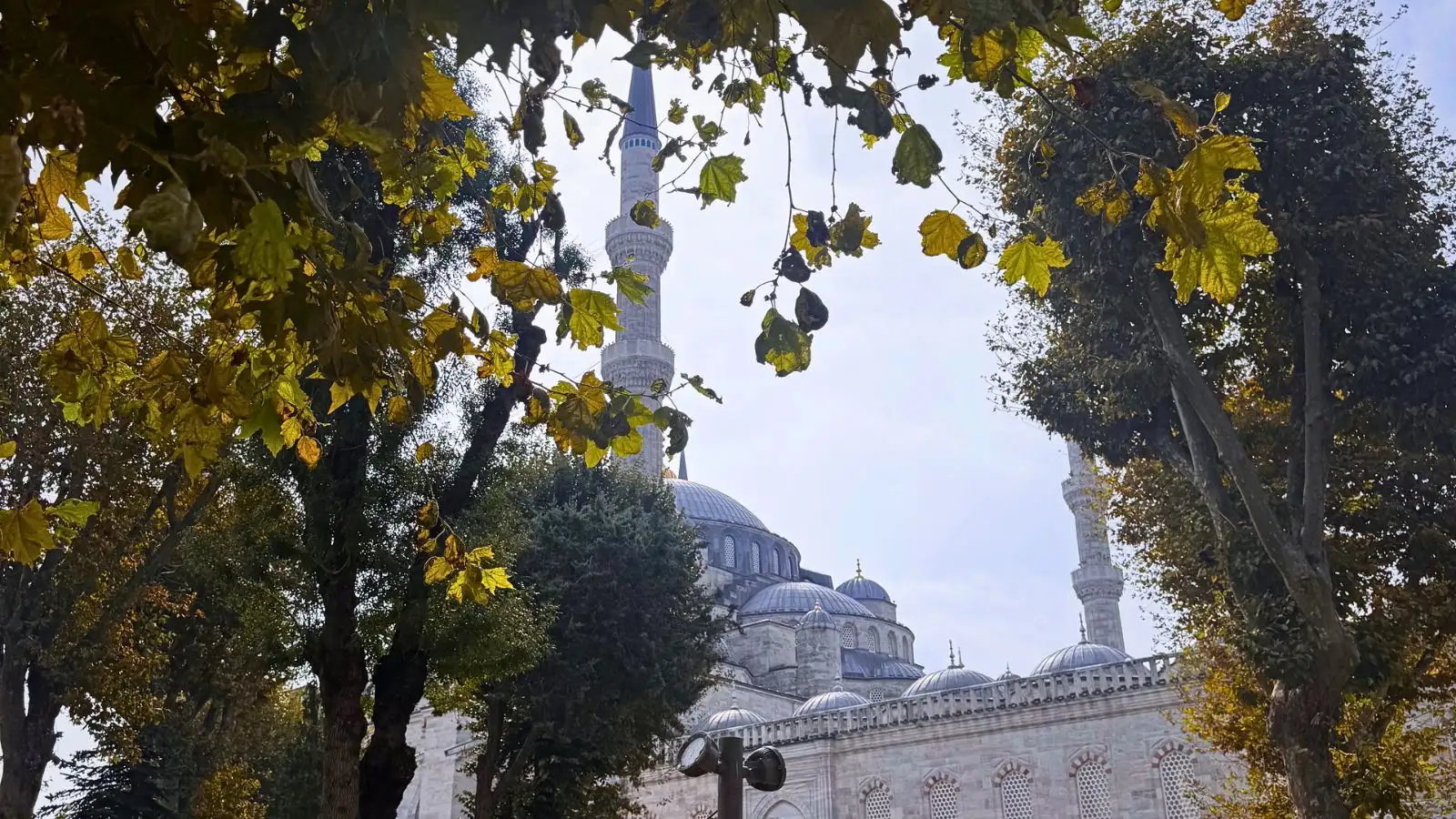
Following the Ottoman conquest of Constantinople in 1453, the city became the centre of another imperial world. The nearby Topkapı Palace served as a seat of Ottoman government and court life, while the Sultan Ahmed Mosque, built in the early seventeenth century, introduced another monumental expression of the city’s religious and architectural identity.
The scale of this history can be overwhelming when approached entirely through major landmarks.Yet some of Sultanahmet’s most revealing details are found away from their principal entrances.
Archaeological remains associated with the ancient city make it possible to encounter structures and levels of construction that lie beneath the streets of modern Istanbul. Arches, masonry and surviving fragments suggest the physical depth of a city repeatedly built, altered and inhabited.
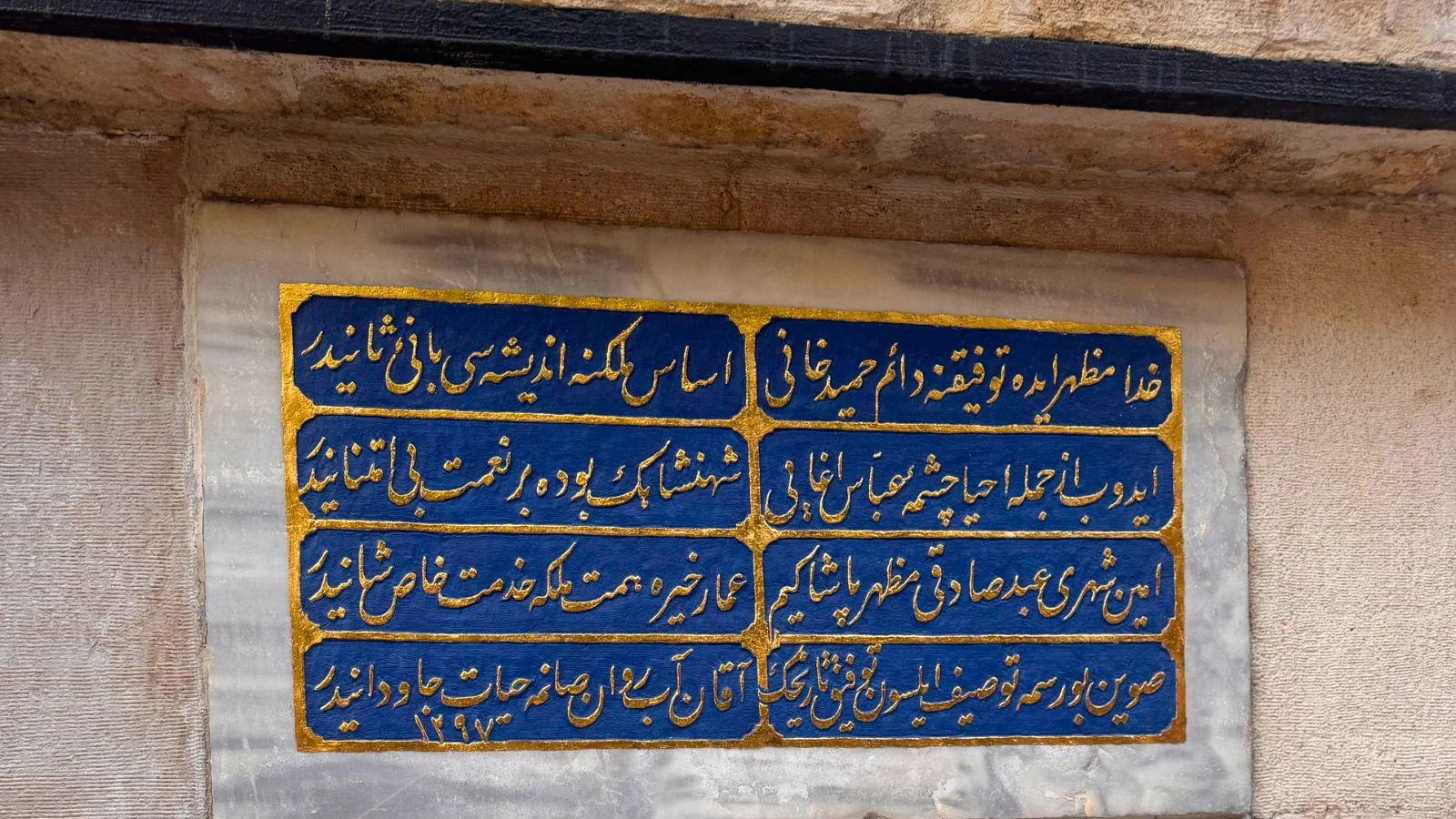
Elsewhere, traces of earlier structures remain visible within the contemporary streetscape. Ottoman fountains and public water structures appear along smaller routes, some retaining inscriptions in Ottoman Turkish. Their presence recalls a city organised not only around imperial power and religious institutions, but also around the practical needs of its inhabitants.
Older buildings continue to accommodate shops, cafés and other contemporary uses. Historic architectural details remain visible beside modern commercial life, sometimes in spaces whose original functions have changed considerably.
These smaller encounters alter the understanding of the district. The Byzantine and Ottoman pasts are not confined to separate museum experiences. Their surviving traces form part of the same urban environment through which people continue to move. The old city has been transformed repeatedly, but it has never ceased to be a place where people conduct ordinary lives.
The Square at the End of the Day
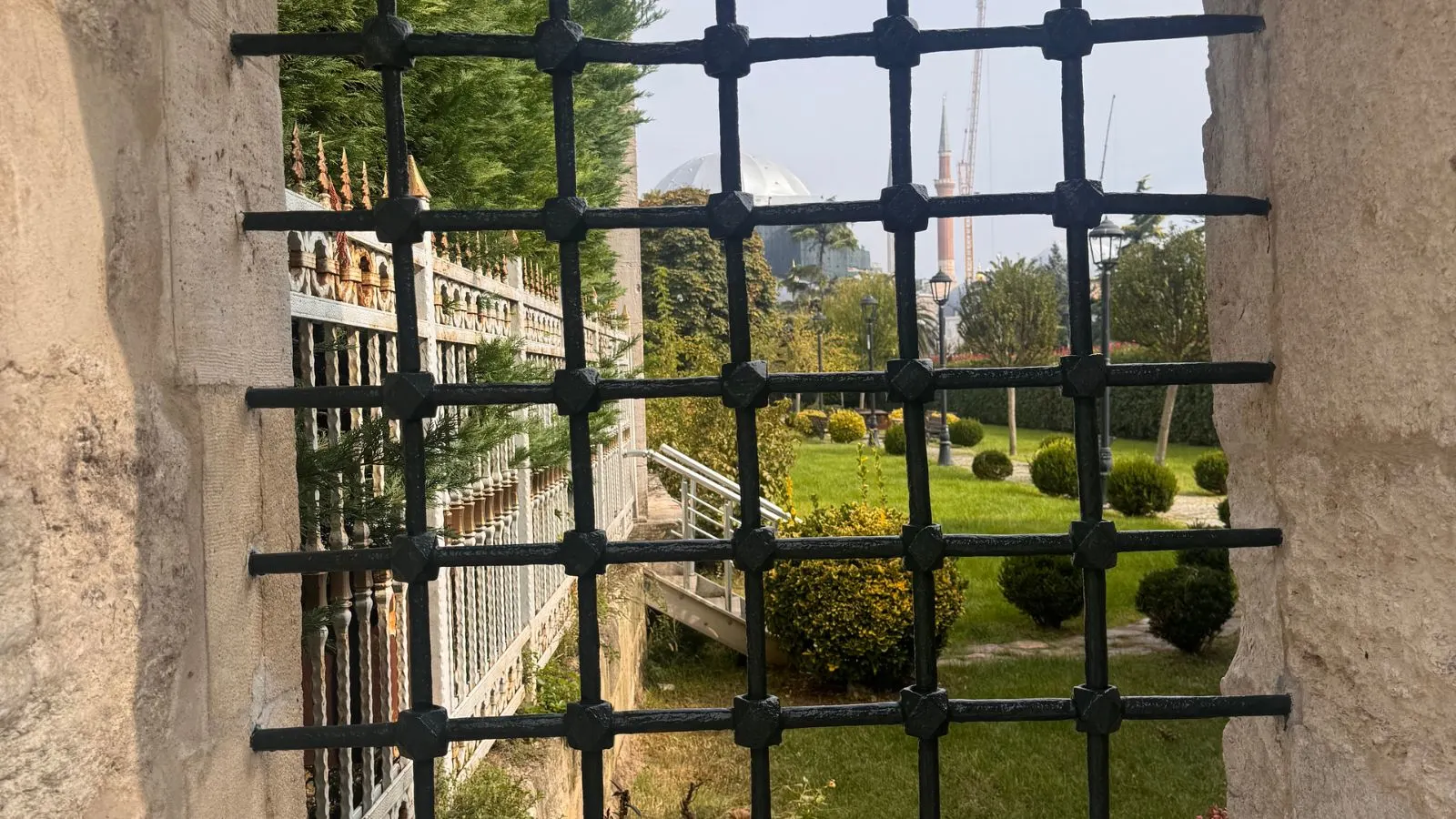
Between Hagia Sophia and the Sultan Ahmed Mosque, the public spaces of Sultanahmet Square bring together the district’s monumental architecture and its contemporary social life.
During the busiest hours, the area fills with visitors moving between attractions, guided groups gathering near entrances, and people photographing the buildings that define Istanbul’s historic image.
But the square also provides places to remain. Public benches, cafés, kiosks and open pedestrian areas allow people to spend time between the monuments without necessarily visiting them. The atmosphere changes as the afternoon moves towards evening and the light begins to soften around the domes and minarets.
At sunset, the architectural setting takes on another character. People pause in the open spaces, gather near the benches or watch the changing sky from surrounding cafés. The square remains active, but the experience is no longer organised entirely around entrances, tickets or guided visits.
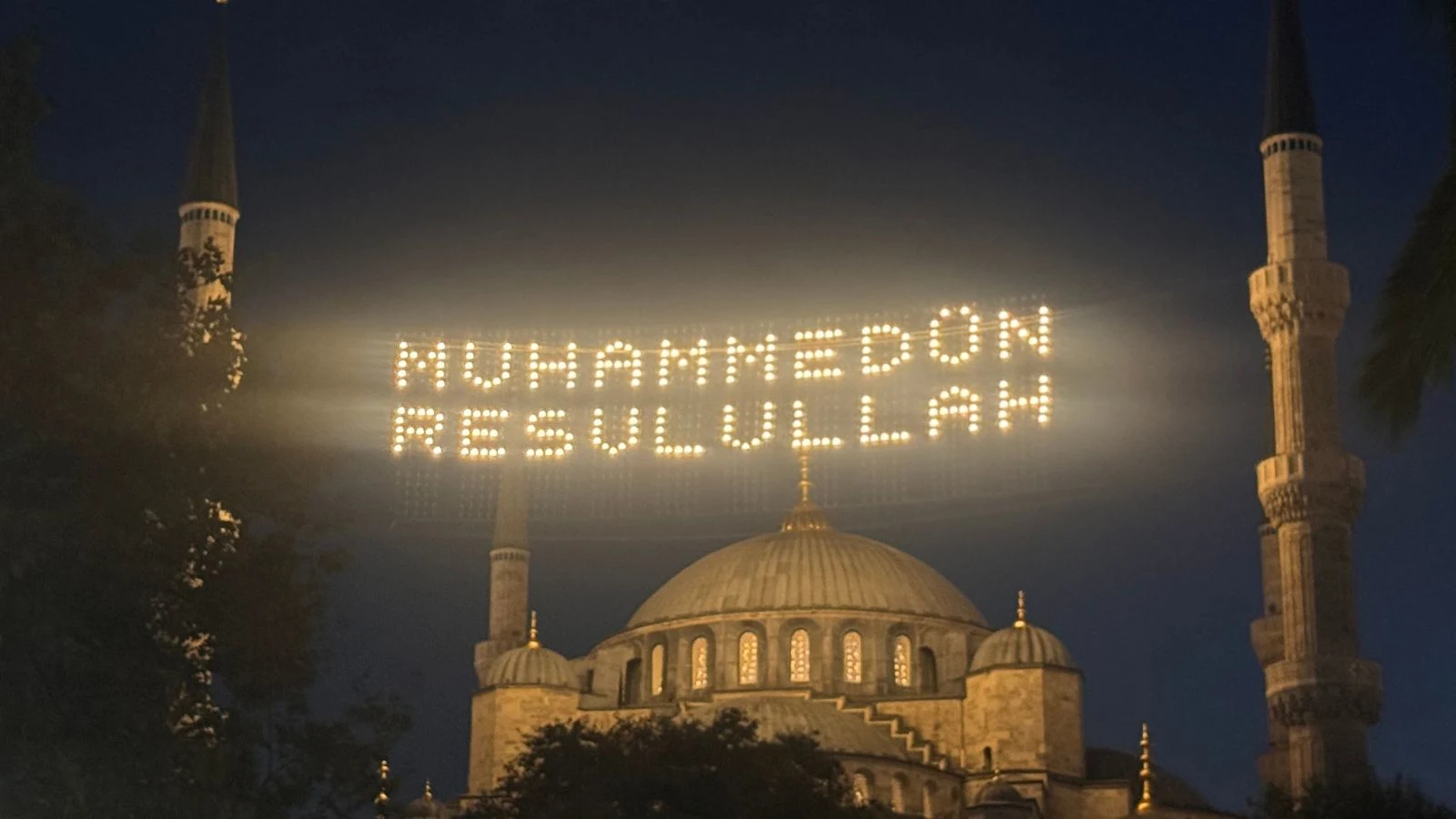
As darkness arrives, the mosque’s illumination becomes part of the scene. At certain times, illuminated inscriptions suspended between its minarets, known as mahya, add another layer of religious and visual tradition to the skyline.
The Sultan Ahmed Mosque remains an active place of worship. Its religious life continues alongside the presence of visitors, reminding those who enter that the building belongs to a living tradition rather than a historical period that has ended.
This coexistence is central to the character of Sultanahmet. The square is not a preserved stage emptied of contemporary life. It is a public setting in which worship, commerce, tourism and everyday human presence continue to overlap.
The Realities of Staying in Sultanahmet
The qualities that make Sultanahmet compelling do not make it universally suitable for an extended stay. Its concentration of historic sites, museums, bazaars, restaurants and accommodation creates a convenient environment for travellers interested in Istanbul’s cultural heritage. Essential services are readily accessible in many parts of the district, while the tram provides connections beyond the historic peninsula.
Small hotels can offer a welcoming and intimate base, particularly where hospitality, comfortable rooms and access to terraces or outdoor spaces contribute to the experience. Yet the physical environment requires consideration. Some streets are steep or uneven, and older buildings may have stairs or limited accessibility. The district’s popularity also brings congestion, visitor-oriented businesses and frequent commercial approaches.
The area is not necessarily the best choice for travellers seeking quiet residential life or a neighbourhood largely independent of tourism. Its human encounters often occur within hospitality and retail environments, and the warmth of those interactions should not be confused with complete immersion in the life of a local community. These realities help define Sultanahmet’s particular appeal.
It is a place where extraordinary historical concentration exists alongside practical accommodation, everyday food, accessible services and a remarkably varied population of people working within the old city.
For travellers drawn to history and cultural observation, the opportunity is not to escape the district’s intensity, but to experience it without being governed entirely by the pace of sightseeing.
To Belong, However Briefly
The history of Sultanahmet is often told through the civilisations that shaped it: ancient Byzantion, Byzantine Constantinople and the Ottoman imperial capital.
Yet beneath those familiar historical divisions lies another story, one less concerned with rulers and monuments than with the continuity of human life.
Generations have arrived, worked, traded, worshipped, prepared food and established livelihoods within this landscape. Political authority has changed, buildings have acquired new purposes, and the languages heard in its streets have evolved. The people who inhabit and work in Sultanahmet today belong to a different world from those who gathered around the Byzantine Hippodrome or lived under Ottoman rule, but the ordinary activities through which people sustain a city remain recognisable.
A conversation in the bazaar, a familiar meal, an old inscription discovered along a narrow street or an evening spent watching the square gradually illuminate can make that continuity more tangible. This is where Sultanahmet offers something distinctive to slower travel.
Its value is not simply that additional time allows more places to be discovered. It is that familiarity changes the relationship between the visitor and the city. The monuments cease to stand apart from daily life, and the people encountered along the way become part of a much longer understanding of the place.
Sultanahmet does not promise the quiet of a remote village or the intimacy of a residential neighbourhood. Its streets remain busy, commercial and deeply shaped by tourism. Yet within that environment, a different sense of belonging can emerge — not through claiming the place as one’s own, but through recognising the continuity of the lives that have unfolded there.
To spend time in Sultanahmet is to be present, however briefly, in a human story that has continued for centuries.
a-signage-showing-text-in-old-ottman-language-sultanahmet-istanbul
a-view-of-sultanahemt-meydan-istanbul
blue-mosque-at-night-istanbul
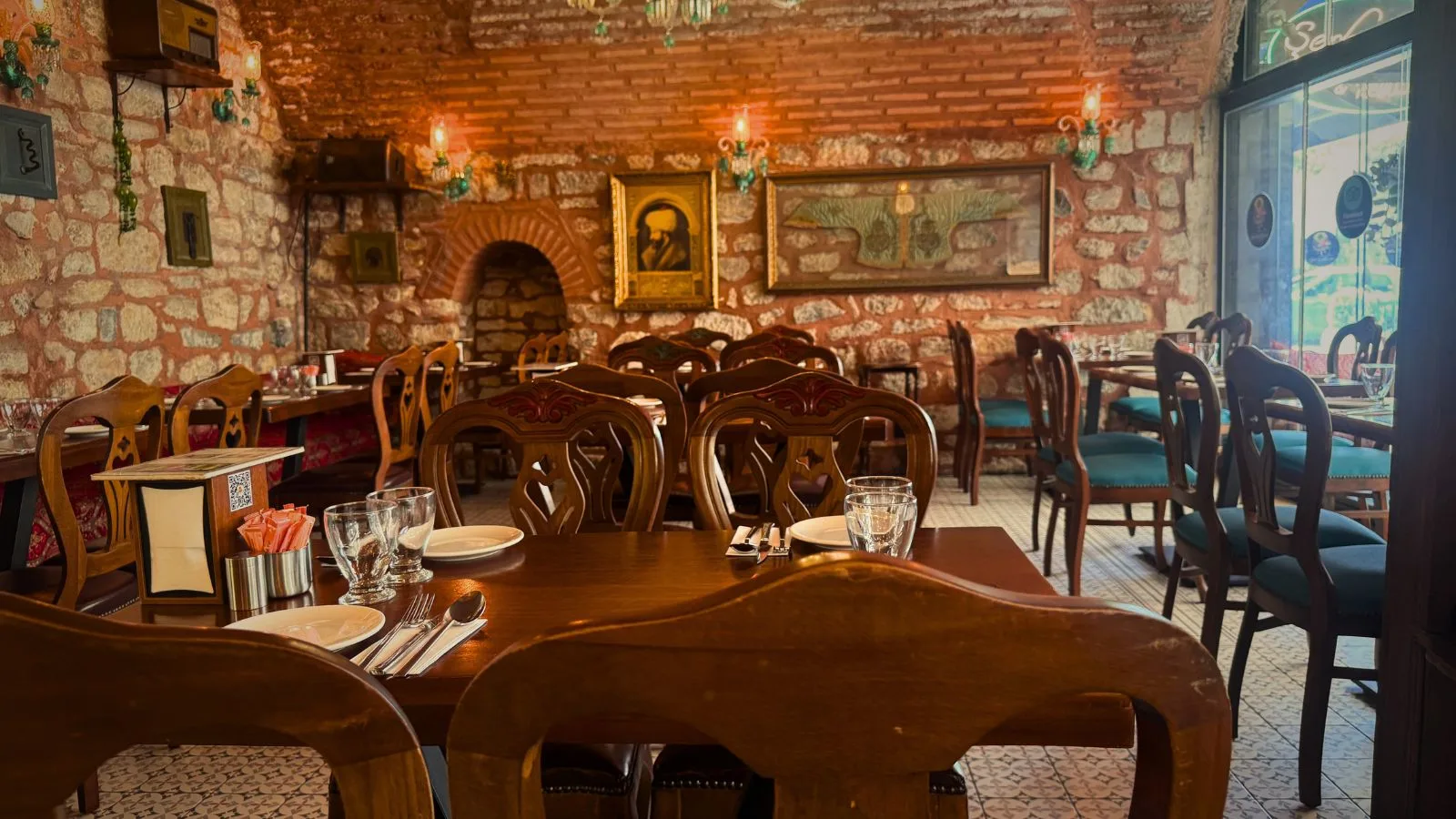
Byzantine-inspired-restaurant-sultanahemet-istanbul
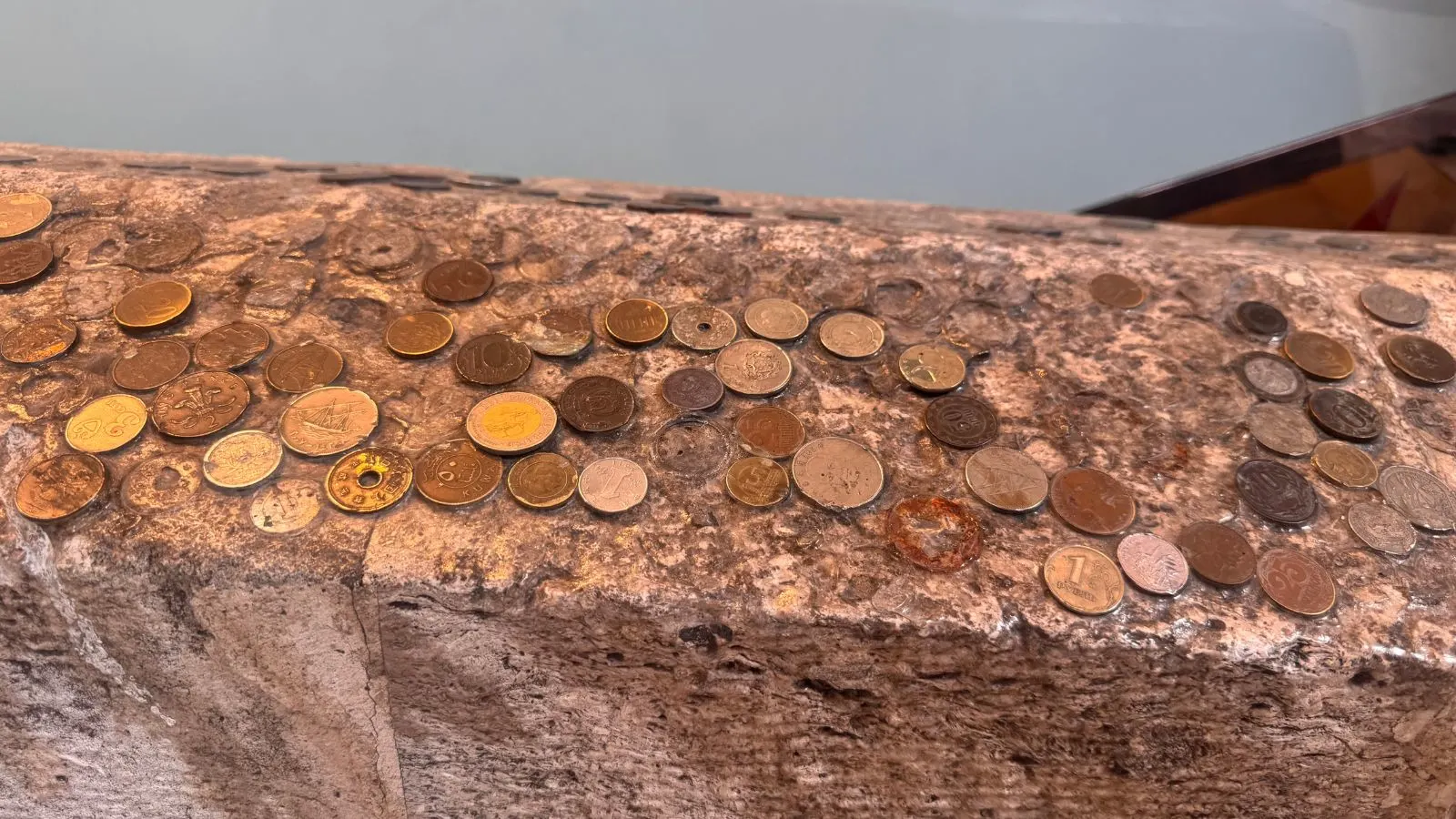
coins-glued-on-a-fence-sultanahemet-istanbul
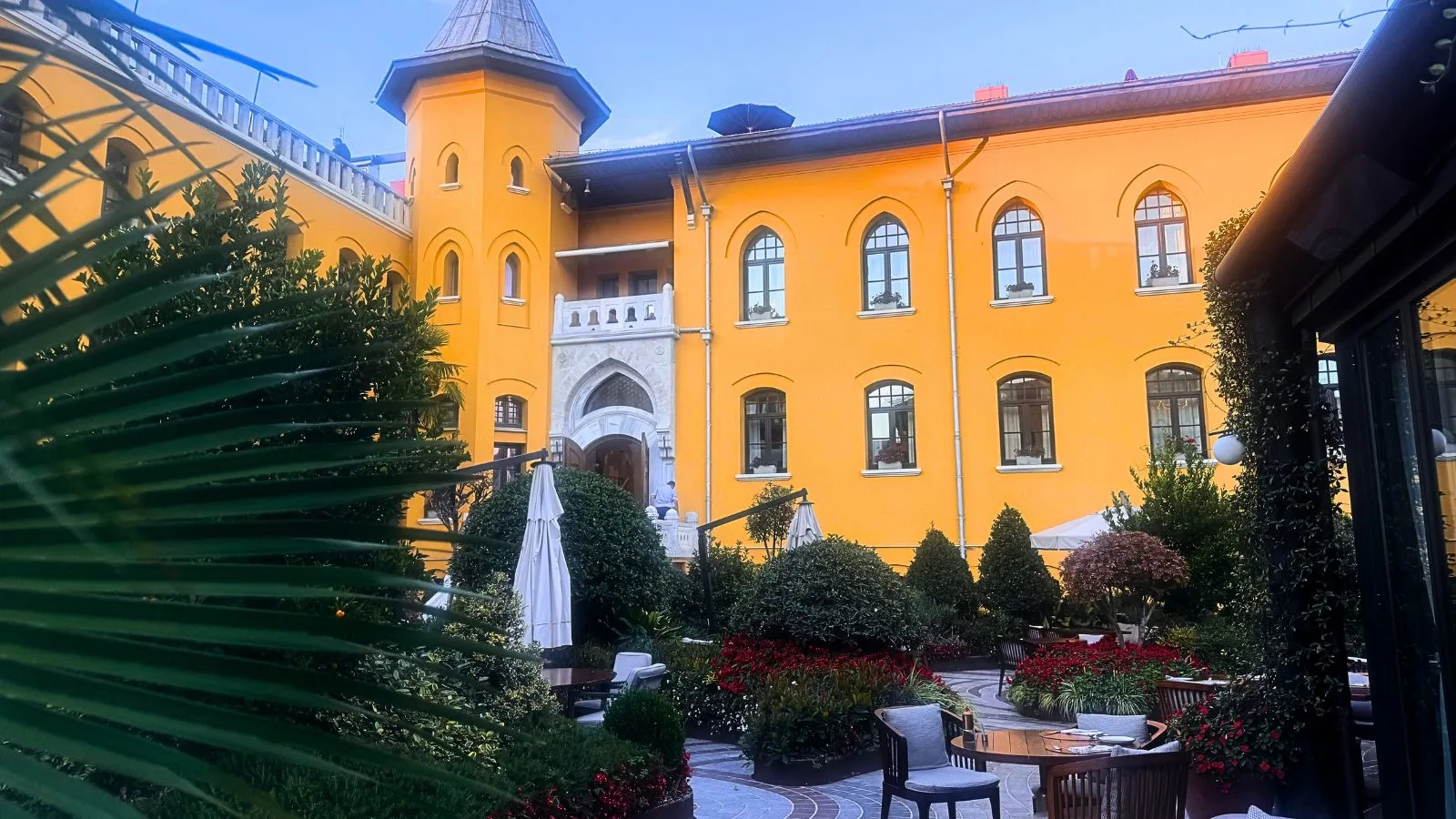
courtyard-view-at-the-four-seasons-sultanahmet-istanbul
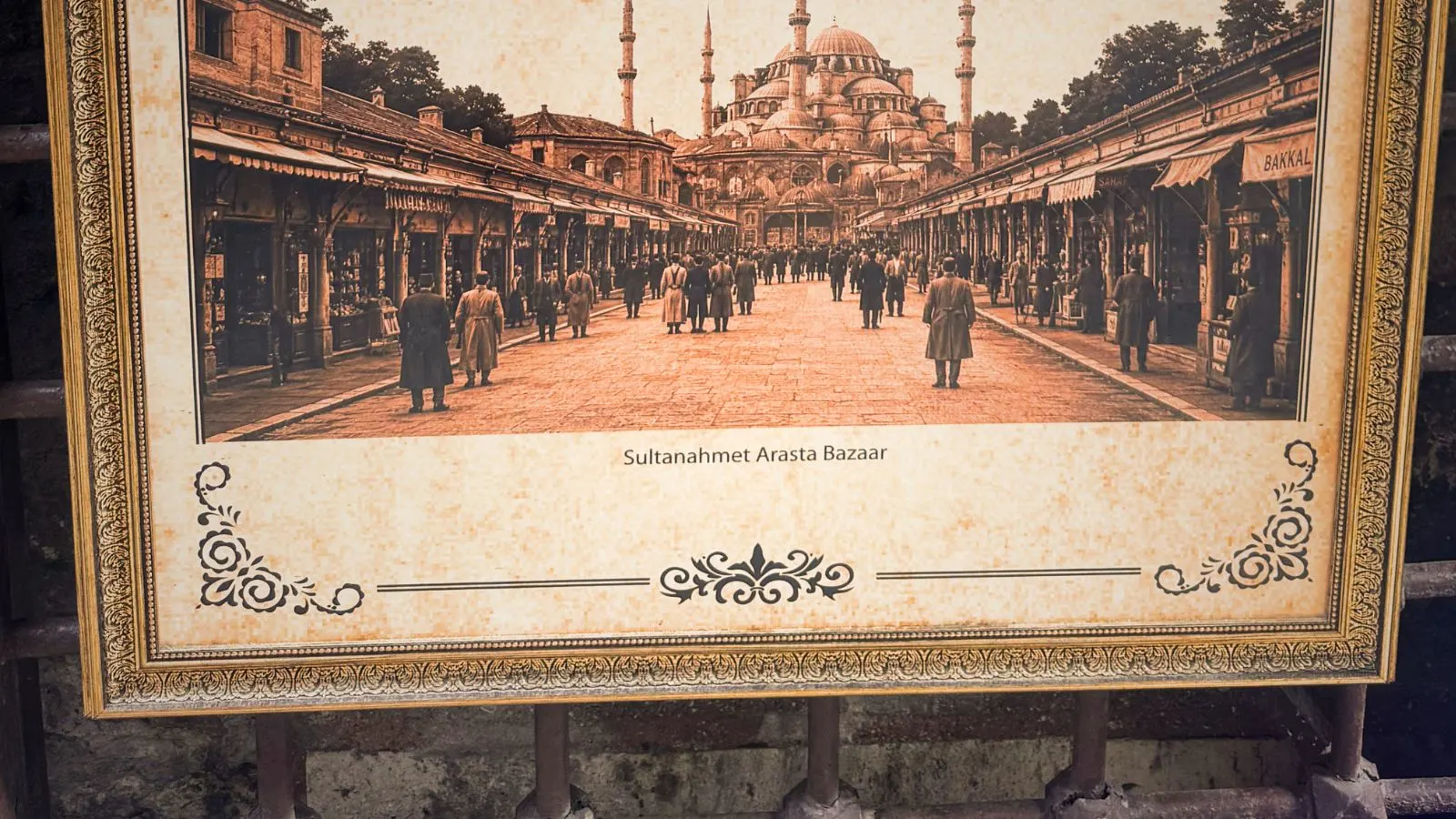
historical-illustration-of-sultantahmet-arasta-bazaar-hanged-on-a-street-istanbul
marmara-sea-at-sunrise-sultanahmet
restaurants-in-sultanahmet-streets-istanbul
sultanahmet-mosque-gate-istanbul
sultanahmet-restaurants-istanbul
traditional-turkish-carpet-weaving-sultanahmet-istanbul
view-of-blue-mosque-istanbul