




Lake Orta: A Village That Refuses Attention
View Gallery
4 Photos
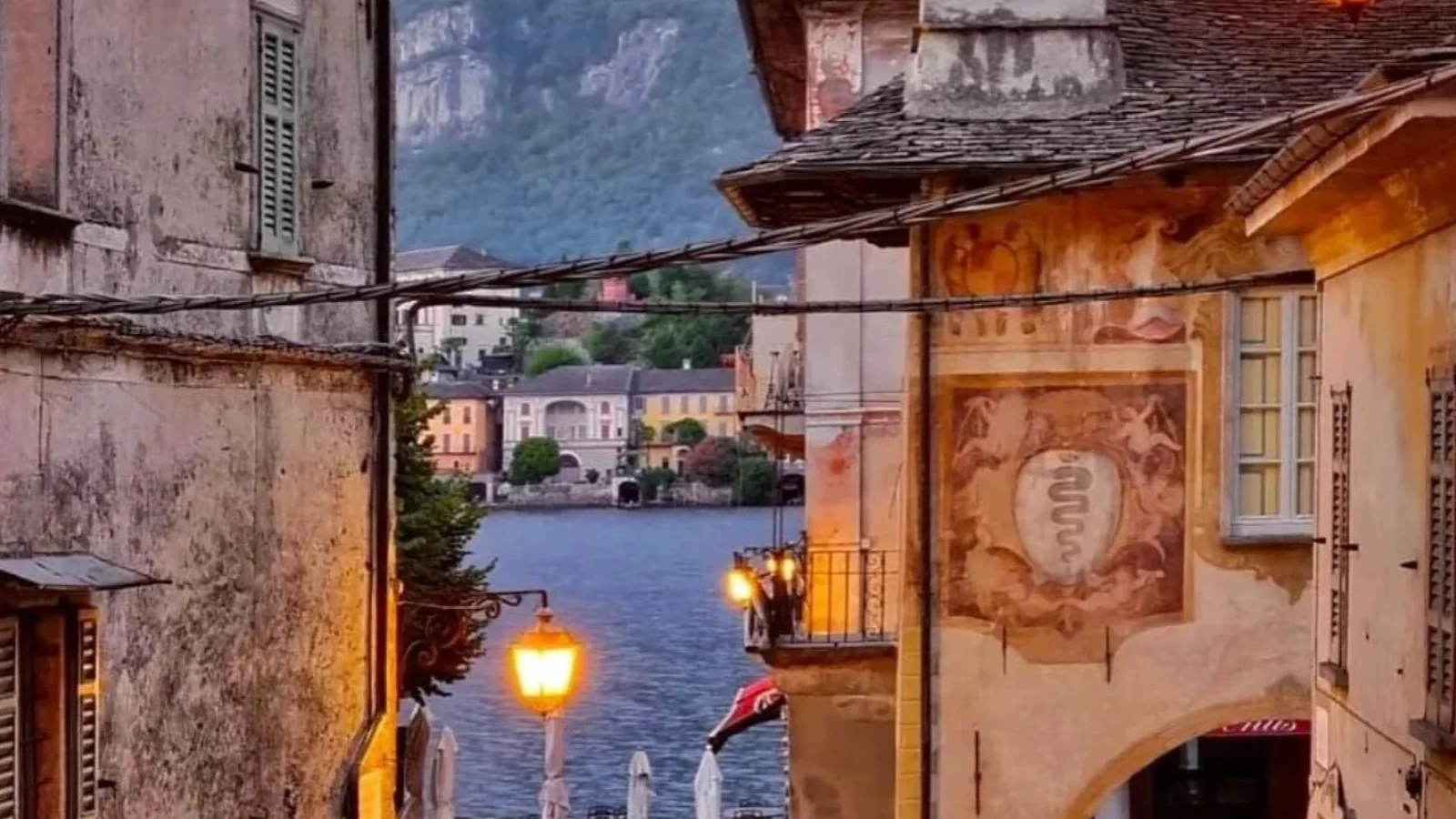
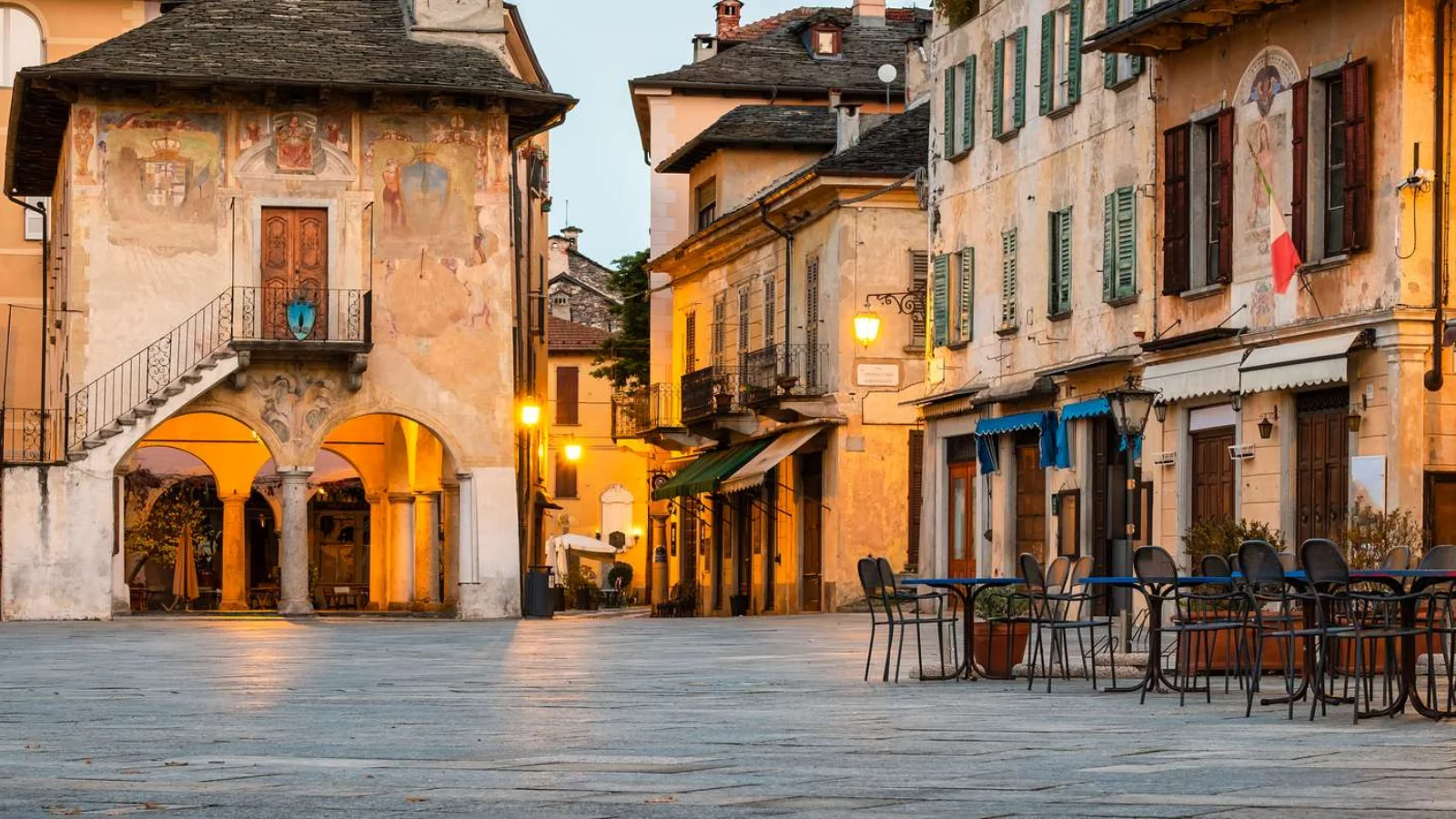
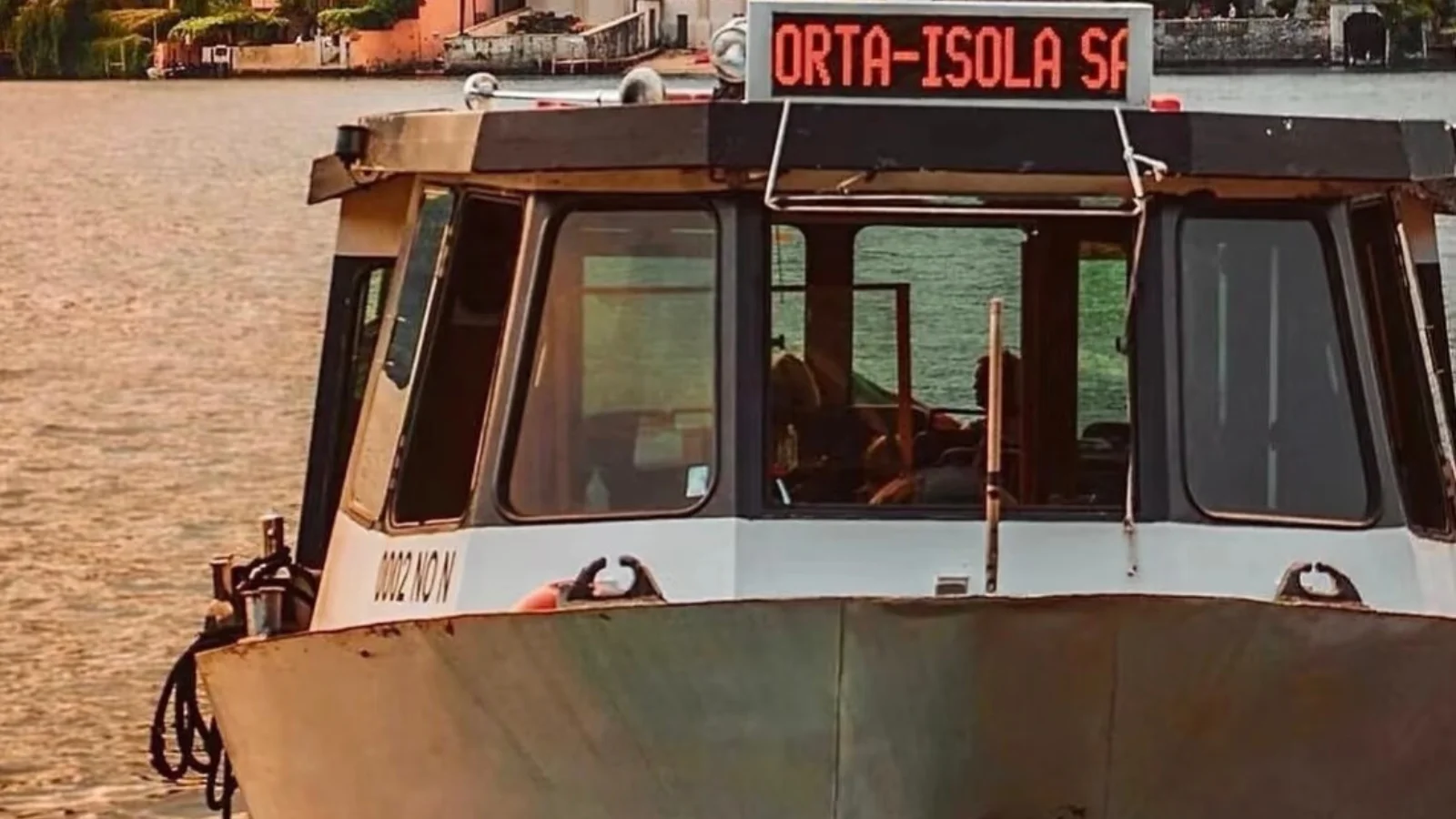
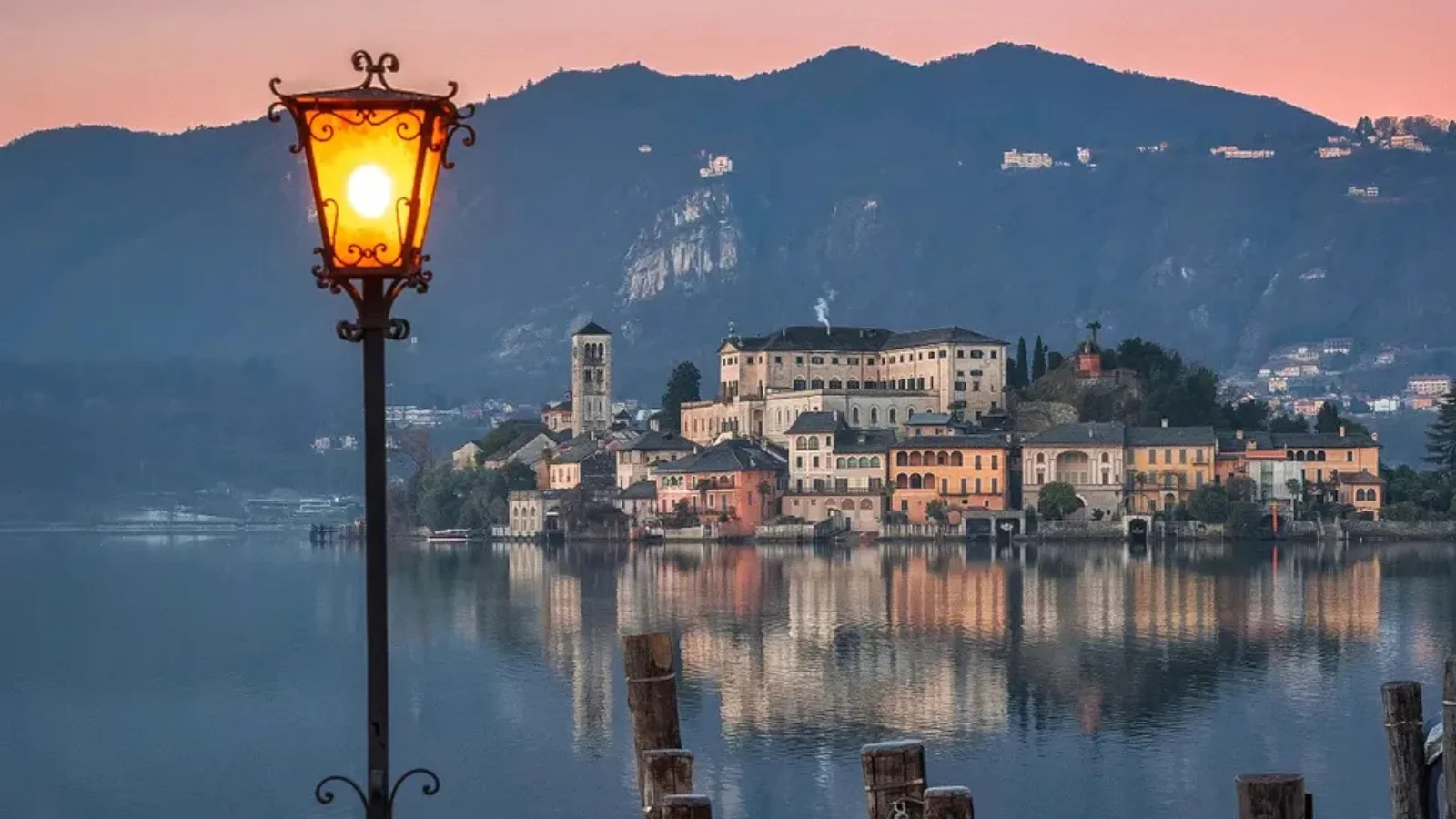
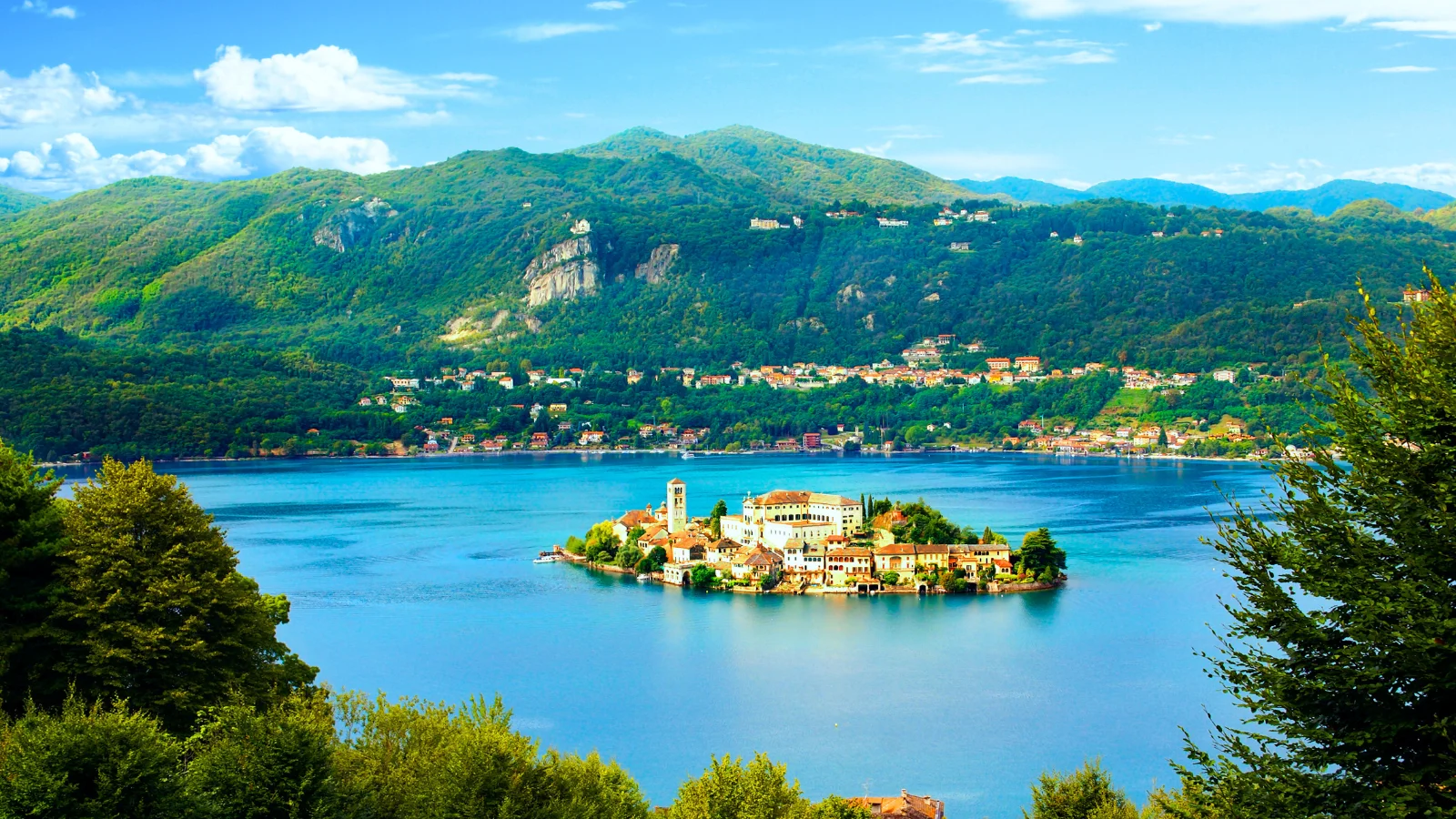
Orta does not try to be noticed.
Set quietly along the edge of Lake Orta in northern Italy, the village rarely appears alongside the country’s more familiar destinations. It does not compete in scale, nor does it rely on cultural weight or visual spectacle to define itself. There is little here that attempts to attract attention directly. And yet, it holds it — just not in the way most places do.
Orta’s character is shaped less by what it offers, and more by what it has never tried to become.
The village remains small, contained, and consistent. Stone streets move gently through the town, passing cafés and quiet corners that feel unchanged rather than curated. Nothing seems designed to accelerate movement. There is no pressure to move forward, and no structure that pushes you toward a sequence of highlights.
It can feel, at first, slightly distant. Not unwelcoming — just uninterested in adapting.
This is where Orta begins to take its shape. Without the usual signals that guide a visitor — landmarks, crowds, clear transitions — the experience becomes harder to define. There is no immediate sense of arrival, and nothing that clearly tells you what matters.
You have to stay a little longer. Because Orta does not reward movement. It responds to attention.
Passing through quickly often leaves very little behind. The streets blur into one another, and the experience feels quieter than expected. But with time, something begins to settle. The repetition of the same paths, the stillness of the lake, the consistency of the scale — all of it starts to feel intentional.
What once seemed uneventful becomes precise. Orta is not a place to complete. It is a place that becomes clearer each time you return to it.
That same sense of restraint carries into how the village is held. There is little effort to expand or reframe the experience. The environment is not layered with additional offerings, nor does it attempt to stretch beyond its natural pace. What exists is preserved, rather than extended. And that is where its value sits.
Places like Orta do not rely on variety to remain engaging. They depend on continuity — on the ability to remain consistent without becoming repetitive.
This distinction becomes particularly relevant in how smaller stays and local operators function within a setting like this. The role is not to introduce contrast or stimulation, but to align with what is already present. To hold the same rhythm, rather than interrupt it.
The experience is not built outward. It is held in place.
Orta does not try to meet expectations. It simply remains what it is.
And for those willing to adjust to that, it becomes something much harder to replicate elsewhere.