



The Shared Oven: Inside Fes Communal Oven Tradition
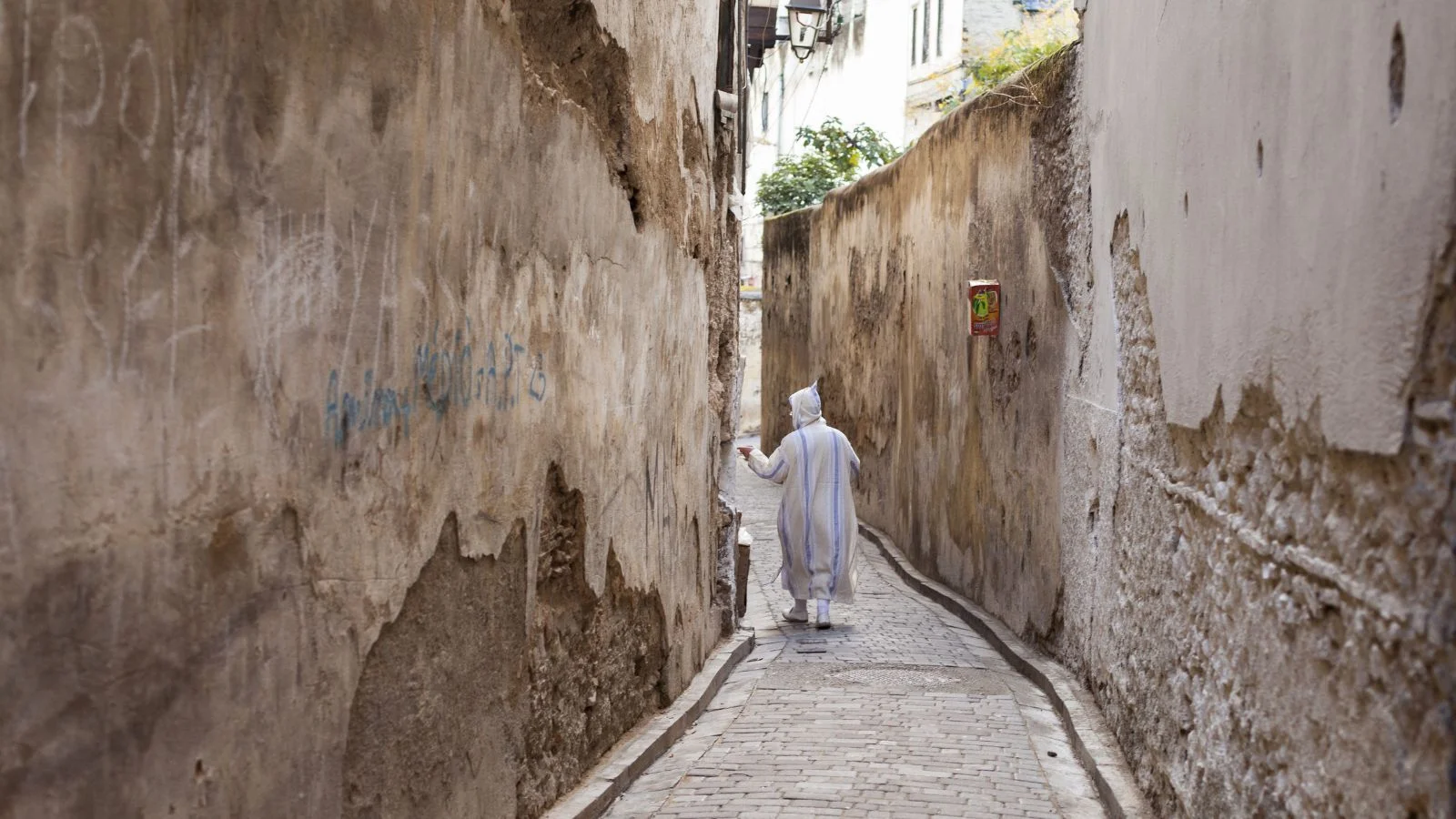
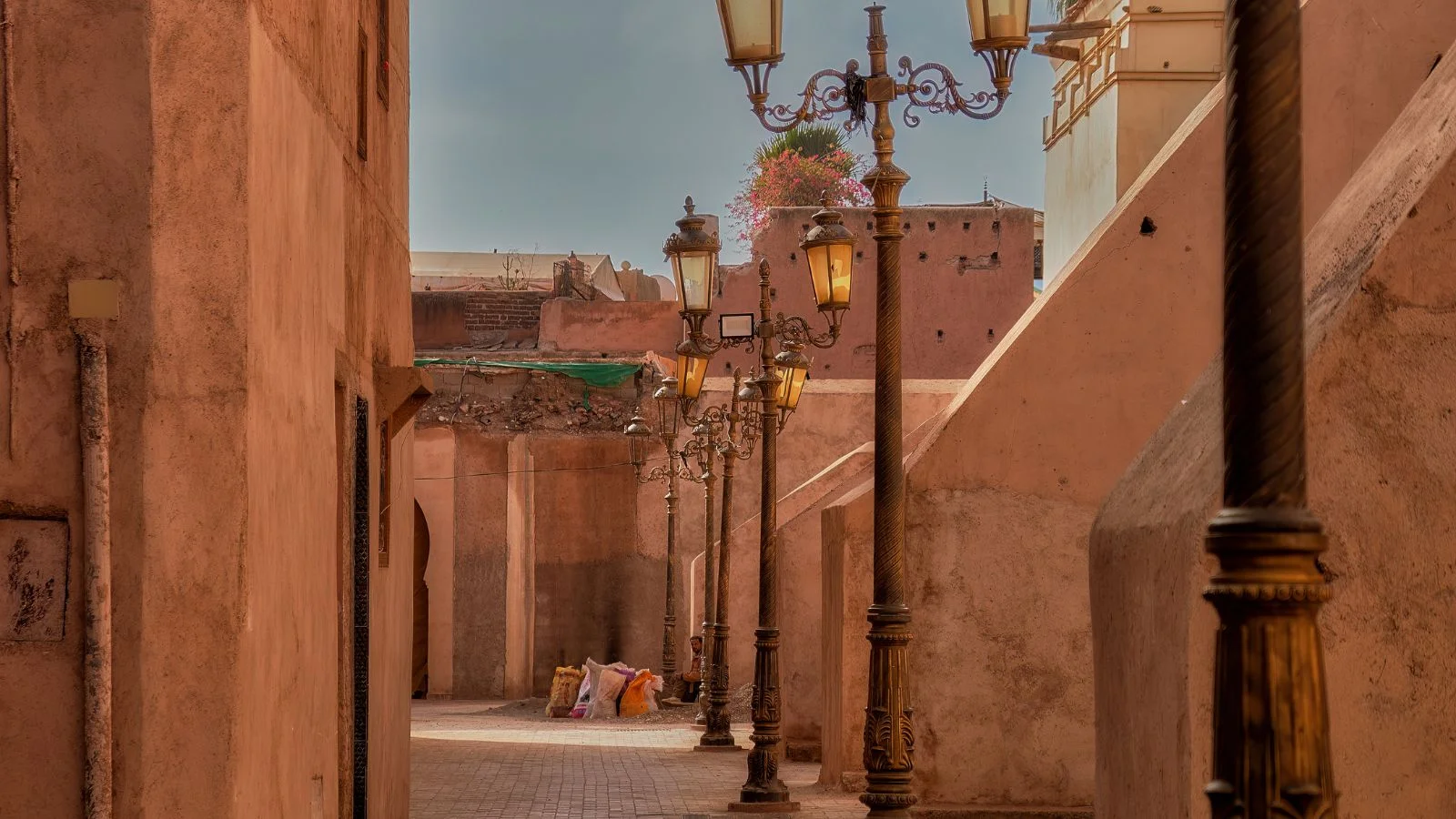
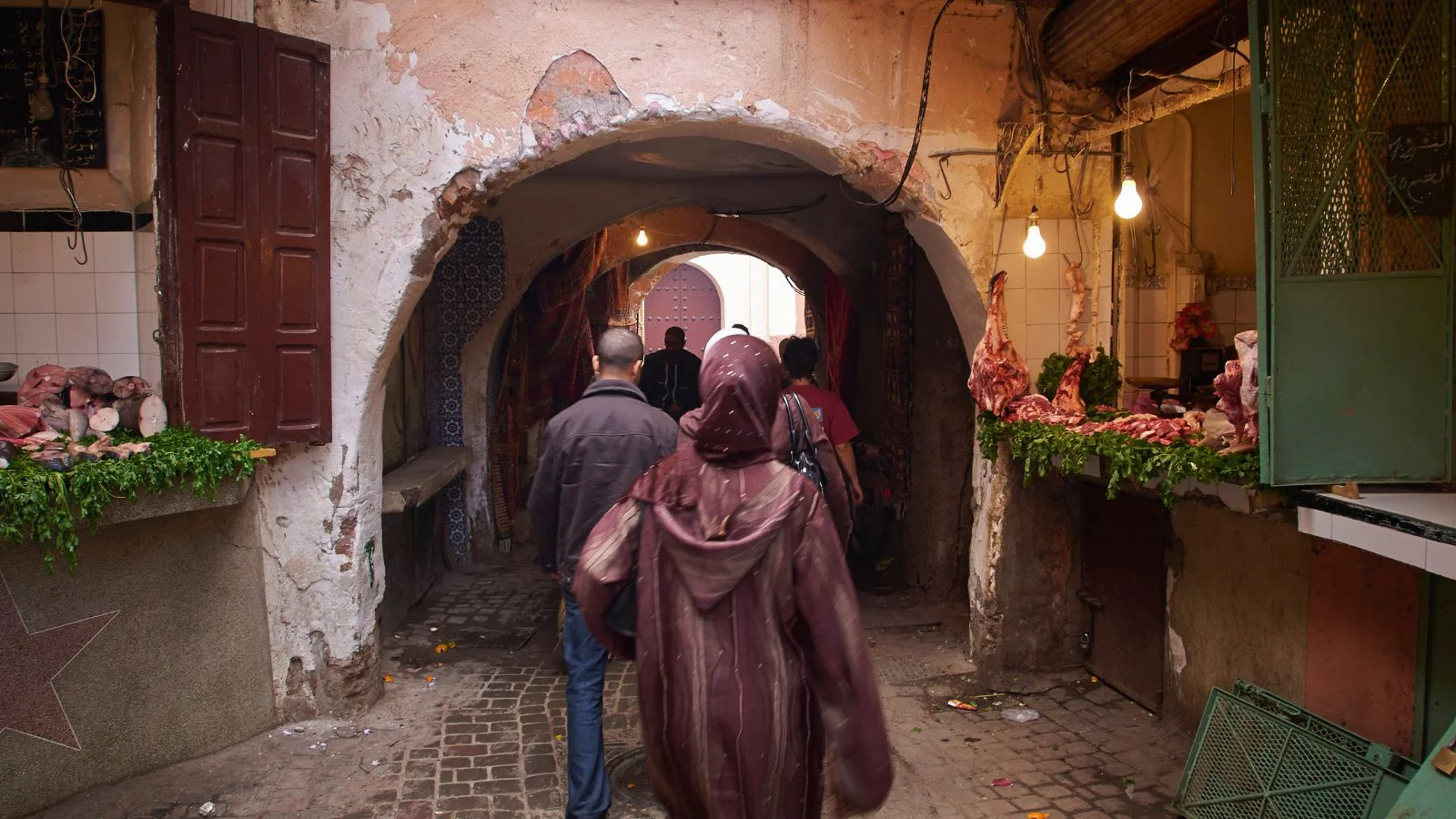
Long before the cafés begin serving breakfast and before most visitors find their way into the winding streets of Fès el-Bali, another morning ritual is already underway. The narrow lanes are still quiet. Wooden shutters remain closed. The scent of cedar and damp stone lingers in the cool air before the heat settles over the medina. One by one, doors begin to open, and neighbours step outside carrying round wooden boards covered with cloth. Resting beneath each cloth is freshly kneaded dough, prepared at home only minutes earlier. They are not walking to buy bread. They are walking to bake the bread they have already made.
For many first-time visitors, the scene barely registers. It looks like an ordinary morning errand, easy to overlook while searching for famous monuments or colourful souks. Yet hidden inside this simple routine is one of the oldest working systems of neighbourhood cooperation still quietly operating inside Morocco’s historic medinas. It is not preserved for tourists. It was never designed to be admired. It simply continues because it still works.
More Than an Oven
The destination is the ferran—the traditional communal oven that has served neighbourhoods across Morocco for generations. Calling it a bakery would be misleading.
A ferran does not exist primarily to sell bread. Instead, it provides something many historic homes were never designed to have: a large wood-fired oven capable of producing the steady, intense heat needed to bake proper Moroccan bread.
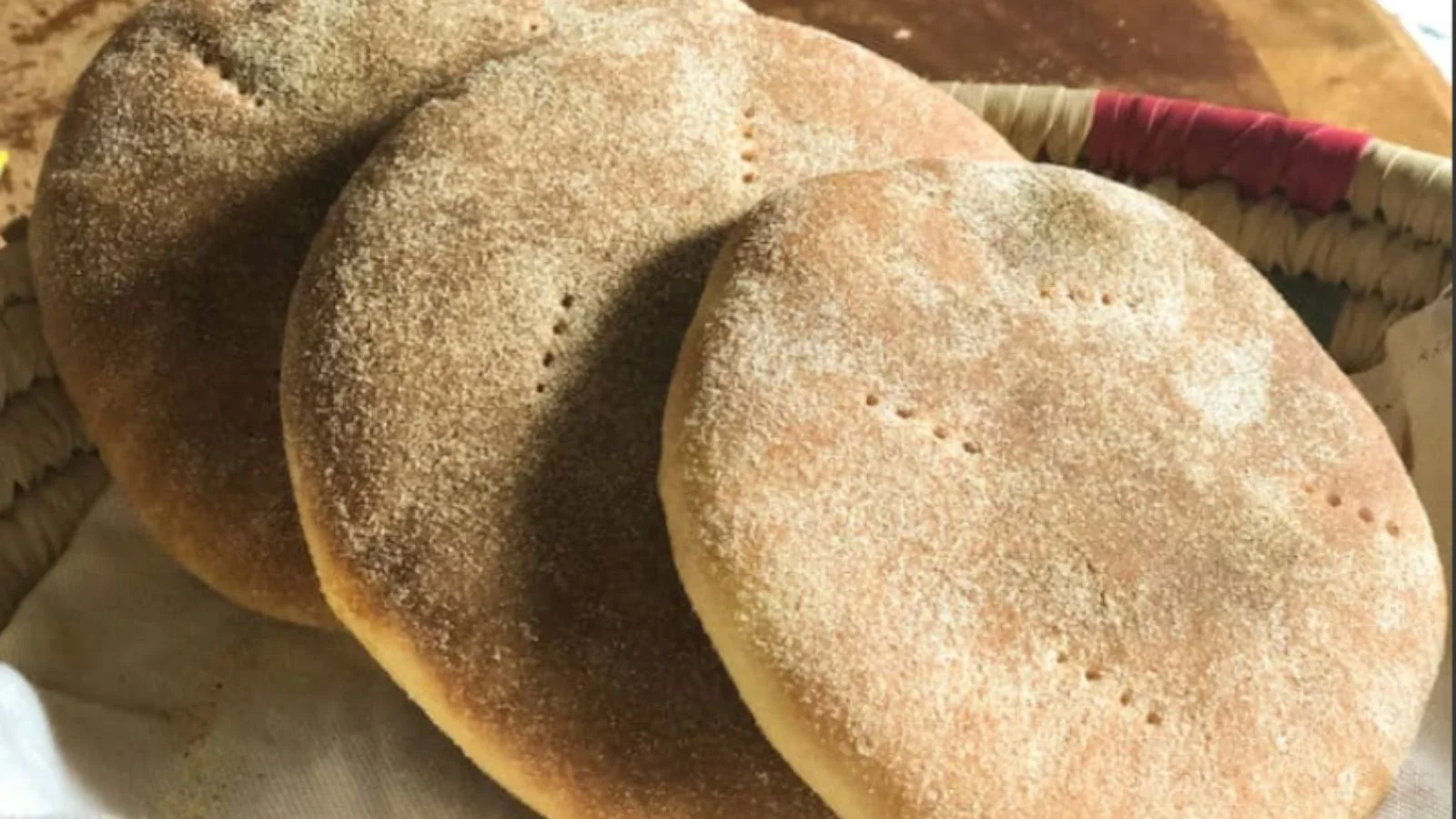
Inside the home, families prepare everything themselves. Flour is mixed, dough is kneaded, recipes follow rhythms that often change little between generations, and each household shapes its own round loaf of khobz according to family tradition.
Before leaving the house, however, one final step takes place. Each loaf receives its own mark. Sometimes it is a carved wooden stamp passed down through generations. Sometimes it is a simple metal imprint, initials pressed by hand, or a distinctive family symbol. Whatever form it takes, the purpose is always the same. It identifies the bread before it ever reaches the fire.
The marked dough is then carried through the neighbourhood to the ferran, where dozens of families arrive throughout the morning carrying loaves that, to an outsider, appear almost identical.
A System That Solves a Very Practical Problem
By the middle of the morning, hundreds of loaves may be waiting to enter the same oven. Without a reliable way to distinguish them, every family would leave wondering whether the bread they carried home actually belonged to them. The stamped markings solve that problem with remarkable simplicity.
The fernatchi—the keeper of the communal oven—slides every loaf into the wood-fired chamber according to the rhythm of the day’s work rather than the identity of its owner. Once baking is complete, he identifies each loaf by its unique mark and quietly returns it to the family that prepared it only hours earlier.
No receipts.No written records.No numbered tickets. Only recognition, experience, and a shared understanding that has been refined through decades of daily repetition.
What appears to visitors as an ordinary stamp is, in reality, the foundation of an entire neighbourhood system built on practical trust. It is an elegant solution to a simple problem, developed long before digital tracking, labels, or barcodes ever existed. And perhaps that is precisely why it remains so compelling today.Its sophistication is almost invisible.
Unlike many traditions that have gradually become performances for visitors, the ferran continues to exist for the people who rely on it. Even when travellers pass its doorway, nothing changes. The oven does not pause. No one explains the ritual. No demonstration begins.The work simply continues, exactly as it was intended.
A Living Tradition, Not a Frozen One
Like many long-standing traditions, the communal oven has changed with time. Modern kitchens, gas ovens, and commercial bakeries have gradually reduced the need for shared ovens in many parts of Morocco. Not every household in Fès still relies on a ferran every morning, and the practice is stronger in some neighbourhoods of the old medina than in others. That evolution matters.
One of the quiet misconceptions of slow travel is the expectation that historic places should remain untouched in order to feel authentic. Real communities rarely work that way. They adapt, modernise, and preserve different traditions at different speeds.
The ferran survives not because it has been frozen in history, but because it continues to serve a purpose where people still find value in using it. That distinction is important. Culture is rarely static. It is something negotiated every day between memory and practicality.
Seeing the System Instead of the Spectacle
Many visitors walk through Fès searching for moments that feel uniquely Moroccan. The communal oven offers one of those moments—but only if it is understood for what it is. There is no performance waiting behind its doorway. No scheduled demonstration. No carefully staged experience for visitors. The most meaningful part of the ritual is its complete indifference to being observed.
Families arrive because they need bread for the day ahead, not because someone is holding a camera nearby. Watching the exchange quietly reveals something larger than baking itself. It reveals how trust becomes infrastructure. Each stamped loaf represents confidence that a neighbour, often someone known only through years of routine, will return exactly what belongs to each household without confusion or ceremony.
It is an ordinary act repeated thousands of times until it becomes invisible and that invisibility is precisely what makes it culturally significant.
How to Experience It Respectfully
Travellers hoping to see a working ferran should arrive early, ideally before eight o’clock in the morning, when neighbourhood activity is at its busiest. The active communal ovens are usually found away from the busiest tourist routes, tucked inside residential streets where daily life continues largely unchanged. A riad host or knowledgeable local guide can often point visitors towards one still operating regularly.
The experience asks for very little. Stand back. Observe quietly. Resist turning the moment into content before understanding what is actually happening. If your accommodation still sends its bread to a neighbourhood ferran, ask whether you may accompany the journey. Carrying a simple round of dough through unfamiliar streets may seem insignificant, yet it offers something photography alone never can. For a few minutes, you stop observing the system from the outside and briefly become part of its rhythm.
Why It Matters Beyond Fès
Travel often teaches us to notice remarkable buildings, dramatic landscapes, and famous monuments. The ferran teaches something quieter.
Some of the most meaningful cultural experiences are not monuments at all. They are practical systems that communities created long before visitors arrived—solutions shaped by everyday life rather than by heritage preservation. They continue because they remain useful. The stamp pressed into a loaf of bread is not decoration. It is not branding.It is not tradition performed for an audience.
It is simply the most efficient way to ensure that every family returns home with the bread they prepared that morning. Perhaps that is the deeper lesson waiting inside the old medina of Fès. The richest cultural experiences are often the ones that carry on exactly the same whether anyone is watching or not.