

Paths Through Silence:Togakushi, Japan
View Gallery
4 Photos
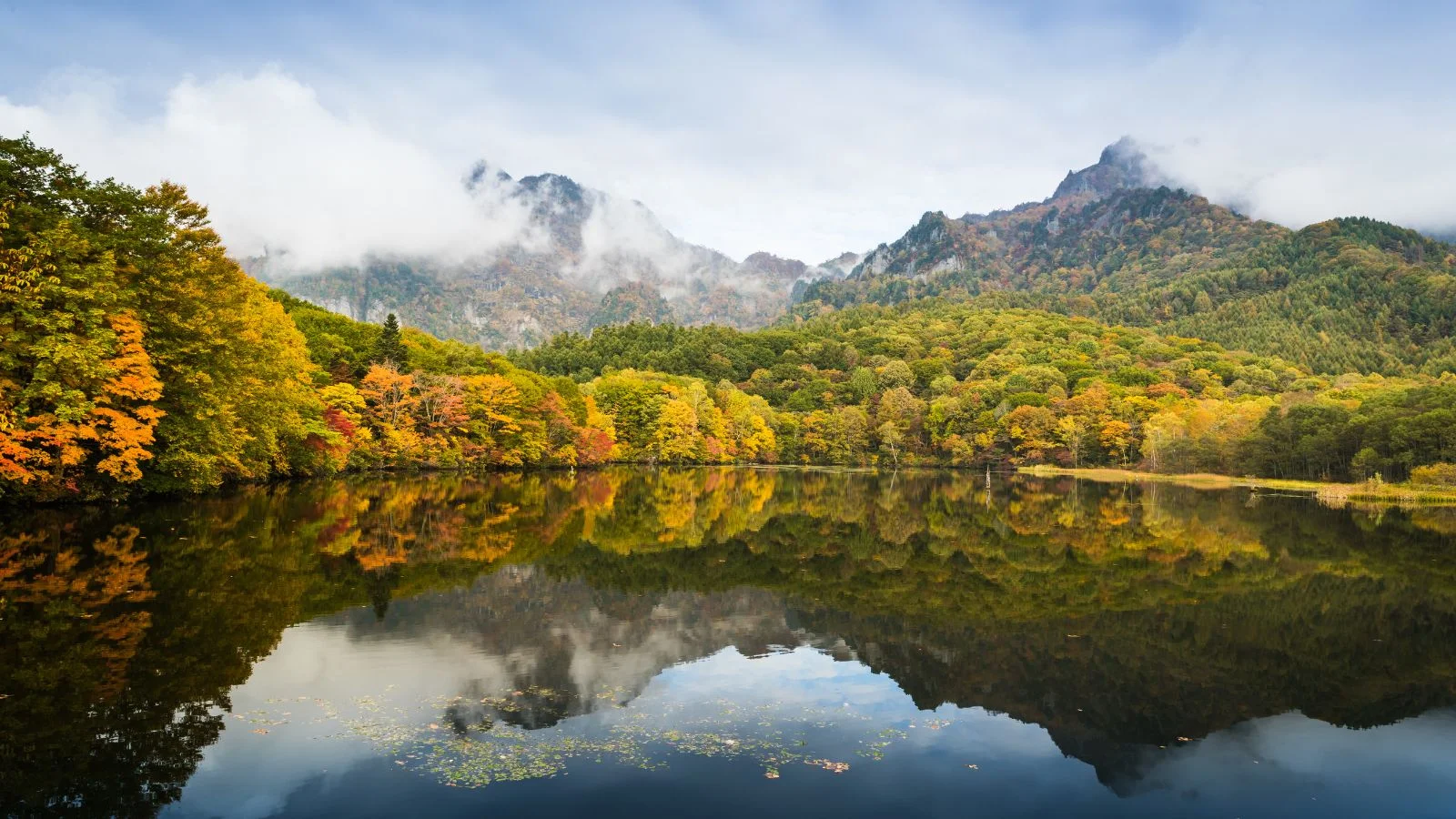
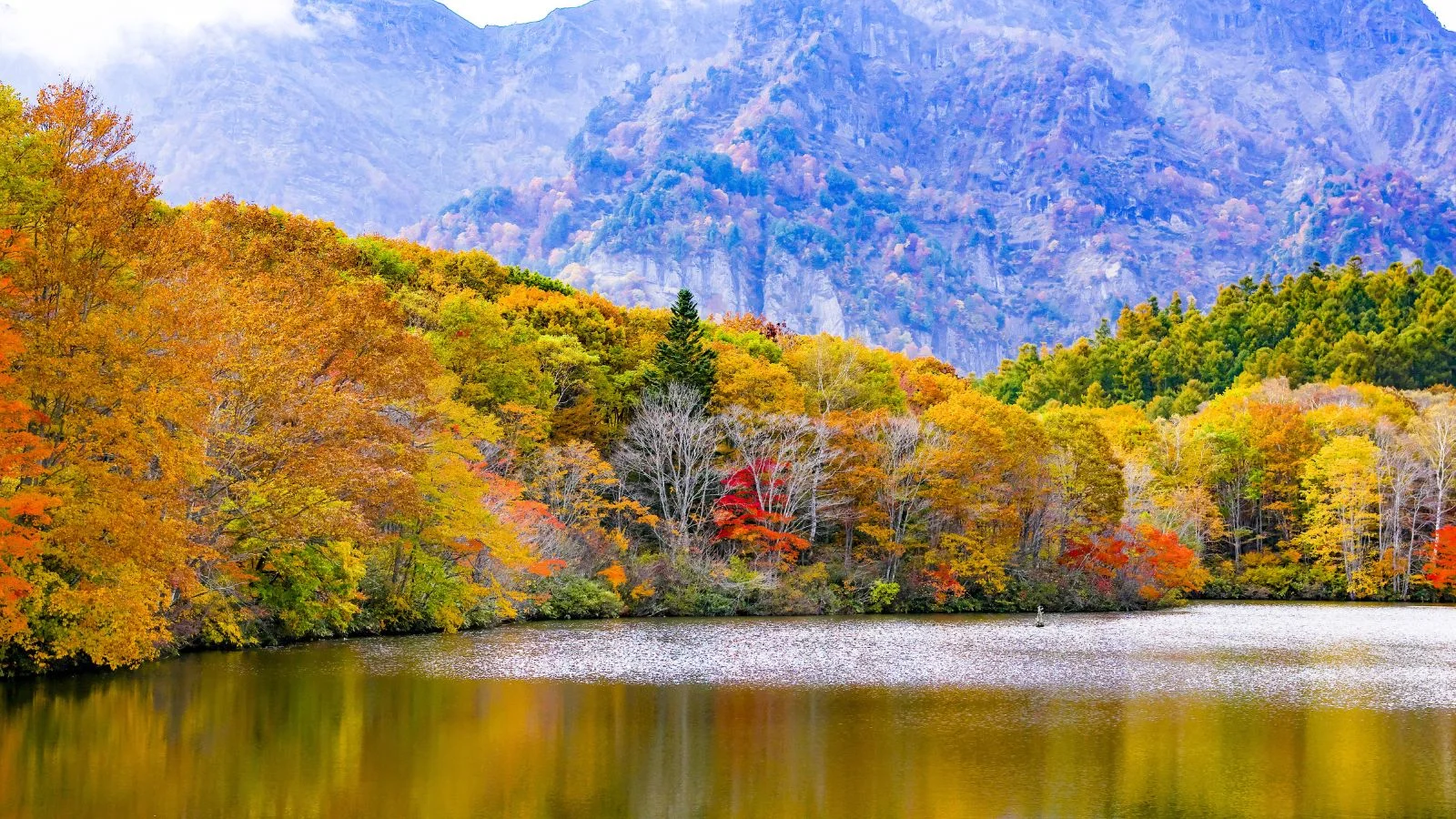
In Japan, there are places that guide the day almost without effort—clear routes, visible landmarks, an expected sequence. Togakushi sits outside that pattern. It does not arrange itself into a single narrative, nor does it offer an obvious way to move through it. What it offers instead is a landscape that reveals itself in fragments, connected not by proximity, but by the act of walking.
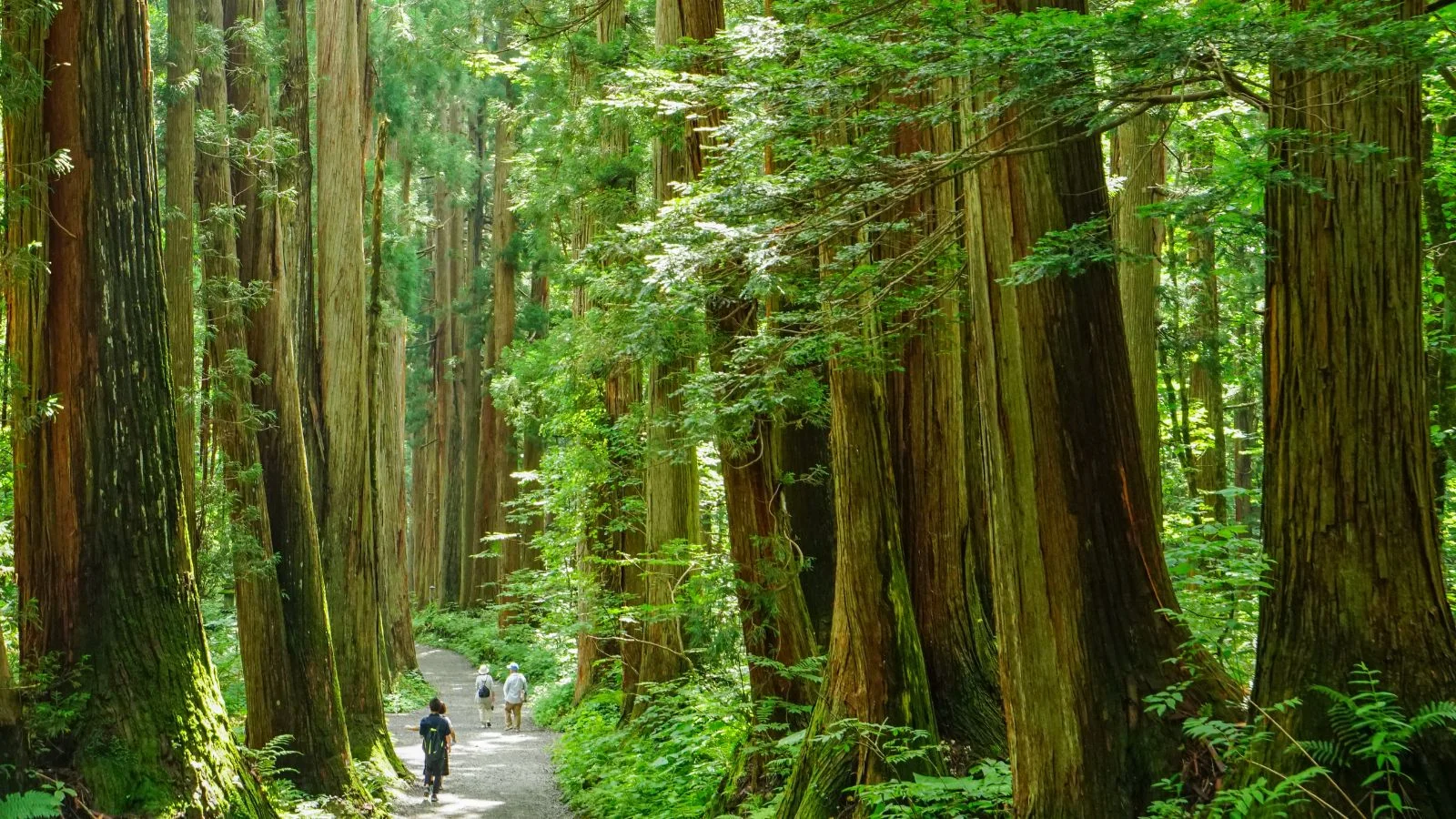
Set in the mountains of Nagano, Togakushi is formed around a series of shrines—Hokosha, Chusha, Kuzuryusha, Okusha, and Hinomikosha—spread across forested terrain rather than gathered in one place. The distance between them is part of the experience. The cedar-lined approach to Okusha is often the most remembered, but its impact comes less from spectacle and more from scale and continuity. The trees do not frame a moment; they extend it.
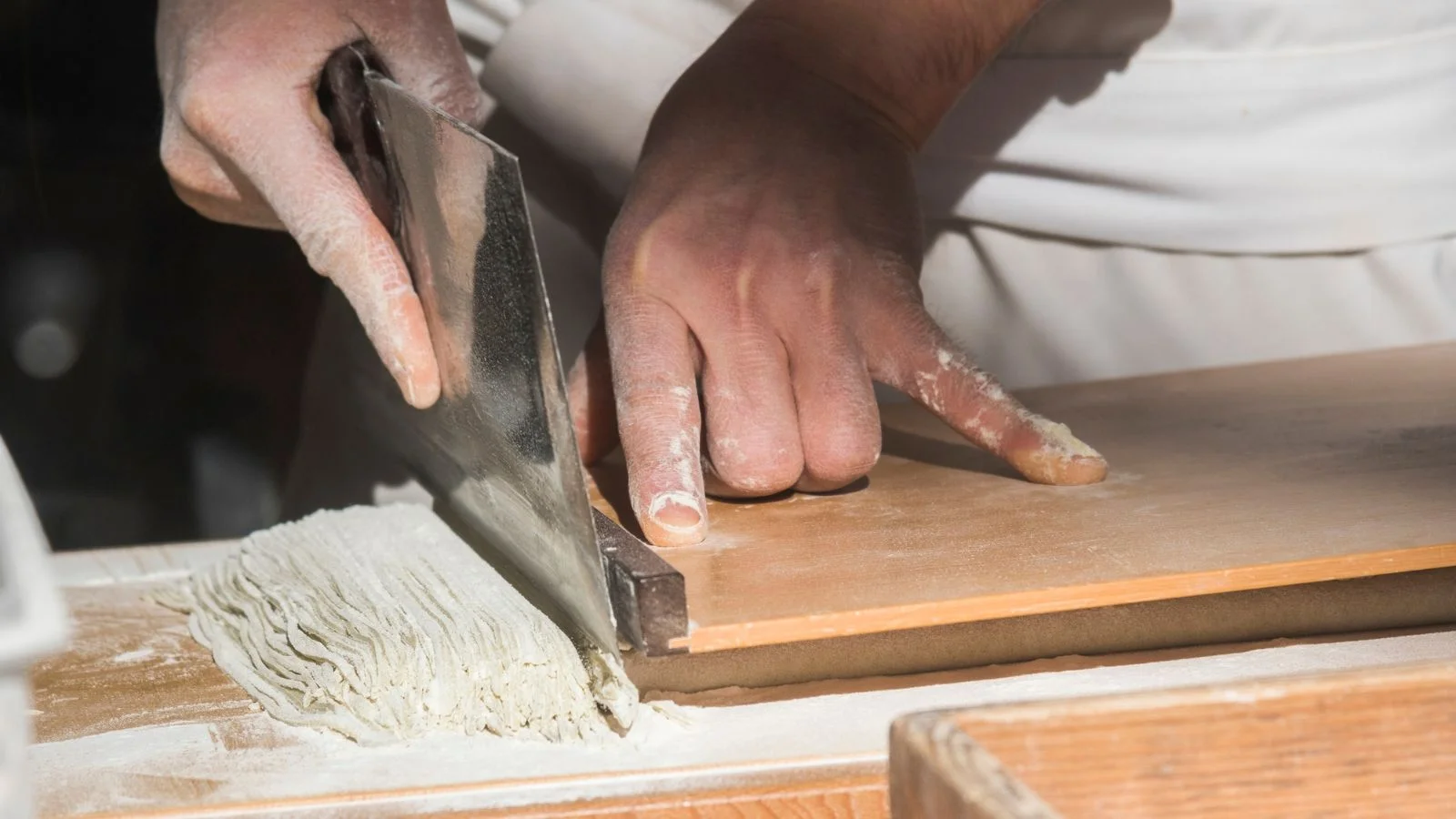
The surrounding environment remains restrained. A handful of soba houses, small inns, and local dwellings appear intermittently, never overwhelming the landscape. Togakushi soba, made from regional buckwheat, is less a highlight than a quiet constant—served in ways that reflect the place rather than interpret it.
What distinguishes Togakushi is not simply what is there, but how it is encountered. Movement slows without instruction. Paths take longer than expected, not because of difficulty, but because they do not invite haste. Walking becomes less directional and more observational. Returning along the same route does not feel like repetition, but continuation.
The atmosphere holds steady across the area. Light filters through dense forest, softening edges and reducing contrast. Sound travels differently—muted, absorbed, or carried in fragments. Even the shrines, when reached, remain integrated within their surroundings, never fully separating themselves from the forest that contains them.
Season introduces variation without altering the structure. Autumn brings density—color gathering across the landscape, narrowing visual space. Winter does the opposite, opening the terrain through snow, where movement becomes more deliberate and the intervals between places feel longer. The rhythm remains, but its texture shifts.
Togakushi tends to suit those who are comfortable with a quieter form of travel—where time is not segmented and movement is not optimized. It offers little to compress, and even less to rush. For those expecting a layered itinerary within a short span, it can feel limited. For others, that absence becomes the point.
The final judgment is measured: Togakushi does not present itself as a destination to complete, but as one to move through more than once. Its value lies in the consistency of its pace, and in the way it allows that pace to extend beyond the walk itself.