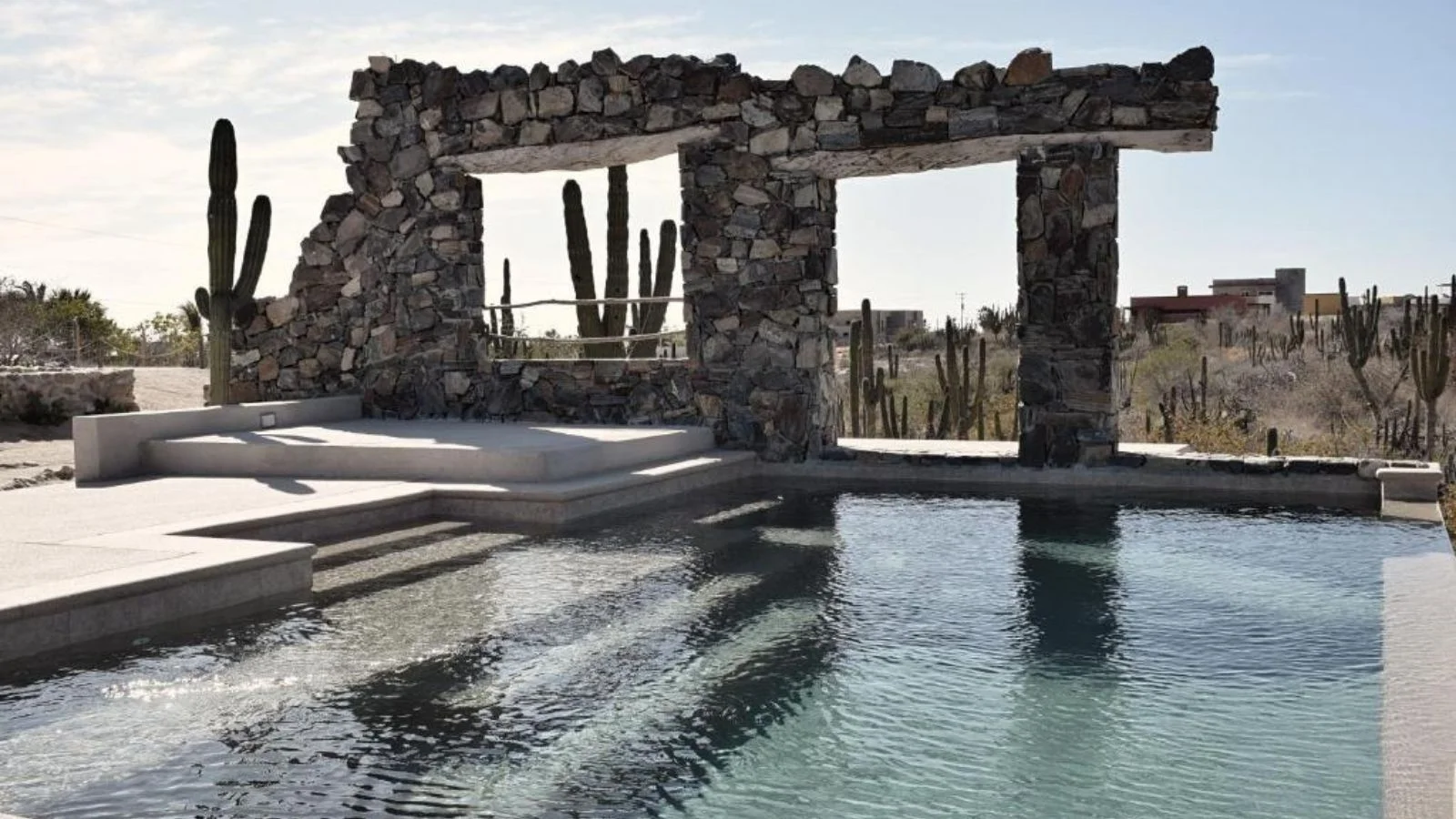
There is a particular frustration in arriving somewhere extraordinary and discovering that the experience has already been arranged around someone else’s priorities. The route is fixed, the stops are predetermined, and even the time spent looking at a landscape may depend on the interests of strangers.
For travelers who value curiosity over completion, this can make an otherwise remarkable journey feel strangely impersonal. What they seek is not necessarily a journey without structure, but the freedom to ask another question, follow an unexpected interest, or remain somewhere without feeling that the next attraction is waiting. There is a quieter desire beneath this independence: to feel that a journey belongs to the person taking it.
At Awasi Atacama, in northern Chile, that idea shapes the experience from the beginning. Individual exploration is not presented as an optional luxury. It is the organising principle of the stay. As explored in our feature on San Pedro de Atacama, the desert invites a different kind of attention — one shaped by its vast landscapes, environmental contrasts, and the histories embedded within them. Awasi offers a particular way of engaging with that setting, allowing travelers to follow their own interests through privately guided exploration.
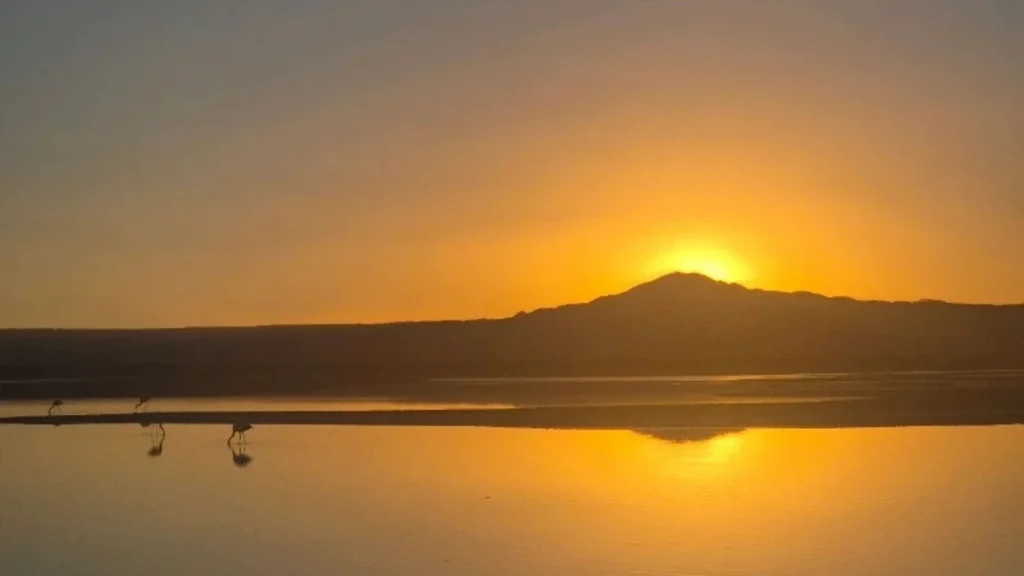
The lodge is located within San Pedro de Atacama, the oasis town from which travelers explore the surrounding desert. Its position challenges the assumption that a retreat offering privacy must also be isolated. The town centre is within walking distance, allowing guests to remain connected to San Pedro rather than experiencing the region exclusively through organised excursions.
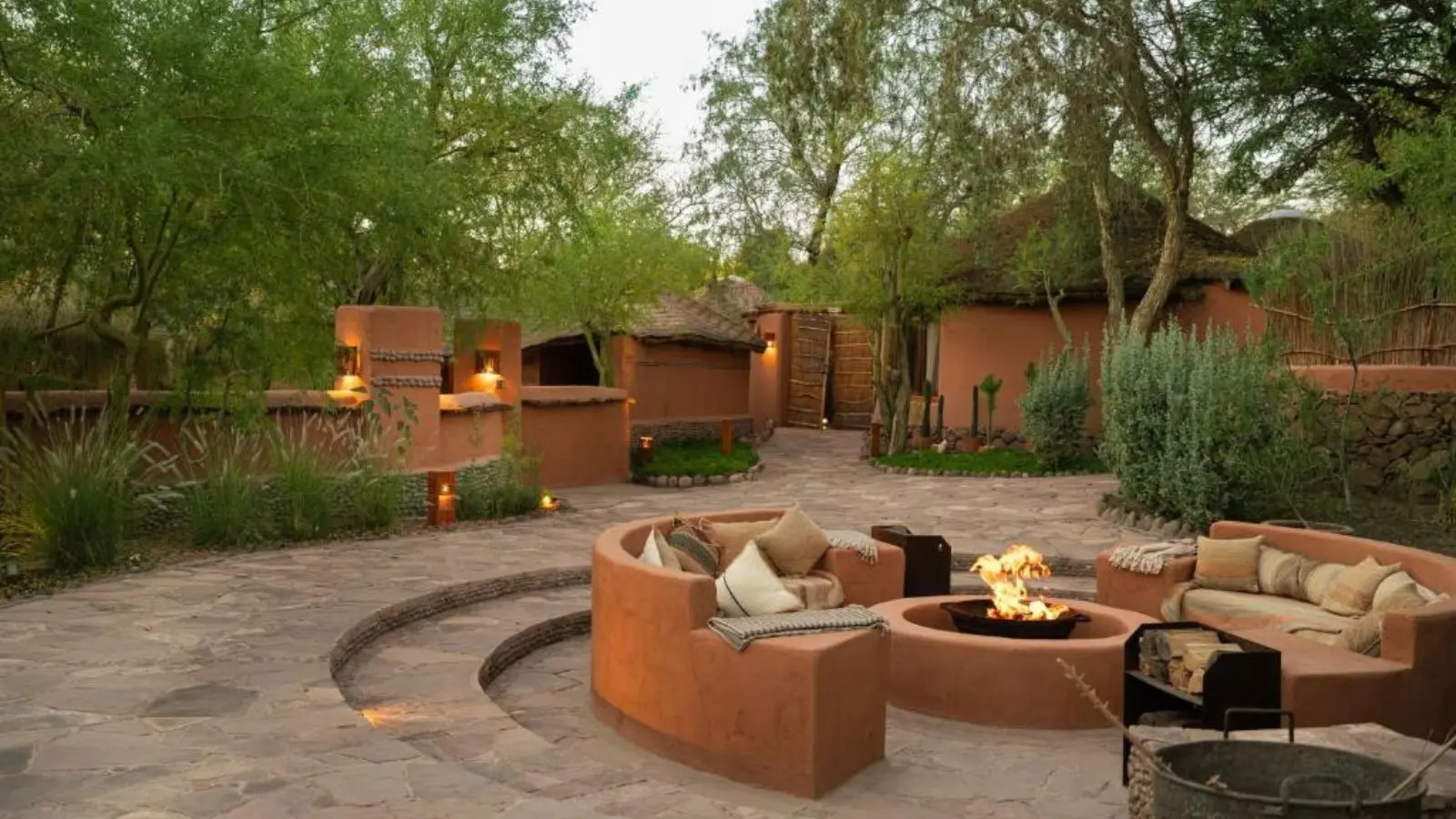
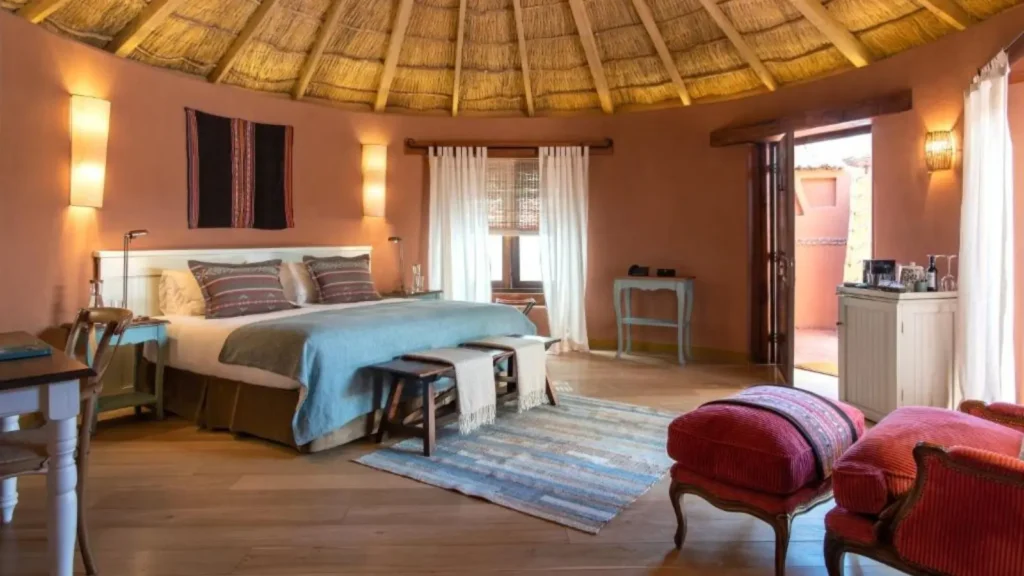
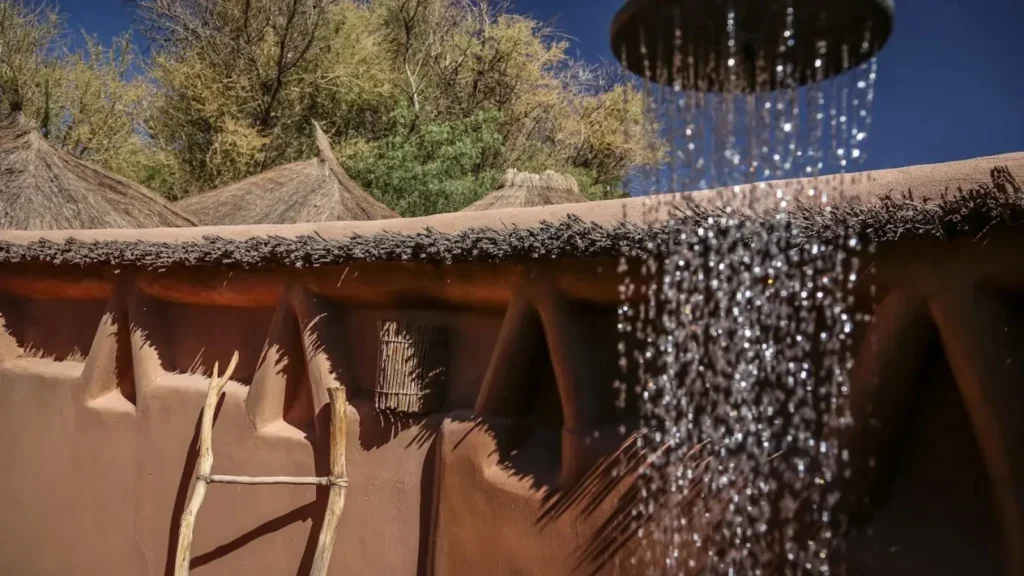
Within the property, twelve circular accommodations create an intimate architectural setting inspired by the region’s traditional building practices. Adobe walls, stone, locally sourced wood and thatched roofs establish a material relationship with the surrounding environment. These references are more than decorative. Earthen construction belongs to a long history of adapting shelter to the conditions of an arid landscape, where strong sunlight and substantial changes in temperature have shaped the way buildings are made.
The lodge’s relatively enclosed scale provides a contrast to the vast geography beyond San Pedro. It offers a protected place to return to without attempting to compete with the landscape itself.
A Different Relationship With the Desert
At Awasi, each room is assigned a private guide and a four-wheel-drive vehicle for the duration of the stay. This is the defining feature of the property’s hospitality model, and it changes more than the logistics of an excursion.
In many remote destinations, exploration is organised around fixed departure times, shared routes and group priorities. Awasi replaces that arrangement with an individually planned programme developed through conversation between the traveler and guide.
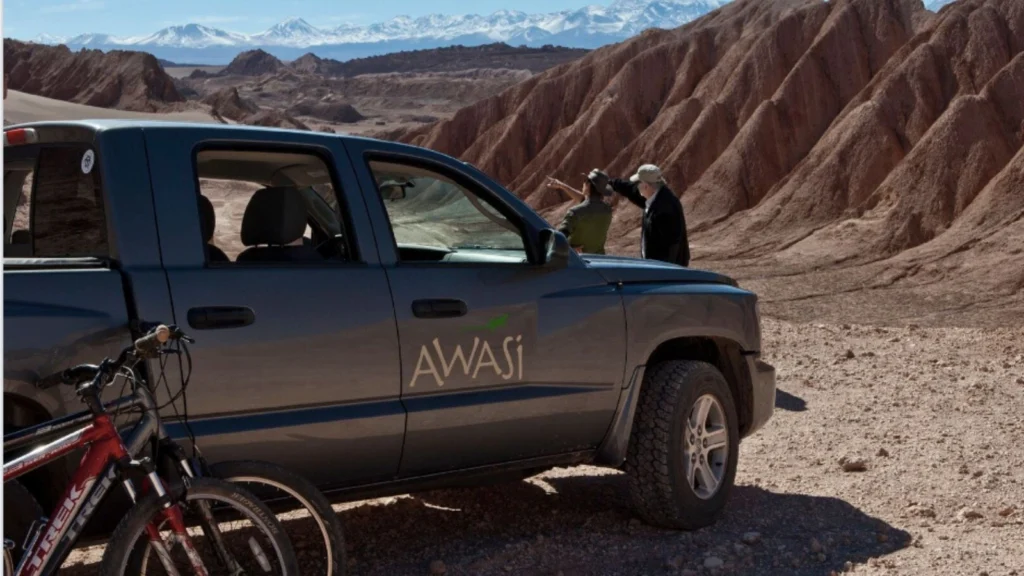
An interest in archaeology may lead to one kind of journey; geology, wildlife or the desert’s night sky may lead to another. Rather than treating every landmark as a necessary stop, the itinerary can reflect what the traveler genuinely wants to understand.
This flexibility is particularly relevant in Atacama. San Pedro lies approximately 2,450 metres above sea level, while some excursions reach considerably higher elevations. Distances, weather and physical comfort can influence what is practical on any given day. The ability to adjust activities is therefore both an expression of personal hospitality and a sensible response to the environment.
The guiding principle is straightforward: expertise should support curiosity rather than replace it with a predetermined experience.The relationship between guest and guide becomes especially important in this setting. Spending several days with the same guide creates an opportunity for questions and conversations to develop beyond the structure of a conventional tour.
A landscape that initially appears empty may reveal geological complexity, ecological relationships or traces of earlier human settlement once someone explains what to notice. Atacama has a long history of Indigenous communities, settlement and cultural exchange. Its archaeological sites and inhabited oases demonstrate that the desert has never been simply an unoccupied wilderness; therefore, a knowledgeable guide can connect the visible landscape with these less immediately apparent histories. The depth of that exchange will naturally depend on the guide’s expertise and the traveler’s interests, but Awasi’s model allows the conversation to continue across several days rather than beginning again with each excursion.
Architecture Rooted in Place
Awasi’s circular accommodations draw inspiration from Tulor, an ancient settlement south of San Pedro de Atacama. The reference is significant because it connects the lodge’s architectural identity with a regional tradition rather than an imported idea of desert luxury. The materials and proportions associated create a sense of enclosure and intimacy against the openness of the surrounding desert.
The property’s culinary approach provides another connection with northern Chile. Its guest-only restaurant incorporates local ingredients and works with regional producers, allowing the dining experience to reflect aspects of the destination rather than functioning as an entirely separate luxury offering. Together, architecture and cuisine give the lodge a tangible relationship with place.
That relationship also extends beyond the property. San Pedro is not simply a departure point for spectacular landscapes. It is a functioning town shaped by Indigenous heritage, local commerce and the growing influence of tourism. Its streets and everyday activities offer a different perspective from the salt flats, volcanic formations and remote valleys that dominate most images of Atacama.
Awasi’s location allows guests to explore this environment independently. The distinction matters because a privately guided lodge can otherwise create a complete but carefully managed version of a destination. The hotel provides structured access to the surrounding geography while remaining close enough to the town for experiences outside its organised programme.
Choosing What Deserves Attention
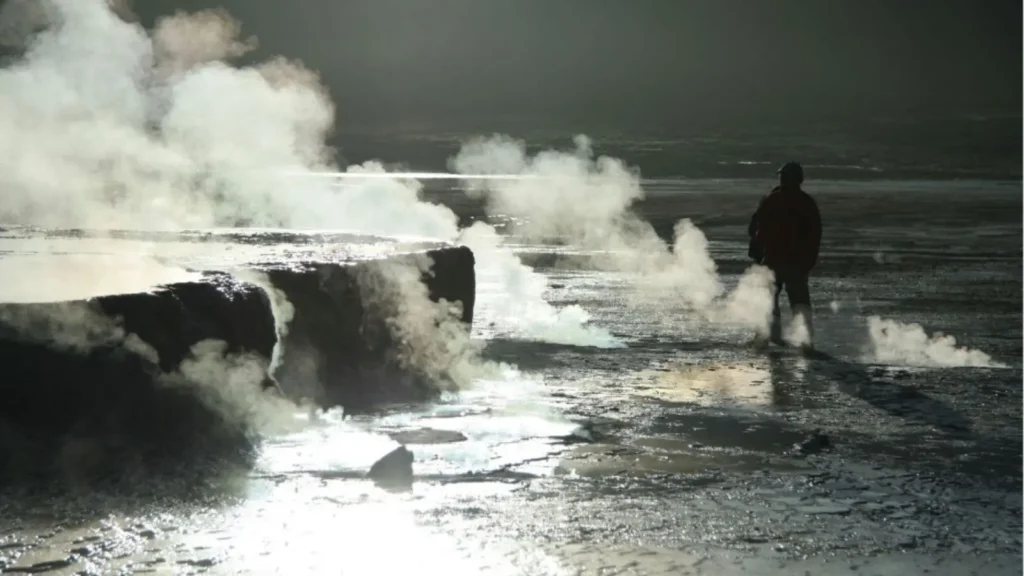
The Atacama Desert contains striking environmental contrasts. Dry valleys and mineral formations give way to high-altitude wetlands, volcanic landscapes and salt flats supporting specialised wildlife. These environments differ not only in appearance but also in distance, altitude and accessibility. Exploring them requires choices.
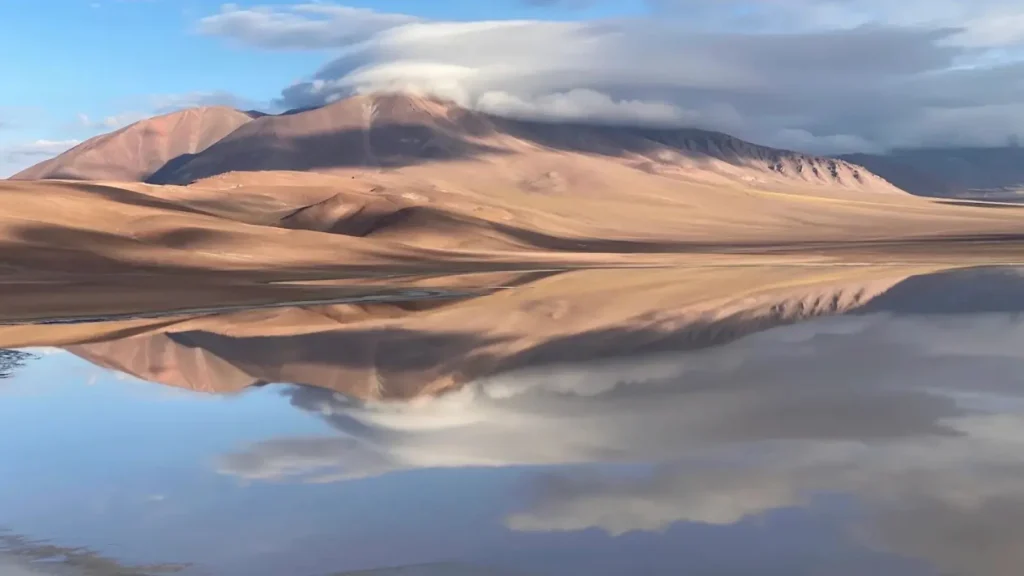
At Awasi, those choices can be shaped by the questions a traveler wants to pursue. Someone interested in the region’s geological history may prefer to concentrate on a particular formation rather than move quickly between viewpoints. Another traveler may focus on archaeological evidence and the relationship between human communities and scarce water resources.
Others may be drawn to the desert’s ecological contrasts or the exceptional visibility of its night skies. These are different ways of understanding the same region, not simply alternative routes through a checklist of attractions.
The freedom to choose also leaves room for changing physical needs. Not every day needs to involve a long journey to higher elevations. Time spent closer to San Pedro or a less demanding excursion may be equally appropriate, particularly while adjusting to the altitude. What emerges is the possibility of developing a coherent personal understanding of Atacama rather than accumulating disconnected highlights.
Awasi’s approach will not appeal equally to everyone. Travelers seeking complete independence may prefer to organise their own journeys, while those hoping for extensive spontaneous interaction with local communities may find the lodge’s privately guided structure more curated than they would like. Yet for travelers who value personal curiosity alongside expert interpretation, the arrangement offers a meaningful balance.
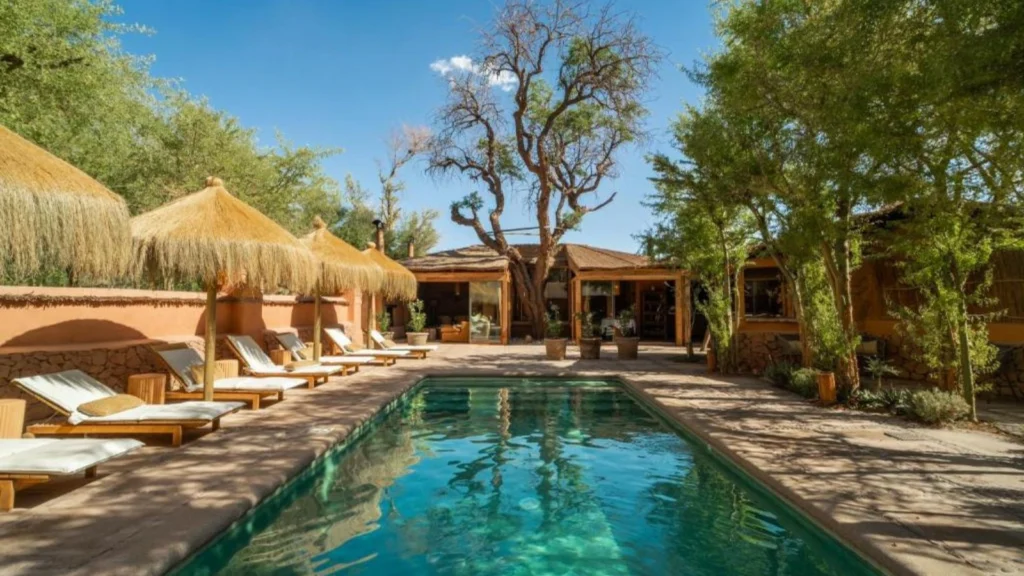
Awasi Atacama’s distinction lies in the relationship between individual choice, knowledgeable guidance and a landscape that demands attention. Its architecture and regional cuisine establish a sense of place, while its location within San Pedro keeps the surrounding community within reach.
The property’s most valuable luxury is not the promise of seeing everything the desert has to offer. It is the opportunity to decide what deserves understanding and to explore it with the freedom that curiosity requires.