



Baie-Saint-Paul: A Different Rhythm in Québec’s Charlevoix
There is a particular appeal to places that offer the pleasures of a town without the demands of a city. Somewhere with restaurants worth discovering, streets that invite wandering, and a cultural life of its own, but where a day does not have to be measured by how many attractions have been visited. For travelers who enjoy being engaged with their surroundings yet occasionally want relief from the pace of larger destinations, finding that balance can be surprisingly difficult.
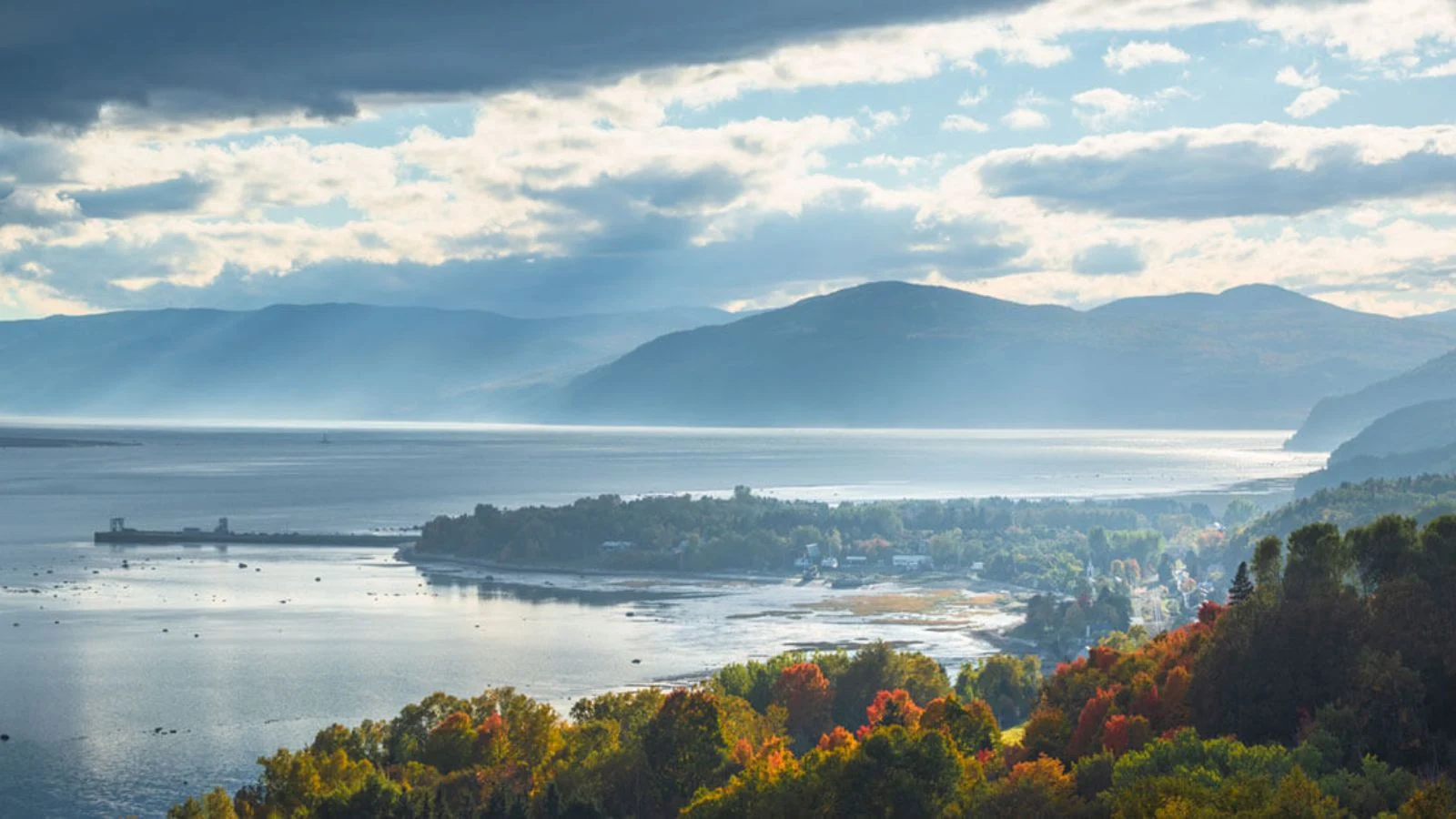
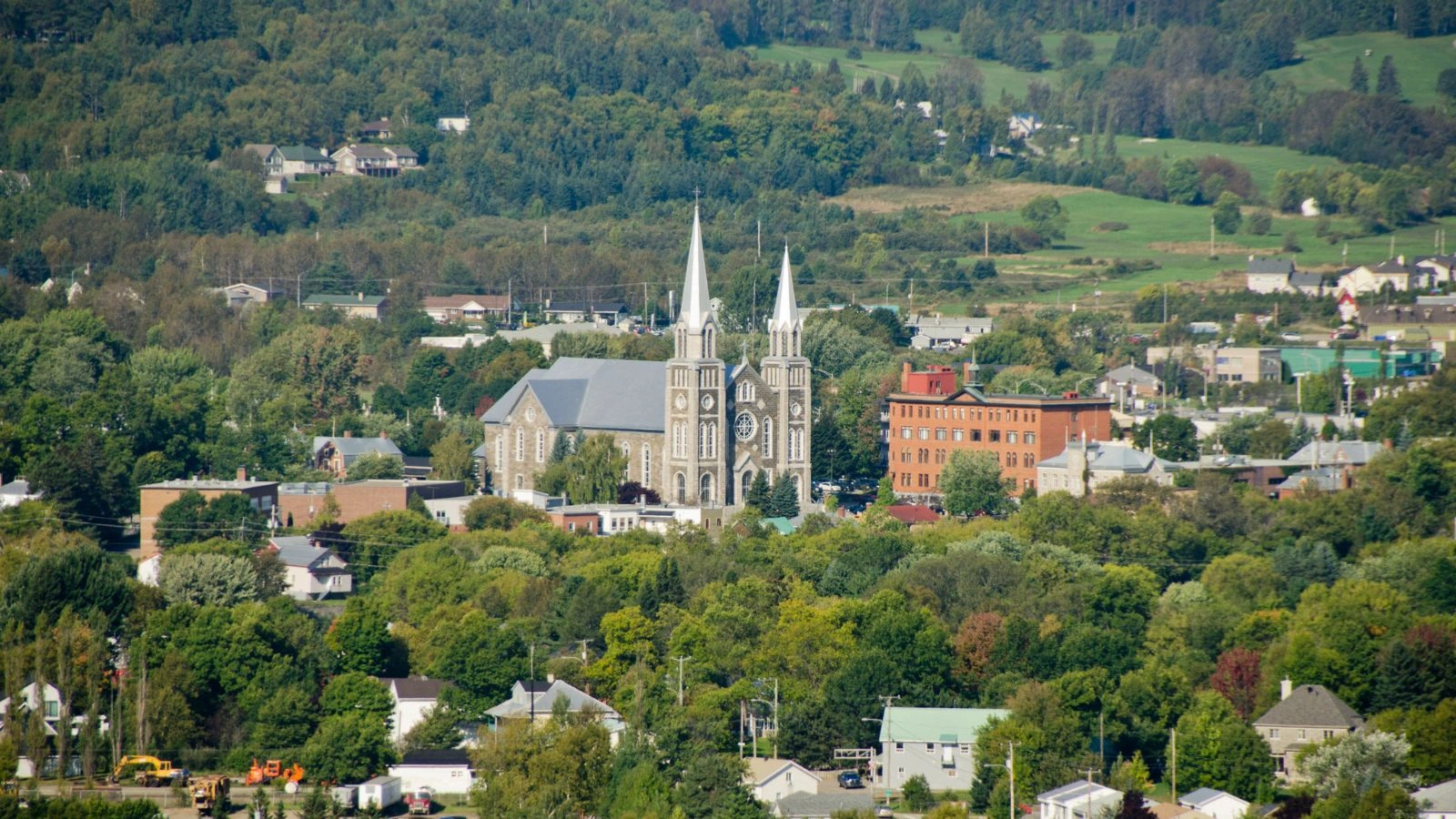
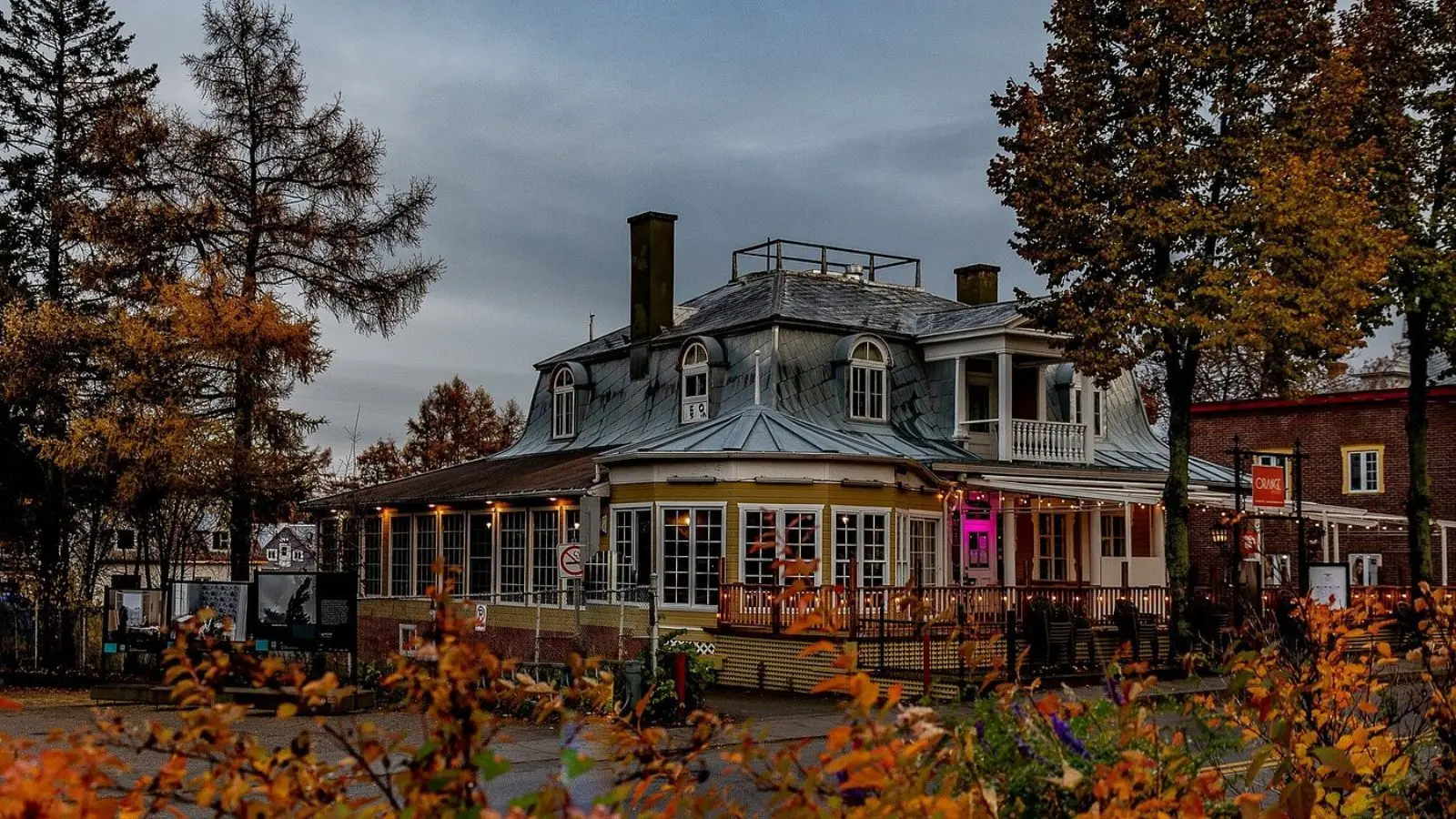
In Baie-Saint-Paul, the balance begins with the landscape. Approaching this small town in Québec’s Charlevoix region, wooded hills descend toward a broad agricultural valley, while the St. Lawrence River lies beyond the eastern edge of the settlement. Along Rue Saint-Jean-Baptiste, historic buildings house galleries, independent shops, and restaurants, with the surrounding hills never far from view. The transition between countryside and town is part of the attraction: one moment the landscape dominates, and the next there is a street with enough activity to make visitors want to stop and explore.
Baie-Saint-Paul has a population of just over 7,000, yet its artistic reputation and regional food culture give it a presence beyond what its size might suggest. It is also an established tourist destination, particularly for visitors exploring Charlevoix, rather than an undiscovered village untouched by outside attention. What makes it interesting for a longer stay is the combination of a functioning local community, a compact center, and access to a region whose landscapes and traditions offer considerably more than a single afternoon can reveal.
Where the Town Meets the Landscape
Baie-Saint-Paul occupies a distinctive position within Charlevoix, a region of wooded hills, agricultural valleys, and settlements closely connected to the St. Lawrence River. The surrounding terrain gives the town a sense of enclosure without making it feel isolated, while the countryside opens into a variety of environments within relatively short distances of the center. For travelers who appreciate natural landscapes but prefer to return to a town at the end of the day, this relationship offers a comfortable alternative to staying in a remote retreat.
Charlevoix is also recognized as a UNESCO biosphere reserve, reflecting the environmental significance of a region with an unusual geological history and a varied relationship between human settlement and the natural world. Around Baie-Saint-Paul, farmland, forests, river valleys, and rural communities form a landscape that has supported different ways of life over generations. Exploring beyond the center makes that relationship more visible, particularly where agricultural fields give way to wooded slopes or roads open toward views of the river.
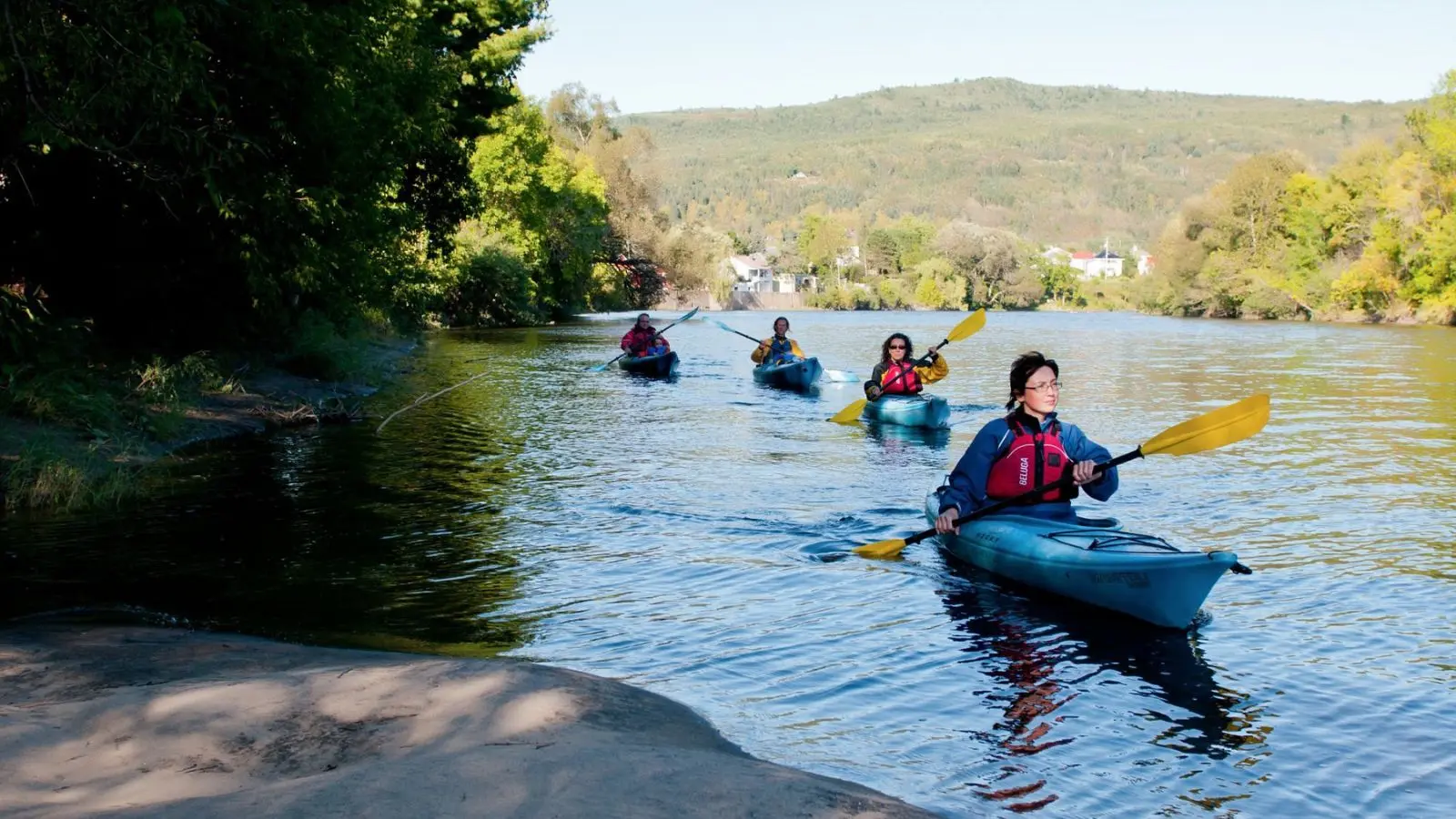
The surrounding environment is not simply something to admire from a distance. It shapes how visitors can spend their time, allowing a stay to move between town life and countryside exploration without requiring a succession of hotel changes. That variety is especially valuable in a smaller destination, where the ability to experience different settings can make several days feel rewarding without the need for an extensive itinerary.
A Town Worth Getting to Know
Rue Saint-Jean-Baptiste is the natural starting point for exploring Baie-Saint-Paul. Its historic streetscape brings together galleries, boutiques, cafés, and restaurants, creating a center that is compact enough to explore on foot while offering enough variety to encourage repeat visits. Unlike destinations where the main attraction is a single monument or viewpoint, much of the interest here comes from moving through an ordinary town whose creative identity is visible in its everyday commercial life.
The town has a well-established visitor economy, and its central streets can become lively during summer, cultural events, and the popular autumn season. Yet Baie-Saint-Paul also serves a resident population, with local services and businesses existing alongside those that attract travelers. This distinction matters because the experience is not limited to a carefully presented tourist setting; the town continues to function beyond the hours and interests of its visitors.
Spending several days here changes the way the center is experienced. Familiarity makes it easier to notice a gallery that was closed on an earlier walk, return to a café, or explore a side street without feeling that time is being taken away from something more important. The advantage of a compact town is not simply that everything is close together, but that visitors can develop their own relationship with its streets rather than approaching each walk as a new sightseeing exercise.
The Flavours of Charlevoix
The countryside around Baie-Saint-Paul has a strong agricultural identity, and food provides one of the most direct connections between the town and its wider region. Charlevoix is known for artisanal cheeses, farm products, bakeries, and a regional culinary scene that draws on local production. The surrounding farmland is therefore more than a scenic backdrop; it contributes to the economy and to the food traditions that visitors encounter in restaurants and specialty shops.
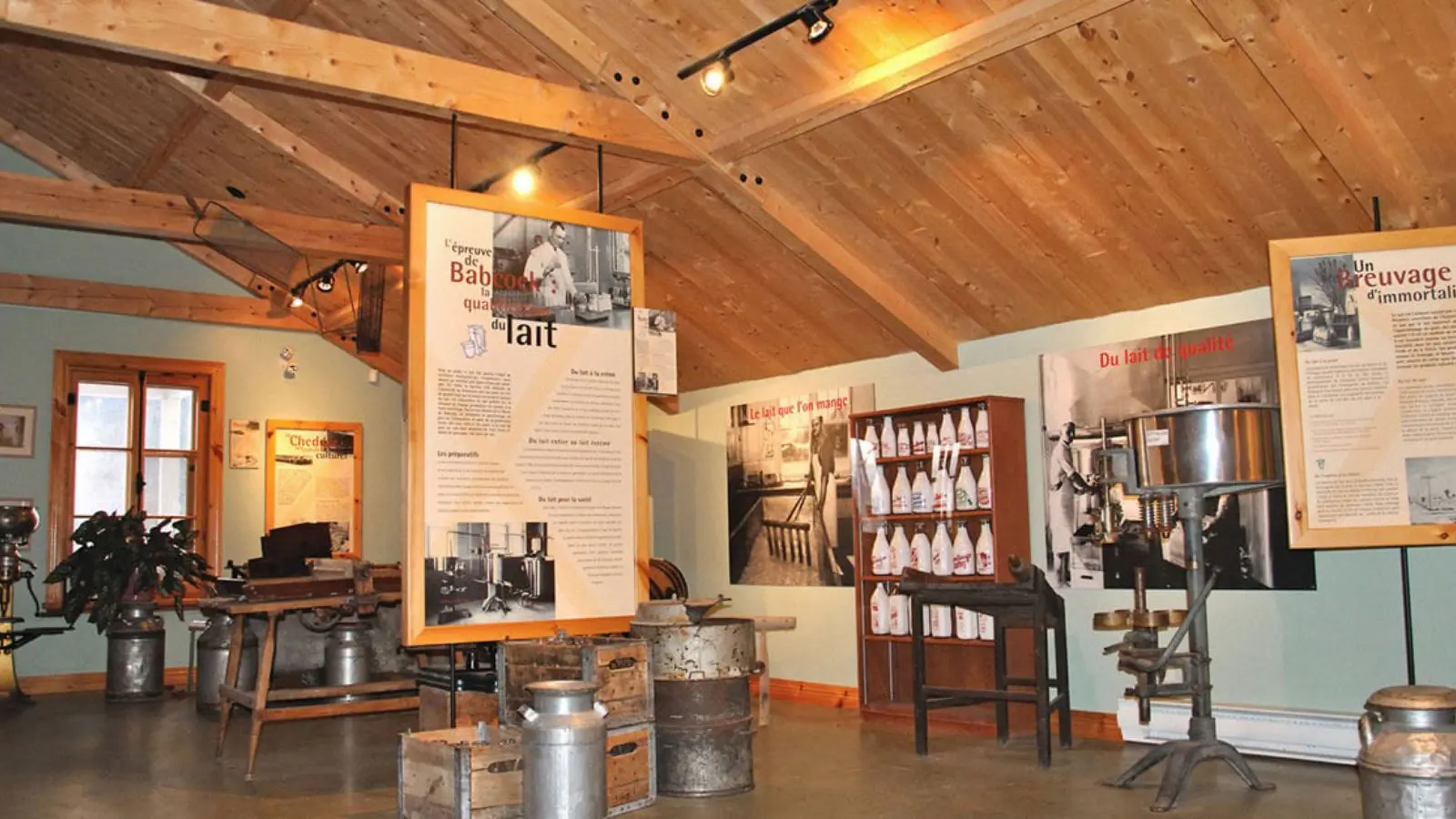
Laiterie Charlevoix, a long-established family dairy business, is among the region’s recognizable producers, reflecting a cheesemaking tradition that has become part of Charlevoix’s culinary reputation. Across the region, smaller producers and food businesses offer further opportunities to discover ingredients and products associated with the local landscape. For travelers interested in food beyond restaurant recommendations, these connections provide a reason to explore the countryside as well as the town itself.
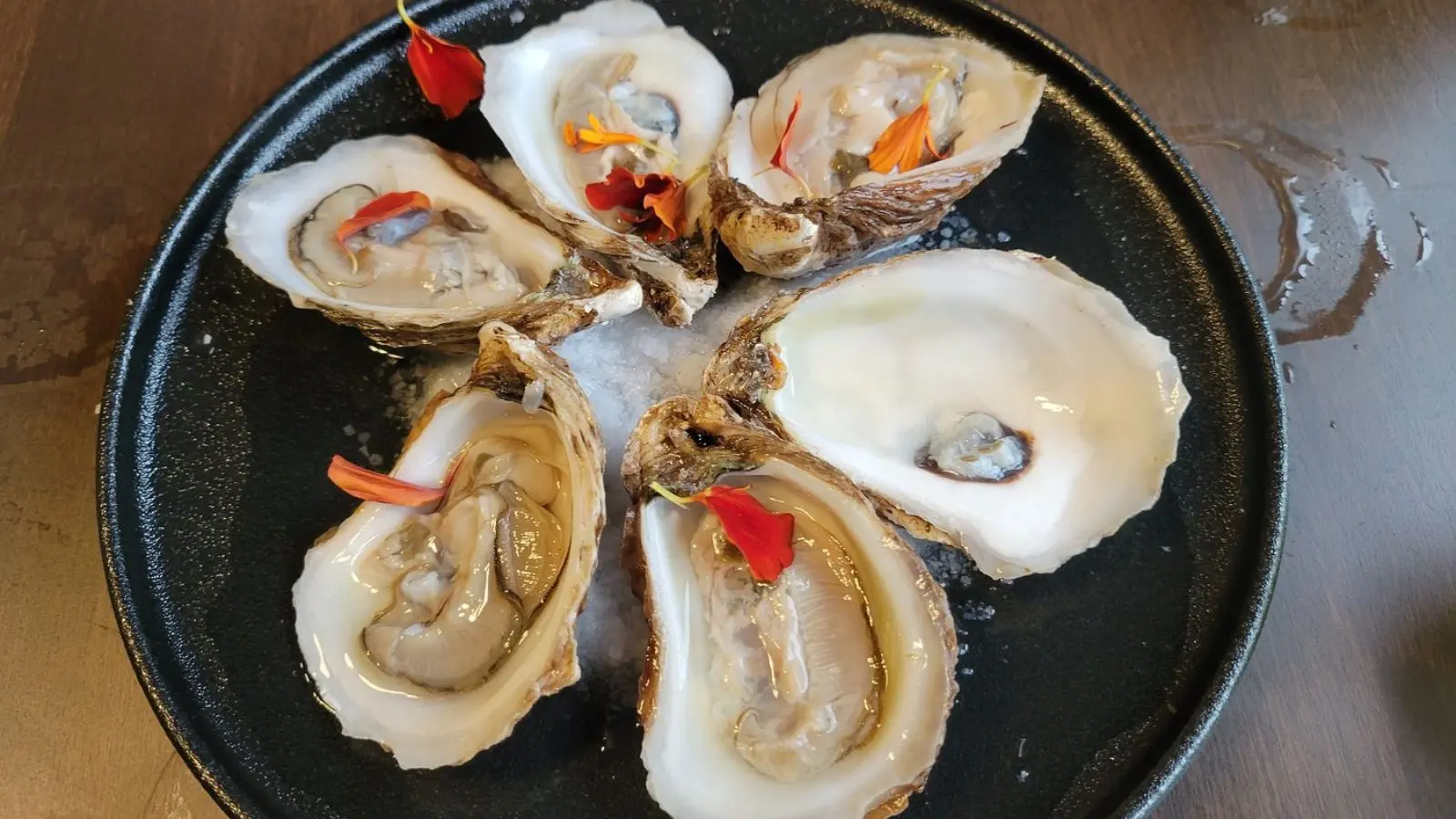
A meal in Baie-Saint-Paul can introduce the flavours of the surrounding farms, while visits to regional producers can give those ingredients a more tangible context. The value lies less in assembling a list of culinary stops than in understanding how food production, geography, and local livelihoods remain connected. In a destination where the agricultural landscape is so visible, that relationship becomes an important part of the experience.
Creativity as Part of the Town’s Identity
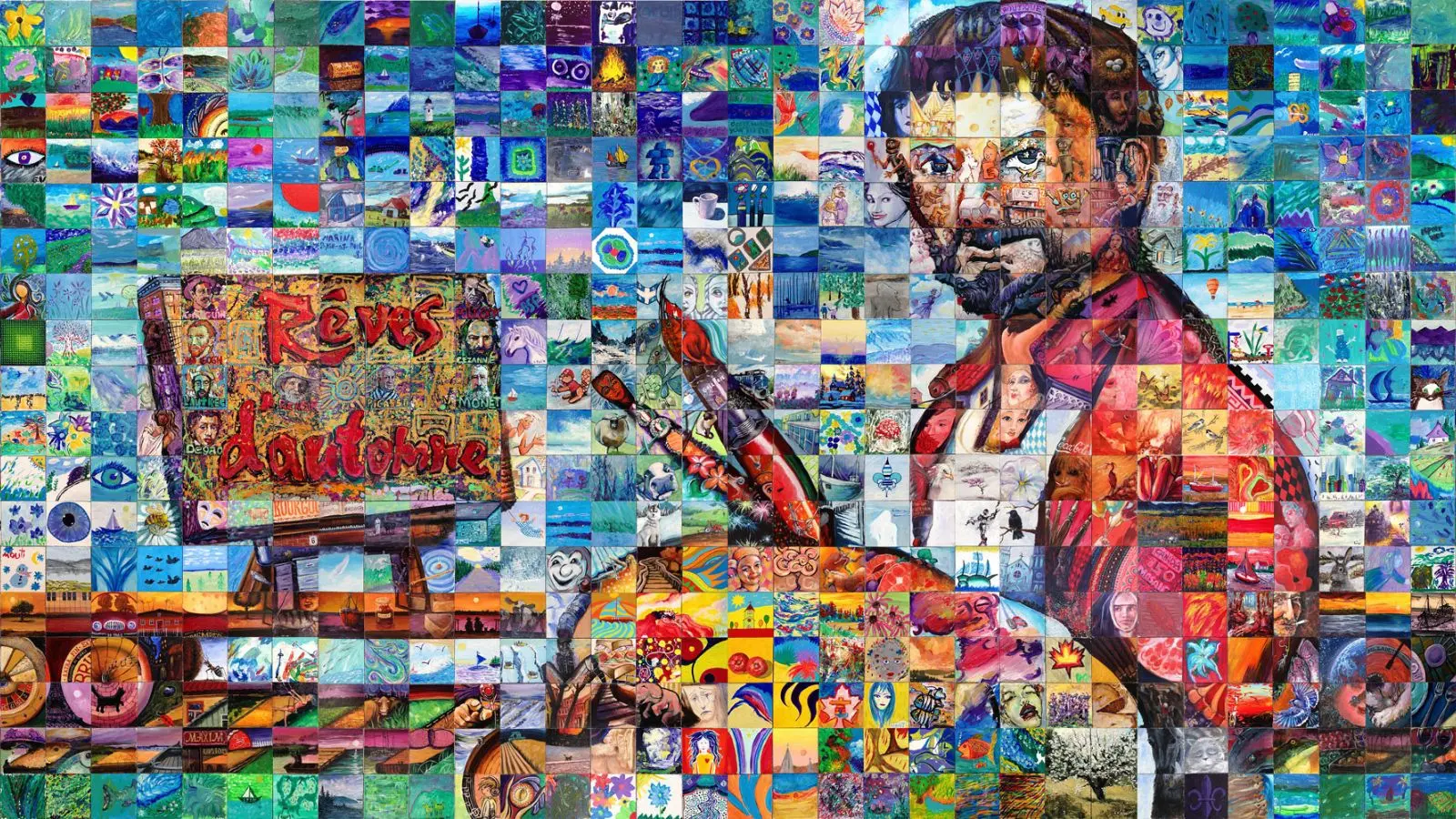
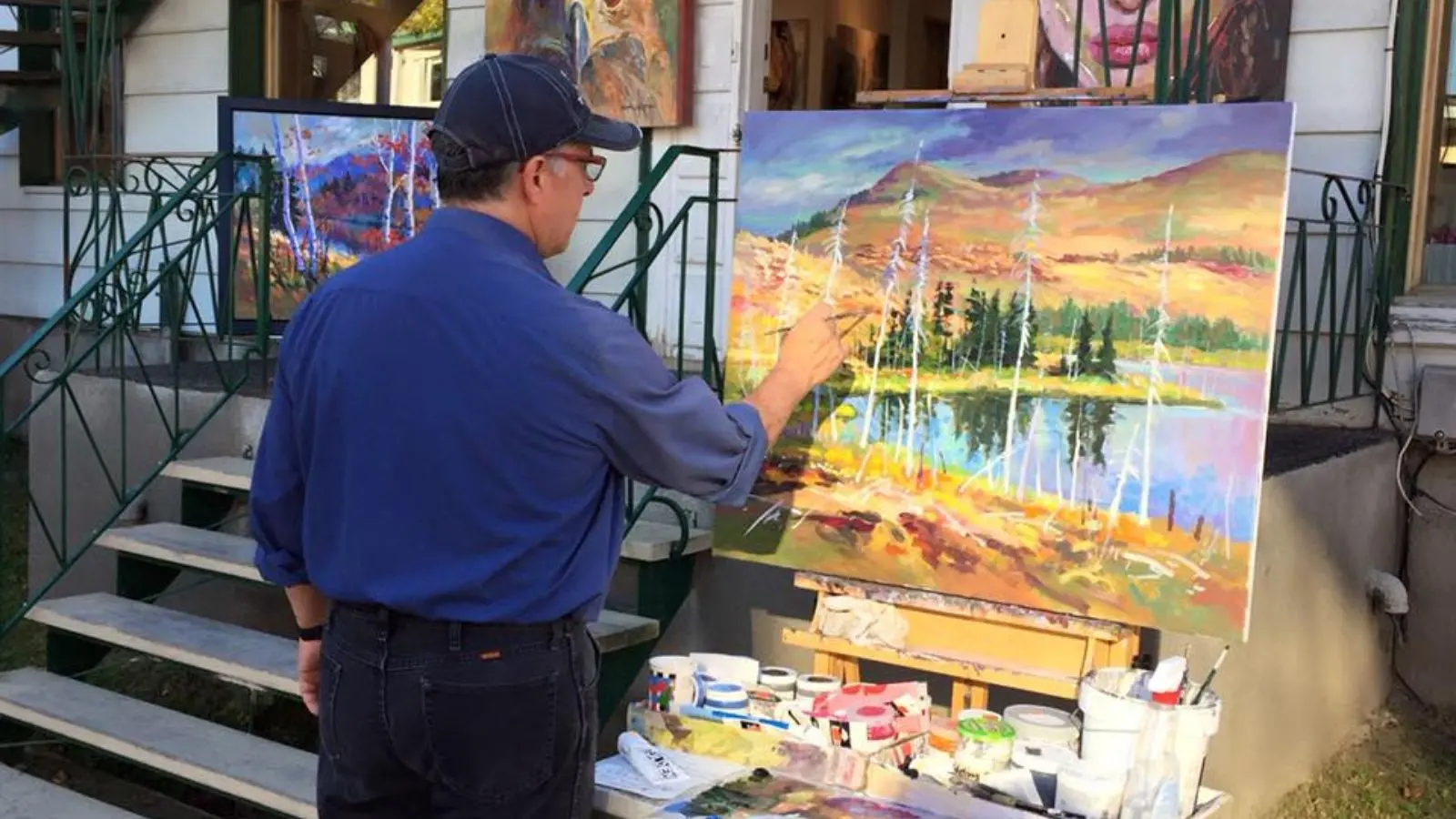
Baie-Saint-Paul’s artistic reputation is rooted in a long relationship between painters and the landscapes of Charlevoix. The region has attracted generations of artists, and the town continues to support galleries, exhibitions, and the Musée d’art contemporain de Baie-Saint-Paul. Along Rue Saint-Jean-Baptiste, art is part of the streetscape, encountered through gallery windows and exhibition spaces rather than confined to a single cultural institution.
The town also holds an unexpected place in the history of Canadian performing arts. During the early 1980s, street performers and festivals associated with Baie-Saint-Paul helped create the foundations from which Cirque du Soleil emerged. That history extends the town’s creative identity beyond painting into performance, experimentation, and public entertainment, although today’s internationally touring circus company should not be confused with a permanent local attraction.
These artistic traditions add depth to Baie-Saint-Paul without defining the entire visitor experience. Their importance lies partly in how they relate to the town’s broader character: the surrounding landscapes that inspired painters, the streets that became spaces for performance, and the continuing presence of galleries and cultural activity within a small community. The history deserves exploration in its own right, but even a casual encounter with the town’s creative life can reveal something about its distinctive identity.
Beyond the Main Street
Baie-Saint-Paul becomes particularly appealing when used as a base for exploring the surrounding Charlevoix region. Nearby Saint-Joseph-de-la-Rive offers a different perspective from the St. Lawrence shoreline, while rural roads, farms, and smaller settlements introduce landscapes and communities beyond the town center. A car is useful for these excursions, although the central streets of Baie-Saint-Paul itself are best experienced on foot.
The character of a visit also depends on the season. Late spring brings the gradual return of greenery and the beginning of a more active outdoor period, while summer offers warmer conditions and a fuller calendar of cultural events. Autumn draws visitors for the changing colours of the surrounding forests, particularly during peak foliage weekends. Winter transforms the landscape through snow and freezing temperatures, making it attractive to those who enjoy winter activities but substantially different from the experience of walking through town and exploring the countryside in warmer weather.
These seasonal contrasts are worth considering because Baie-Saint-Paul does not offer one unchanging version of itself. Its landscape, cultural calendar, and outdoor possibilities shift throughout the year, giving travelers different reasons to visit depending on their interests.
The Value of Staying Longer
Baie-Saint-Paul is easy to appreciate for its attractive streets and surrounding scenery, but a longer stay reveals how closely its different qualities are connected. The galleries belong to a region whose landscapes have inspired artists for generations, while the food served in town reflects an agricultural countryside that remains part of everyday life. Beyond the historic center, the river, rural communities, and changing terrain offer a wider understanding of Charlevoix without requiring travelers to move continually between destinations.
For those who enjoy a recognizable place to return to at the end of each day, this balance is particularly appealing. Baie-Saint-Paul offers the familiarity of a small town alongside enough regional variety to sustain curiosity, allowing the experience to develop through a combination of exploration and return.
Its distinction lies not in a single extraordinary sight, but in the relationship between landscape, local life, food, and a creative history that has given this small Québec town an identity far larger than its size.