



Todos Santos: Beyond the Resorts
View Gallery
5 Photos
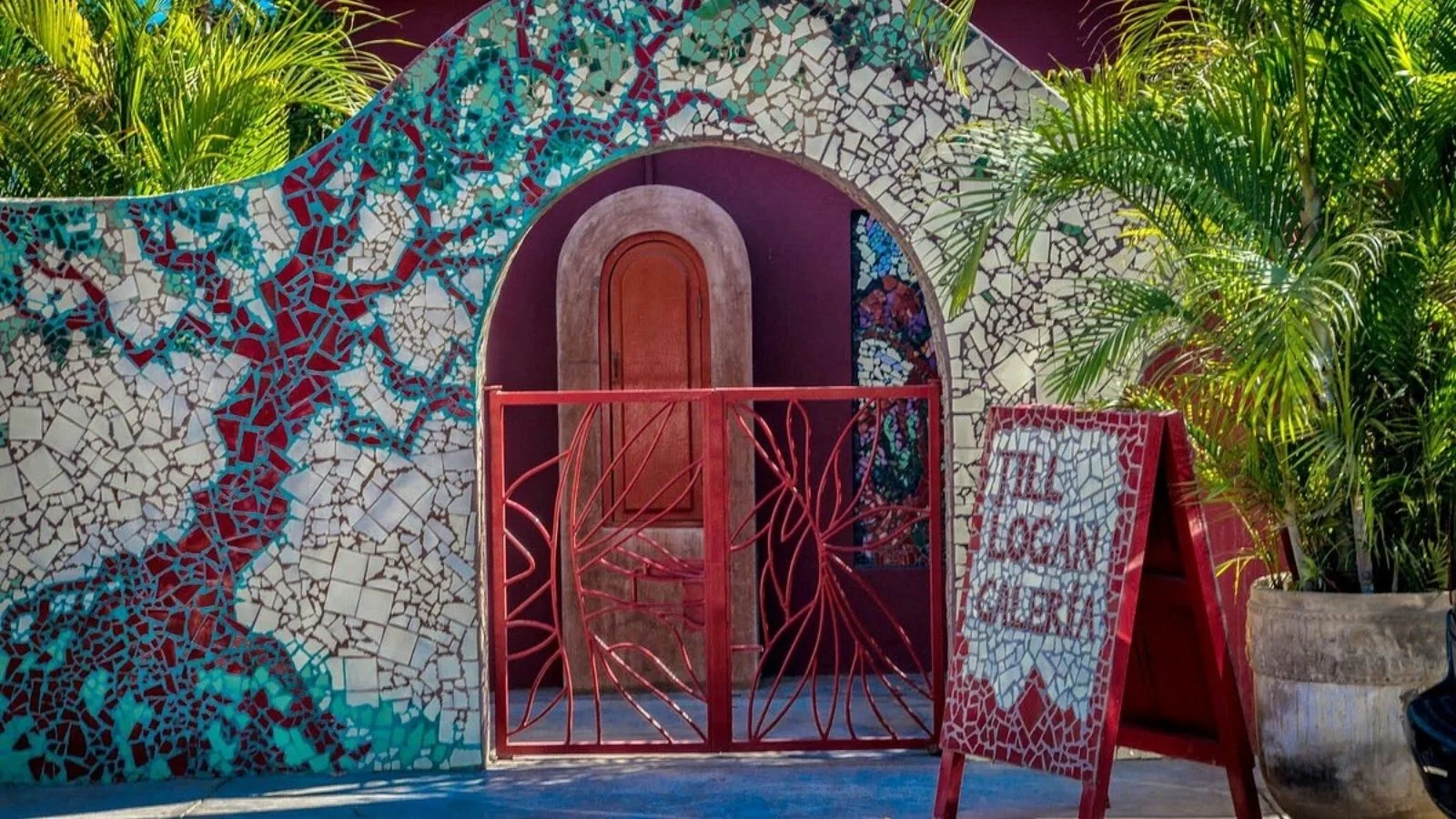
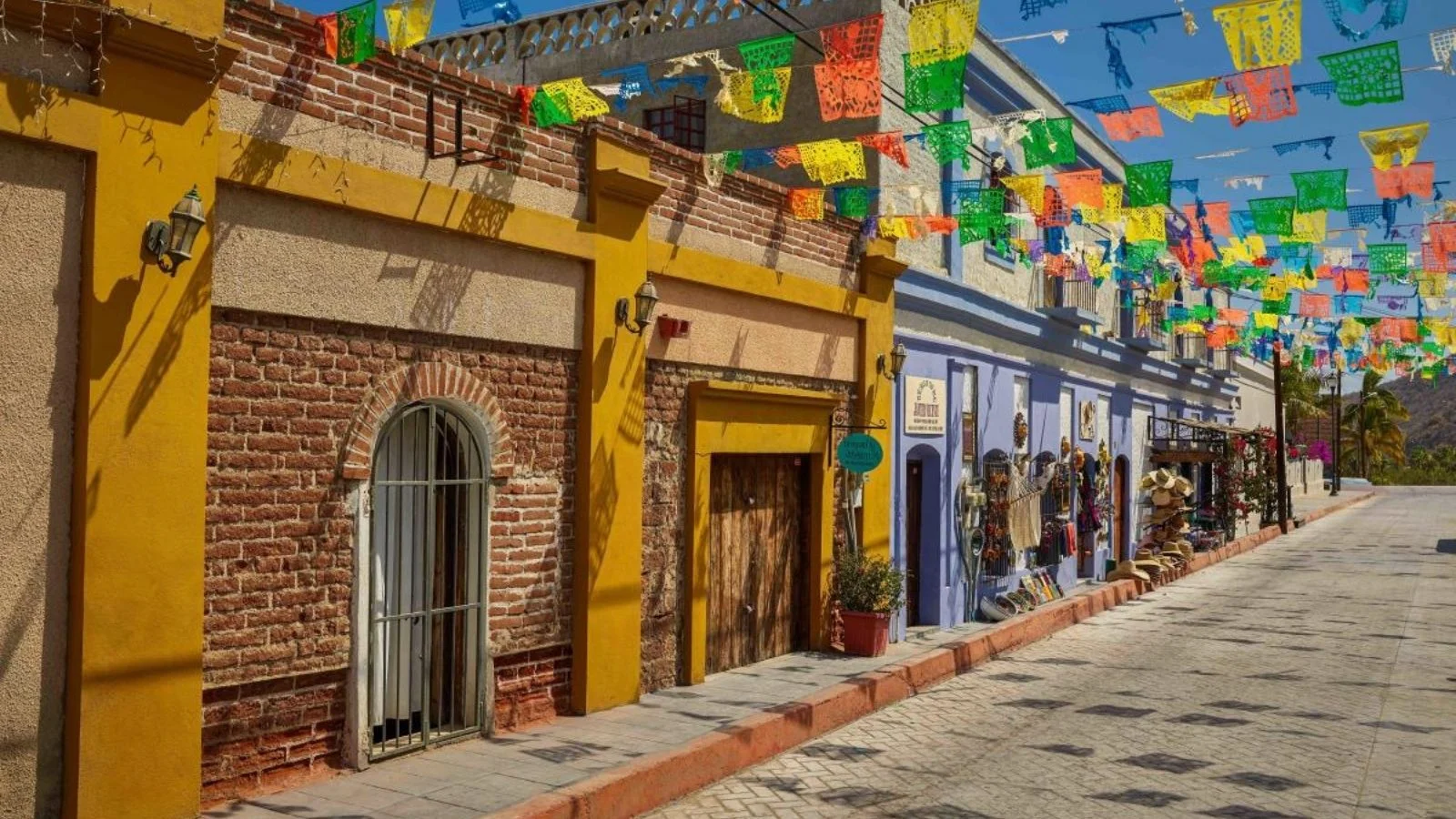
An hour north of Cabo San Lucas, Baja begins to change. The concentration of resorts and marinas falls away along the highway, development loosens its hold on the landscape, and dry hills and cactus take over the view toward the Pacific. By the time Todos Santos appears, the atmosphere belongs to a different scale altogether: a small town with an agricultural past, a historic center, a growing creative community and a coastline that still requires leaving town to properly encounter it.
That distance from Los Cabos is physical, but it has also protected a difference in rhythm. Todos Santos was shaped by agriculture long before travelers began arriving for galleries, surfing, boutique hotels and winter sun. Sugar cane once sustained much of its economy, and the town still carries the proportions of somewhere that developed around its own needs rather than around those of visitors. Its streets gather around a central plaza and mission church; shops, houses, restaurants and galleries occupy a fabric that feels recognizably like a town rather than a leisure district. A morning can pass here without the sense that every doorway has been placed to intercept whoever walks past it.
This is also what makes Todos Santos interesting now. Calling it undiscovered would be inaccurate. Artists have been drawn here for decades, its Pueblo Mágico designation increased its visibility, and more recent arrivals have brought boutique hospitality, restaurants, wellness businesses and a growing appetite for longer stays. Its proximity to Los Cabos makes that evolution unlikely to stop. Todos Santos sits in the more revealing stage between obscurity and saturation, when the destination economy is clearly present but has not yet become the only way the town understands itself.
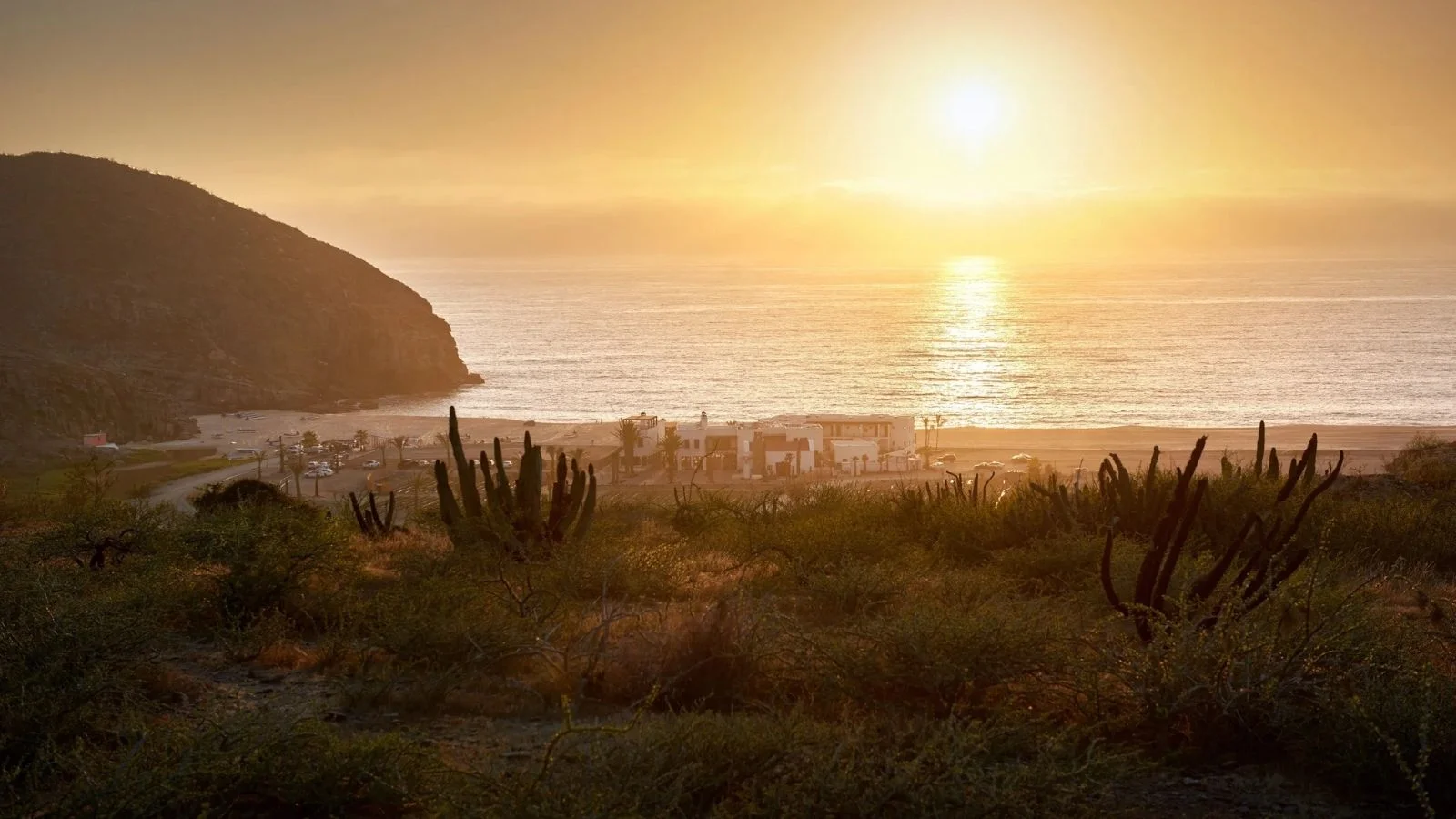
The surrounding landscape keeps that identity grounded. On this side of the Baja California Peninsula, desert reaches toward a Pacific coastline that is broad, exposed and often visually spare. Cactus-lined roads leave the center and quickly move through dry terrain, while pockets of palms and cultivated land hint at the conditions that once supported the town’s agricultural economy. The ocean is rarely just scenery here; it determines where people surf, the distances between town and beach, which parts of the coast are easily reached and, during winter, the possibility of seeing whales moving offshore. Heat matters too, as do road conditions and distance. Todos Santos makes considerably more sense with a car and enough time for journeys outside town to become part of the stay rather than transfers between attractions.
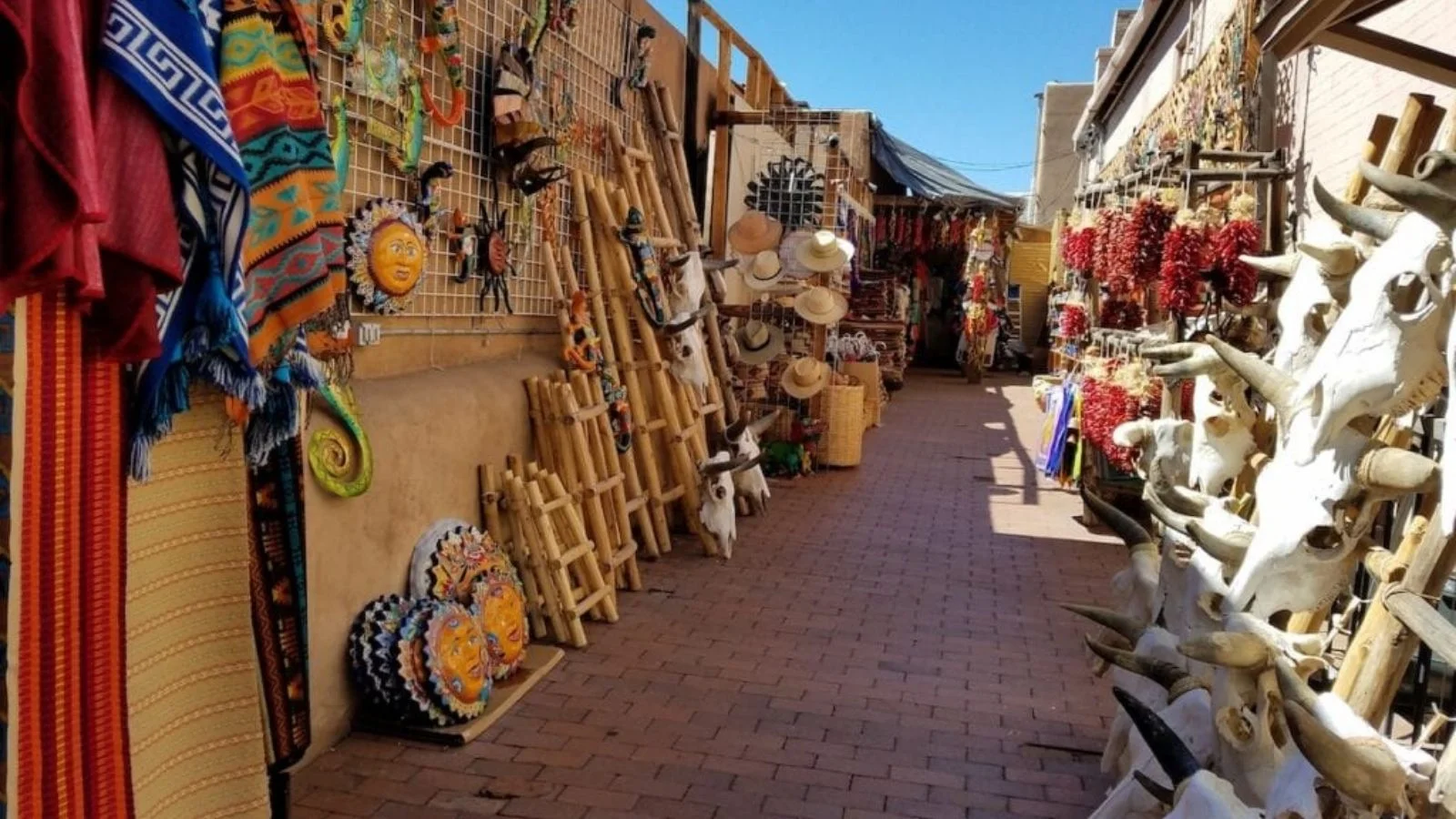
The agricultural past and the newer creative identity sit unusually close together. Todos Santos is now widely associated with artists, galleries and independent businesses, yet these have been layered onto a Mexican town with a history that predates its appeal as a lifestyle destination. That overlap gives the place more substance than the familiar image of an art-and-wellness escape in the desert. Galleries and studios become more interesting when understood not simply as places to shop, but as part of the continuing story of why creative people have chosen to settle here and what their arrival has added to — and inevitably changed within — the town.
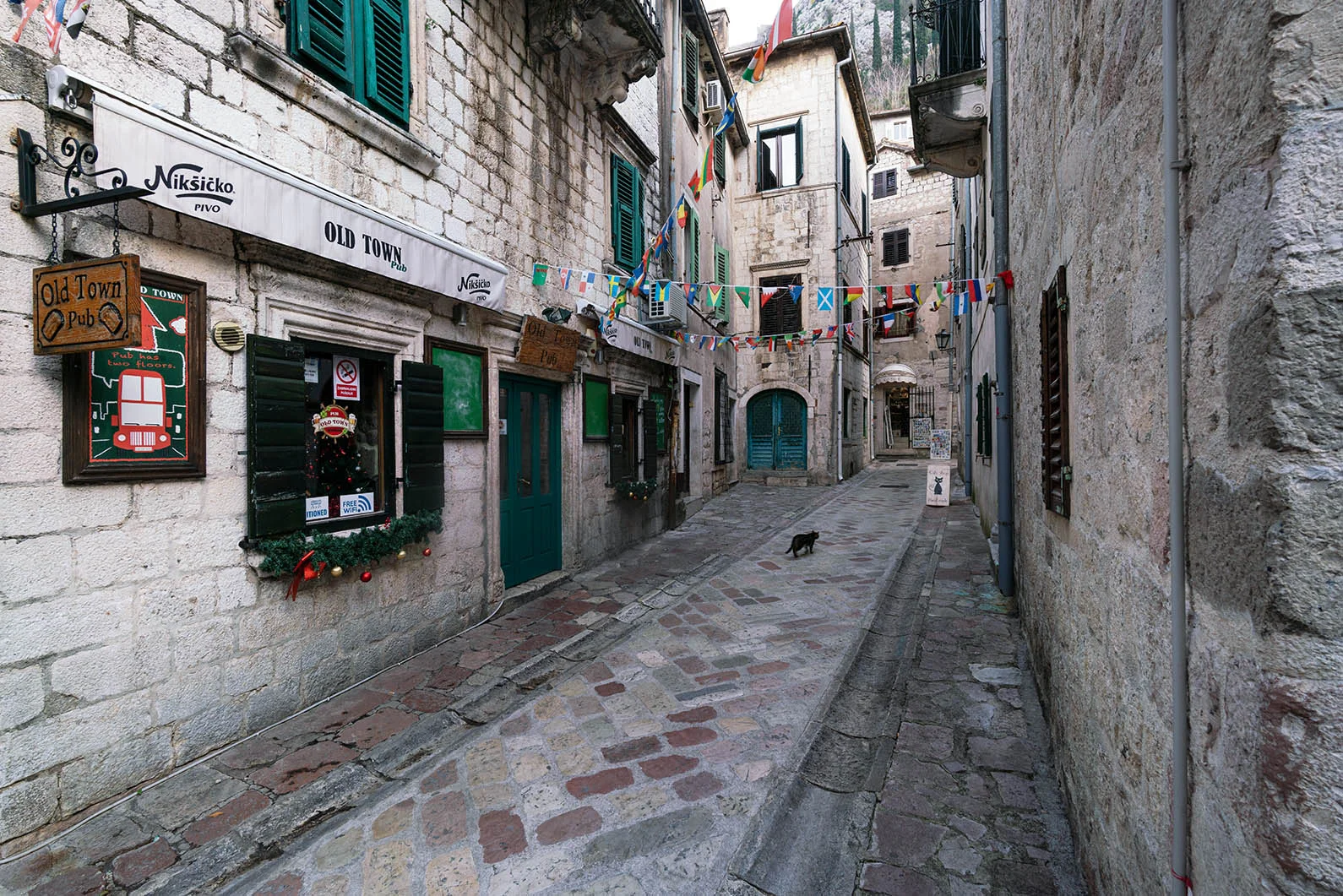
The same applies to the historic center. The plaza and mission provide an obvious starting point, but treating them as the beginning of a sightseeing circuit misses much of what makes the center work. Its surrounding streets reward familiarity: galleries encountered without planning, small shops and cafés that interrupt a route, and places that begin to register differently on a second visit. A bakery, a small shop or a café encountered twice can eventually matter more to the experience than something visited once because it appeared on a list.
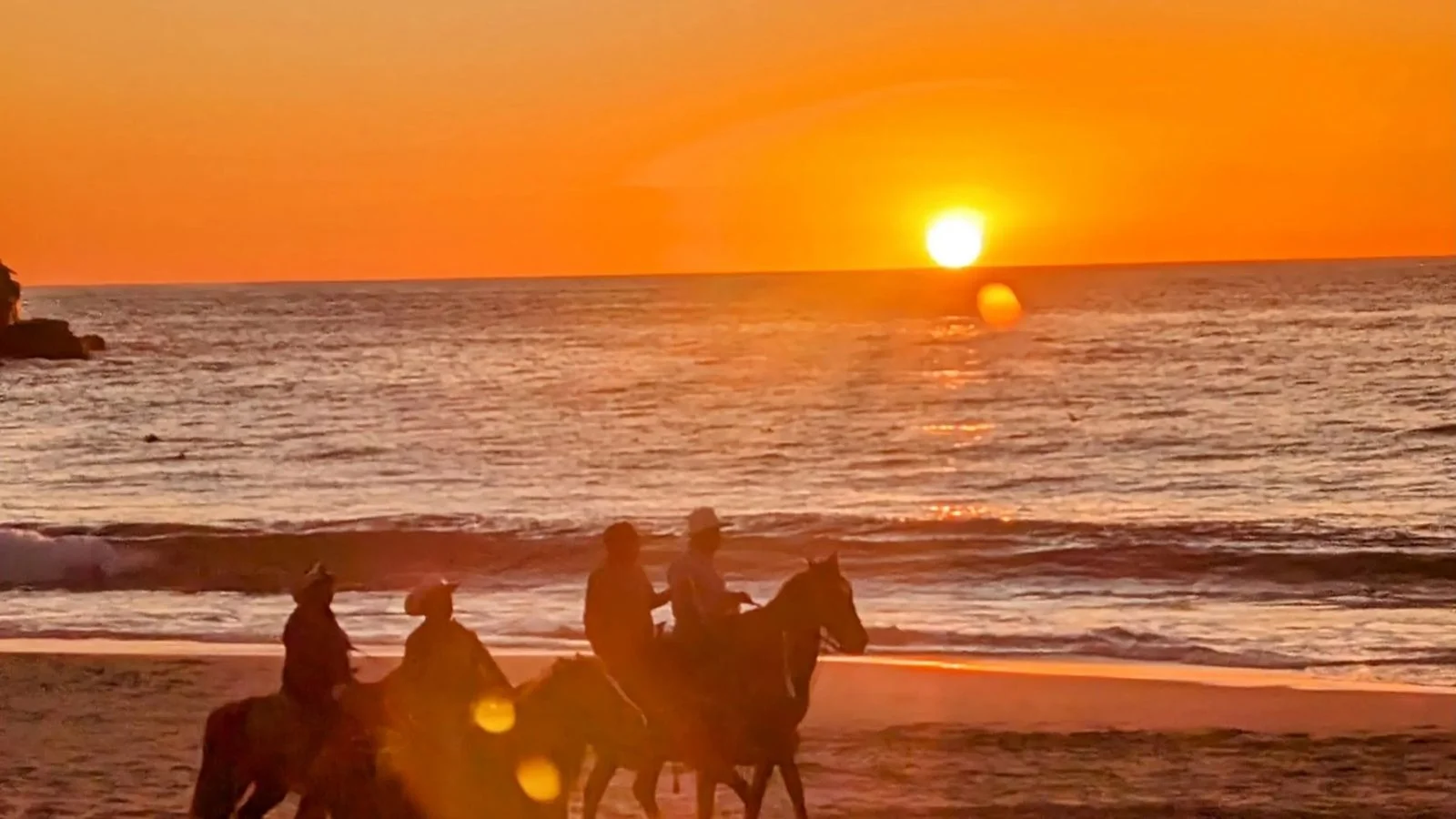
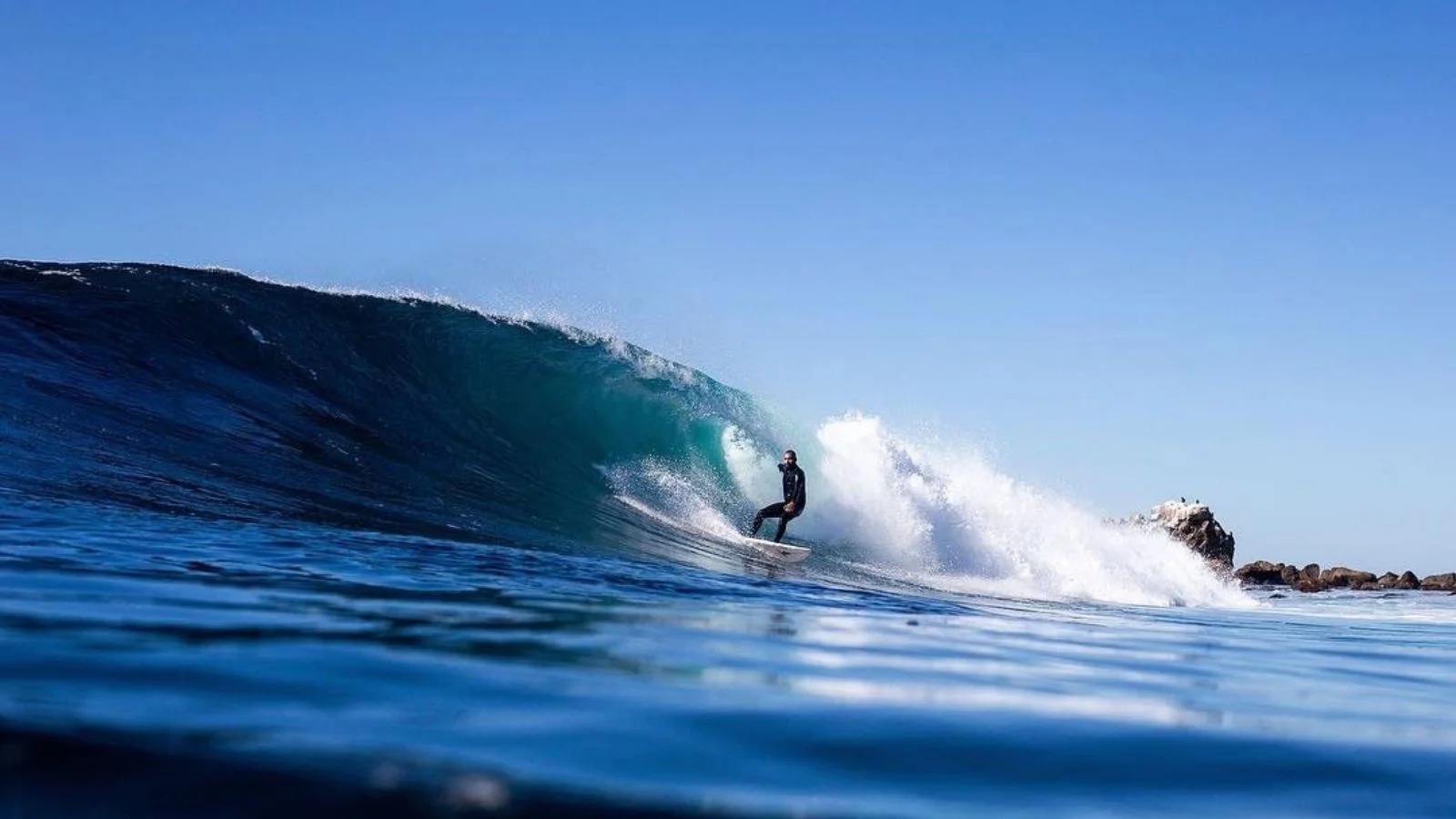
Beyond town, the Pacific gives the stay another rhythm. Surf breaks along this stretch of coast draw experienced surfers as well as people who come specifically to learn, while the beaches themselves reward time even when surfing is not part of the plan. Reaching them can involve driving beyond paved streets, with a coastline that is not arranged as a continuous sequence of serviced beach clubs. In winter, whale watching can begin from the shore rather than with a formal excursion, and an afternoon can pass simply moving between desert road and open beach without requiring a larger event to justify it.
This is why Todos Santos loses something when reduced to a day trip from Cabo. In a few hours, it is perfectly possible to see the plaza, visit several galleries, eat lunch and return south having technically experienced its main points of interest. Staying changes the relationship. After several days, the historic center no longer needs to perform as an attraction: a preferred coffee place emerges, one road toward the coast becomes more familiar than another, and the afternoon heat can make doing very little feel like the sensible use of time rather than unused vacation. The destination becomes less about accumulating new places and more about establishing a temporary rhythm within the ones already found.
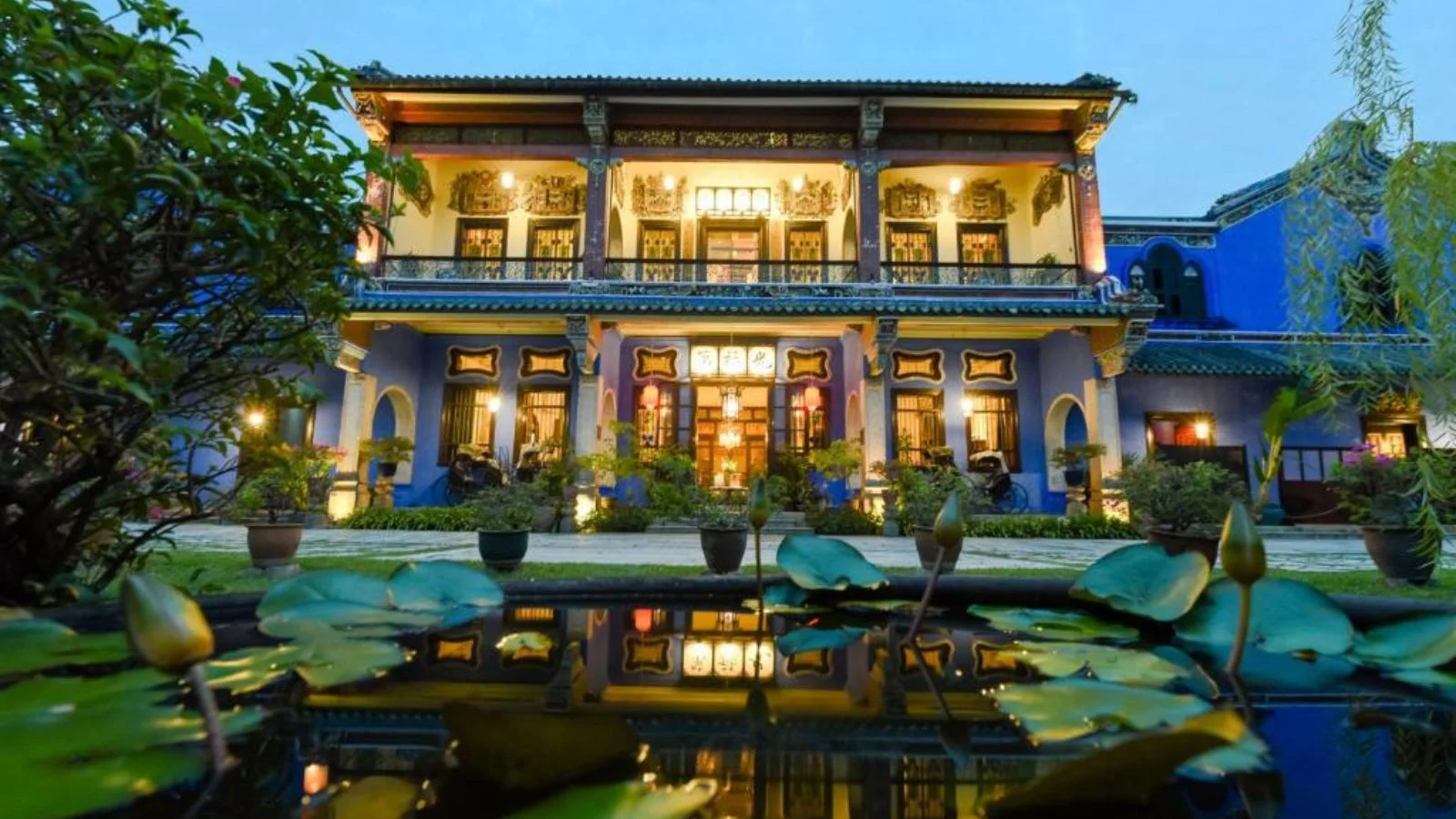
Its small boutique properties increasingly support that kind of stay. At their best, they use design to remain connected to the desert, town and coast rather than attempting to reproduce the insulated resort experience farther south. That matters in Todos Santos because much of the pleasure comes from moving between environments: breakfast in town, a gallery or studio, a long drive toward the Pacific, an afternoon with no particular objective, then dinner somewhere familiar enough to warrant returning. The hotel works better as an anchor than as the destination itself.
The town is changing, however, and its appeal should not be confused with preservation in amber. New construction is visible around its edges, property values have risen, and high season places pressure on a relatively small collection of restaurants and businesses. Tourism and outside investment inevitably alter the qualities that attracted them in the first place. The more useful question is therefore not whether Todos Santos remains untouched — it does not — but whether enough of its independent life remains visible to make spending time here meaningfully different from staying in the resort corridor to the south. For now, it does.
That difference will not suit everyone. Travelers looking for a dense sequence of major sights may exhaust their list quickly, while those who value seamless resort infrastructure, extensive dining choice and organized leisure will find Los Cabos better equipped to provide them. Todos Santos asks for a different use of time, one in which driving to a beach, returning to the same café or leaving part of an afternoon unplanned is not what happens between the important experiences. It is part of the experience itself.
We would not prescribe a number of days for Todos Santos. A longer stay allows the historic center to become familiar, the Pacific and desert to enter the rhythm of daily life, and returning to somewhere already known to become as worthwhile as finding somewhere new. For some travelers, that point will come sooner; for others — particularly those drawn by surfing, art, writing or simply living quietly for a while — it may take much longer. The better measure is not how many days the town deserves, but whether the experience still feels unfinished.
The resorts remain only an hour away. What makes Todos Santos worth that hour is not that tourism has failed to reach it, but that the town has not yet surrendered entirely to the logic of tourism. Its value becomes clearer through time spent beyond the center, through places familiar enough to return to, and through ordinary parts of the day that gradually become part of the reason for staying.