
The Distance Between Towns:A Road Trip Through Andalusia
View Gallery
4 Photos
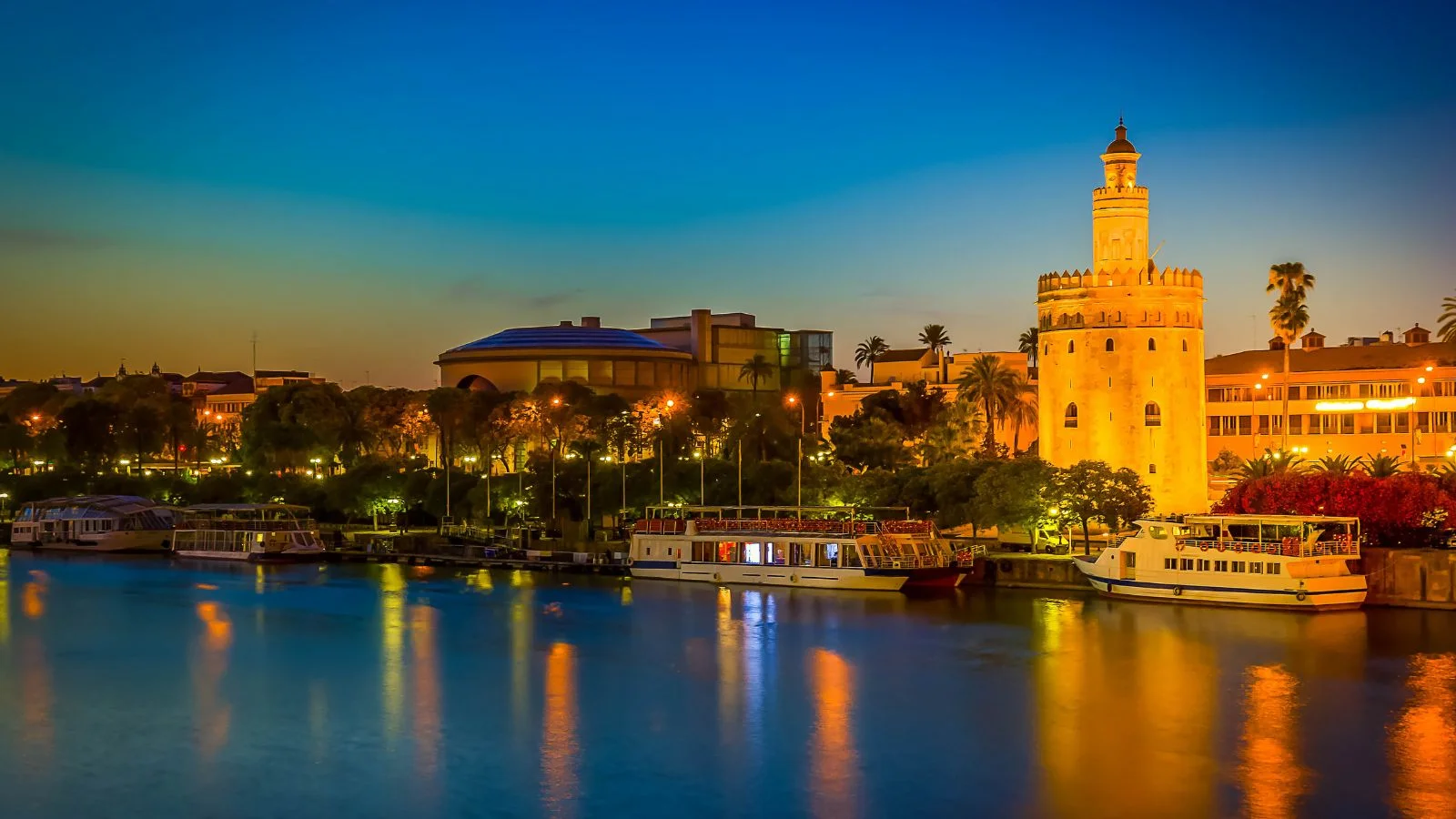
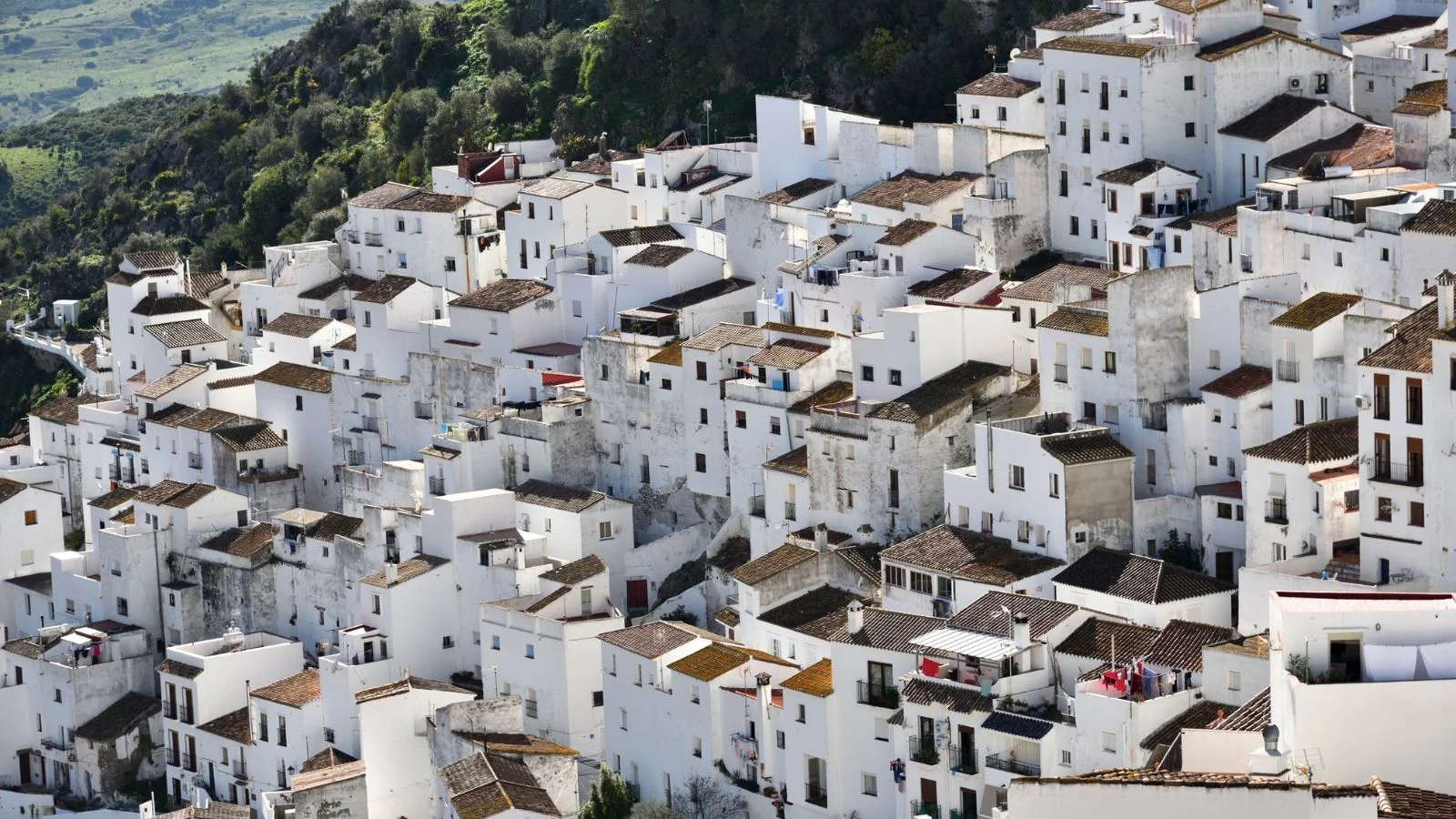
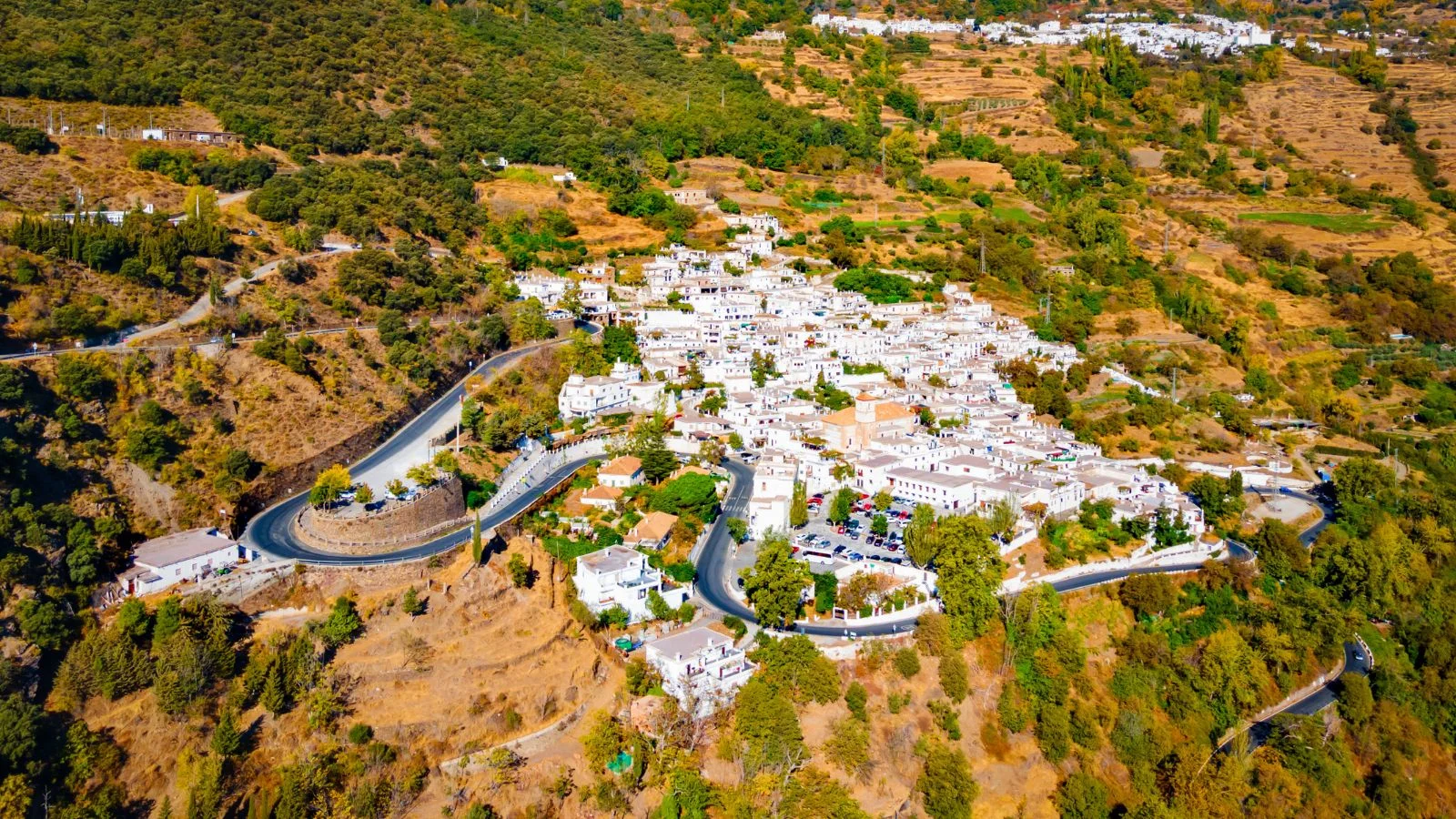

In Andalusia, the road often explains the region better than any single city. Leave Seville behind and the plains begin to open. Drive east toward Córdoba and olive groves stretch across the horizon in ordered lines. Continue south from Granada and the Sierra Nevada fades behind you as the air softens toward the coast. Between the celebrated names lies the version of Andalusia many travelers remember most clearly: the smaller towns, the white villages, the pauses no itinerary fully captures.
This way of travel feels especially relevant now because many visitors still experience Andalusia as a checklist of headline stops—Seville, Córdoba, Granada—moving quickly between them and missing the texture that binds the region together. Driving restores that missing layer. It reveals that Andalusia is not only monumental cities, but also landscapes, agricultural rhythms, mountain roads, and towns where daily life still sets the tempo.
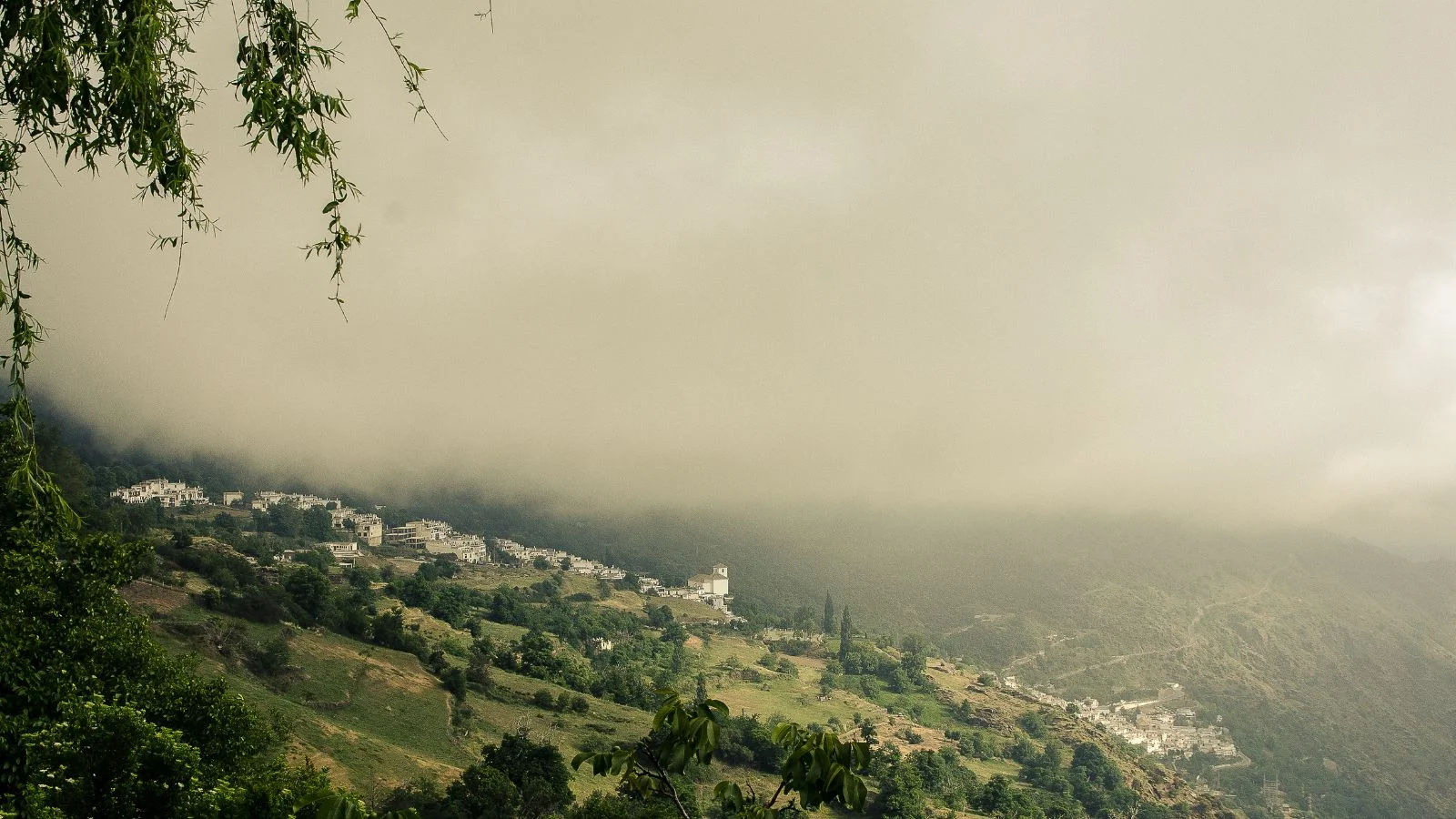
One of the most rewarding routes begins in Seville, then bends toward the hill town of Carmona, where Roman traces and old walls sit above open countryside. From there, Córdoba offers one of Spain’s richest urban chapters, but the journey gains depth again once you continue into smaller places such as Zuheros or Priego de Córdoba, where whitewashed streets, limestone scenery, and slower squares feel worlds away from the city circuit. Further east, Granada delivers grandeur, yet nearby Pampaneira, Bubión, and Capileira in the Alpujarras show another Andalusia altogether—mountain villages with terraced hillsides, narrow lanes, and cooler evening air.
Another route draws travelers south from Seville into the Cádiz province, where Arcos de la Frontera rises dramatically above the valley and Grazalema sits among some of the region’s most beautiful natural scenery. Continue onward and Ronda remains deservedly famous, but arriving through the road rather than as a day-trip transforms it. The cliffs, bridges, and surrounding countryside feel earned rather than consumed.
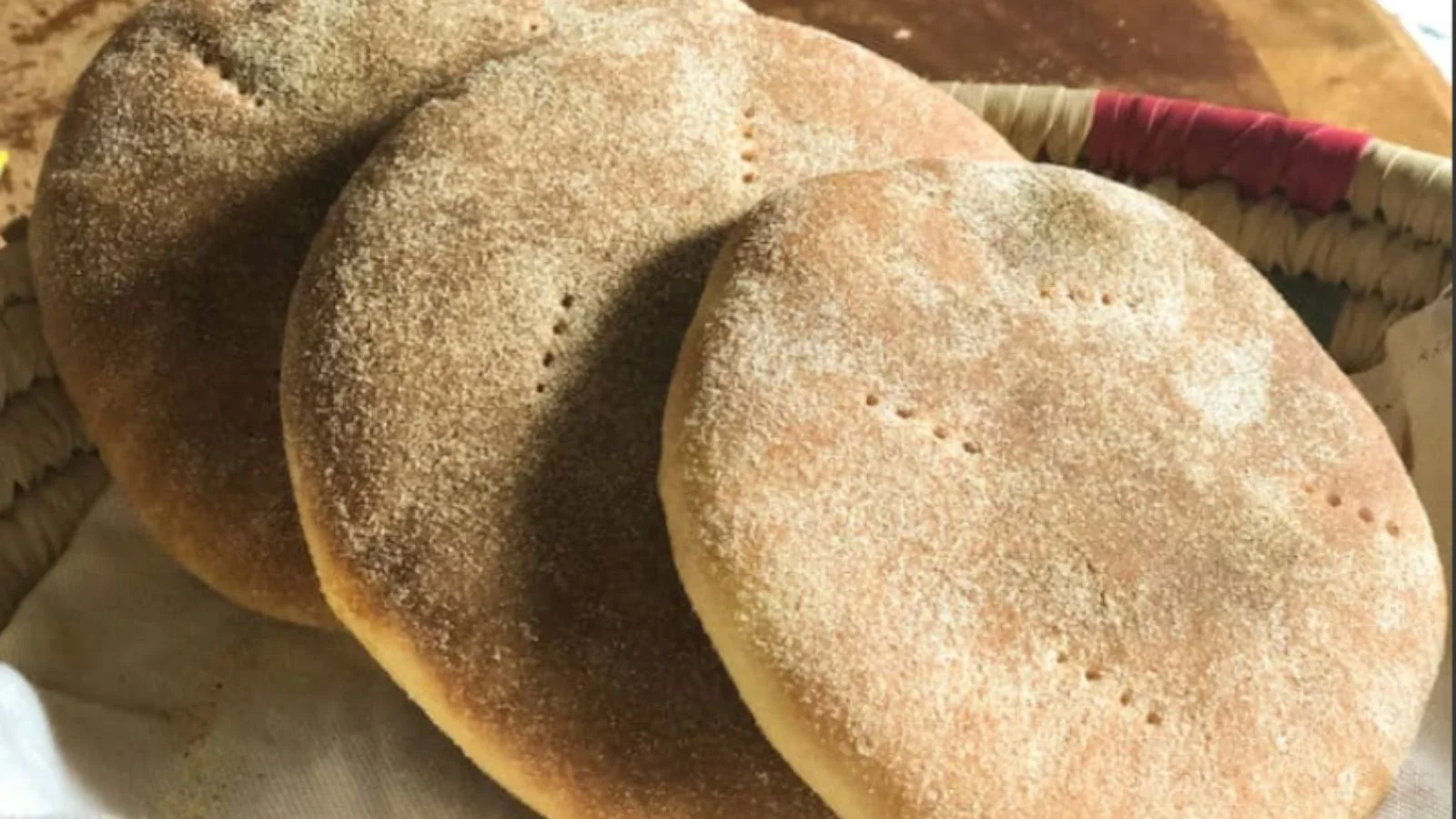
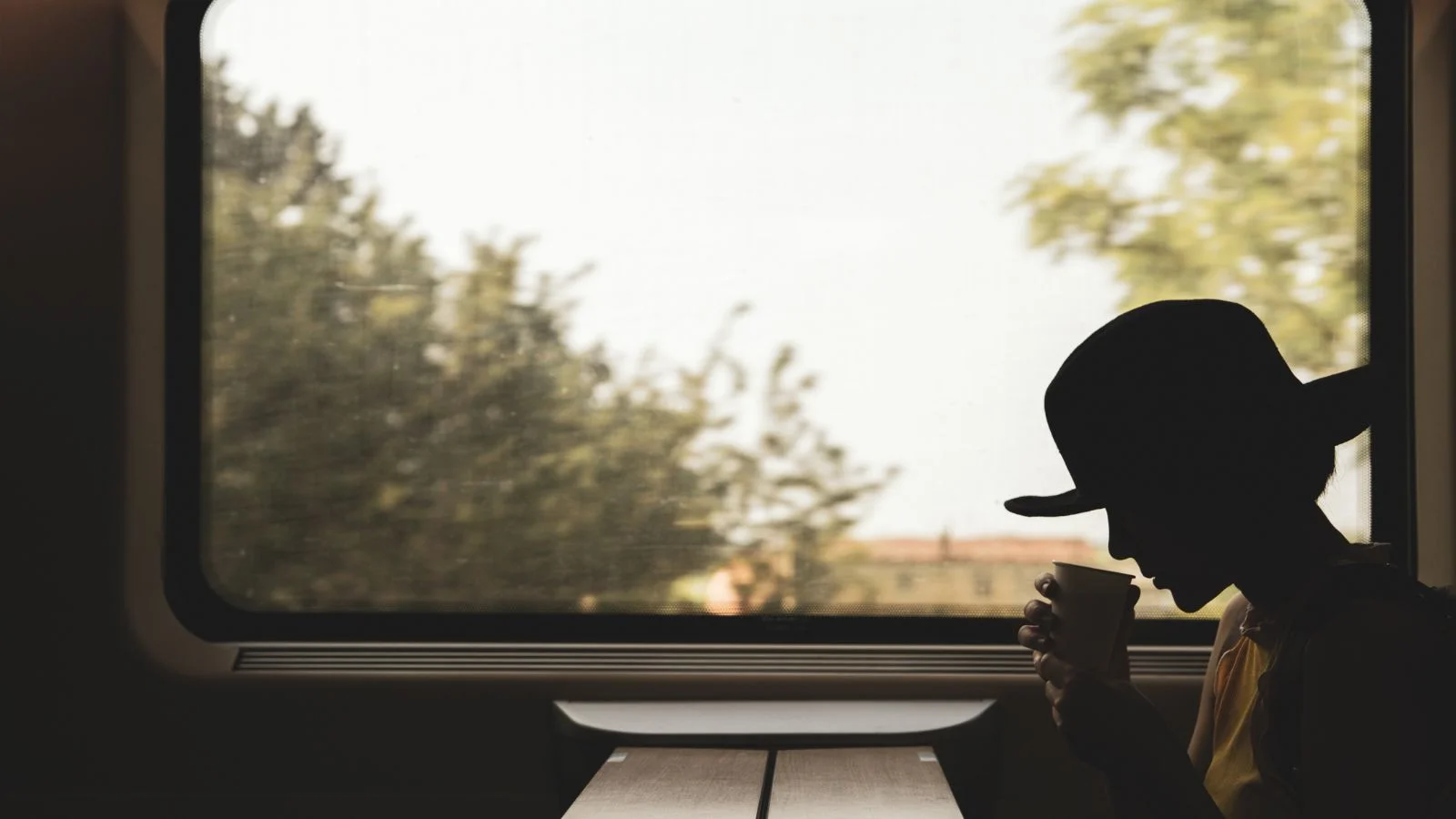
The emotional state of this kind of travel is one of regained freedom. Instead of adapting entirely to train timetables or rigid transfers, movement becomes personal. A bakery in a village can delay the morning. A shaded plaza can become lunch. A scenic overlook can alter the afternoon. The road stops being transit and becomes part of the memory.
Good road trips also change behavior. Travelers often become less concerned with collecting landmarks and more attentive to sequence, appetite, and atmosphere. Andalusia rewards this softer structure because much of its beauty lies in contrast: mosque-city to mountain hamlet, dry inland heat to coastal breeze, grand cathedral to silent village church.
There is, however, a nuance often missed. Summer heat can be serious inland, and older historic centers may challenge drivers with narrow streets and parking limits. Spring and autumn are often the finest seasons, when roads are easier, landscapes greener, and towns more inviting to linger in.
This route suits travelers who enjoy autonomy, layered landscapes, rural pauses, and discovering places between famous names. It is less suited to those who dislike driving or prefer every hour fully programmed.
The final judgment is clear: Andalusia is not fully understood from station to station. It comes alive when the road includes Carmona after Seville, the Alpujarras after Granada, Grazalema before Ronda, and the freedom to stop where the map did not insist.