








For much of the past century, travel accommodation followed a predictable formula. Large international hotels offered consistency, efficiency, and familiarity. A traveler could move between cities and continents while encountering nearly identical lobbies, rooms, and services. While this model brought convenience, it often softened the sense of place that makes travel memorable.
In recent years, however, many travelers have begun to seek something different from where they stay. Instead of choosing hotels simply for location or brand recognition, they are increasingly drawn to smaller properties that feel connected to their surroundings. These hotels often occupy historic buildings, family-run houses, restored villas, or thoughtfully designed spaces that reflect the character of the destination itself.
Small hotels tend to carry a quieter atmosphere. Their scale allows them to feel more personal, sometimes even intimate. Guests may recognize the same staff throughout their stay, breakfast may be prepared in a kitchen rather than delivered from a large service operation, and the rhythm of the place often feels closer to the rhythm of the neighborhood outside.
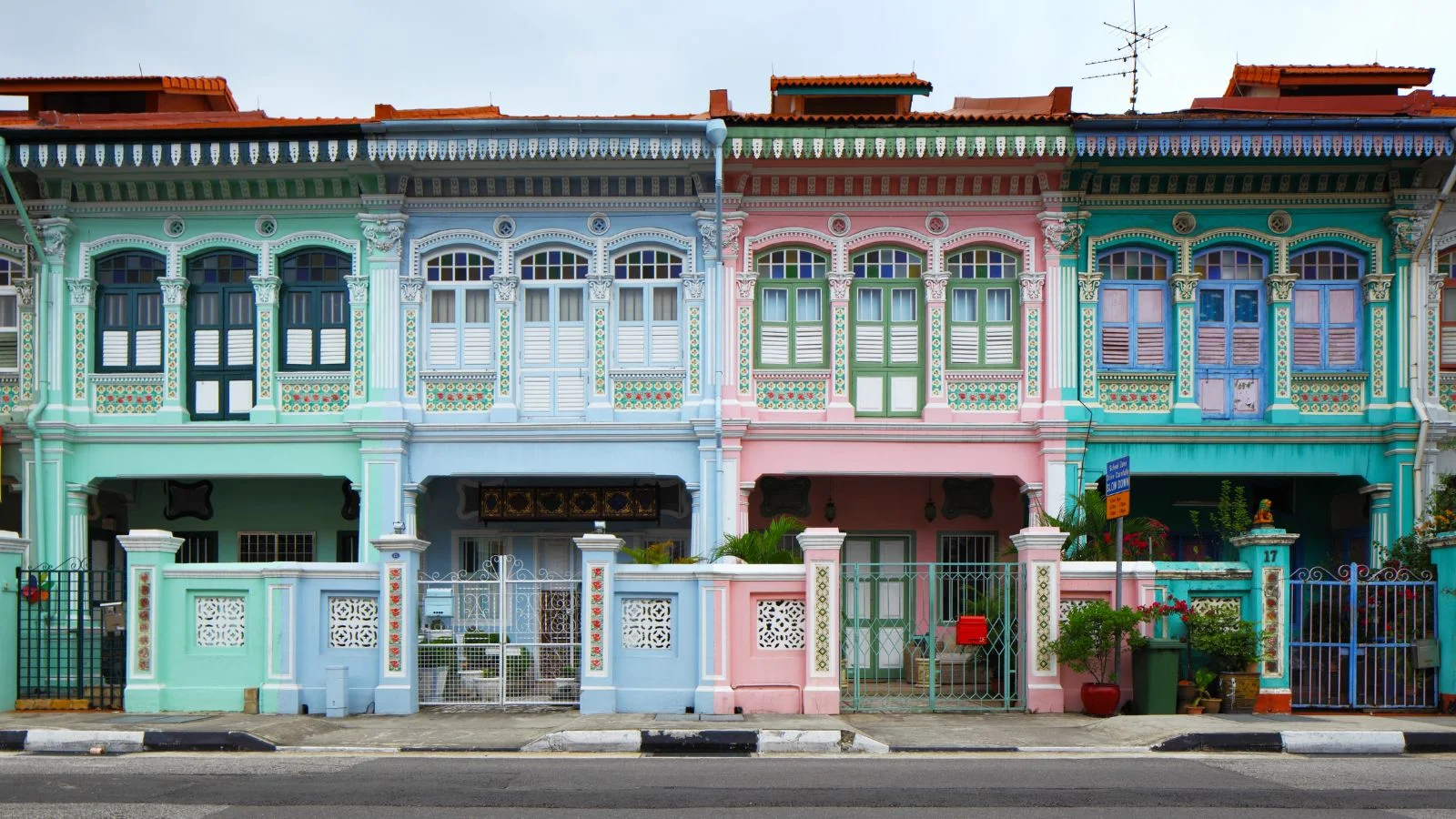
Architecture and design also play a meaningful role. Many of these properties preserve elements of local craftsmanship, traditional materials, or regional aesthetics. Stone walls, wooden shutters, courtyard gardens, and locally sourced furnishings often replace standardized interiors. Instead of being interchangeable, each hotel becomes an extension of the place where it stands.
This shift in accommodation reflects a broader cultural change in how people approach travel. Increasingly, travelers are interested not only in visiting destinations, but in experiencing them more thoughtfully. A hotel room becomes more than a temporary stop between sightseeing; it becomes part of the narrative of the journey itself.
In smaller towns and culturally rich regions, the stay can often shape the experience of the entire trip. Waking up in a restored townhouse overlooking a narrow Italian street, opening windows to coastal air in Portugal, or staying in a traditional machiya house in Kyoto creates a sense of immersion that larger hotels rarely provide.
Perhaps this renewed interest in small hotels simply reflects a deeper shift in travel culture. As journeys become less about moving quickly from one place to another, the spaces where we stay begin to matter more. When accommodation reflects the character of its surroundings, it becomes part of the story travelers take home with them.