


In recent years, a noticeable shift has begun to reshape how people approach travel. The modern traveler is no longer satisfied with simply visiting famous landmarks or collecting photographs of well-known places. Increasingly, travel is becoming a search for deeper cultural understanding and more meaningful encounters with local life.
This change reflects a broader transformation in how people think about travel itself. Instead of moving quickly from one attraction to another, many travelers are beginning to ask a different question: what does it mean to truly experience a place?
Beyond the Checklist
For decades, travel was often shaped by efficiency. Guidebooks and itineraries encouraged visitors to see as much as possible in the shortest amount of time. Cities were reduced to lists of attractions, and the success of a trip was measured by how many famous locations had been visited.
The new cultural traveler approaches destinations differently. Rather than following a rigid schedule, the journey becomes an opportunity to observe everyday life, understand local traditions, and spend time in places that reveal the character of a city or region.
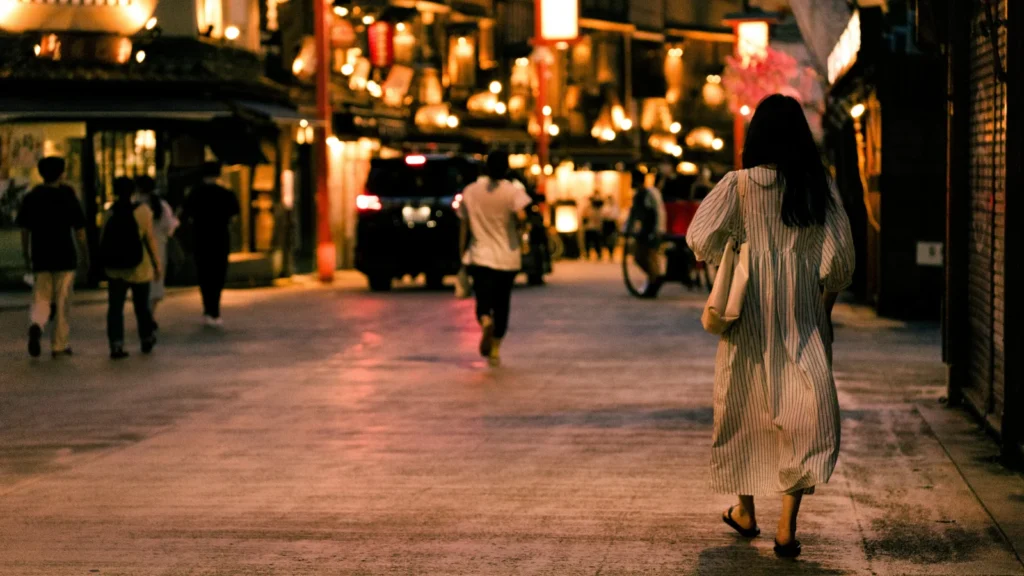
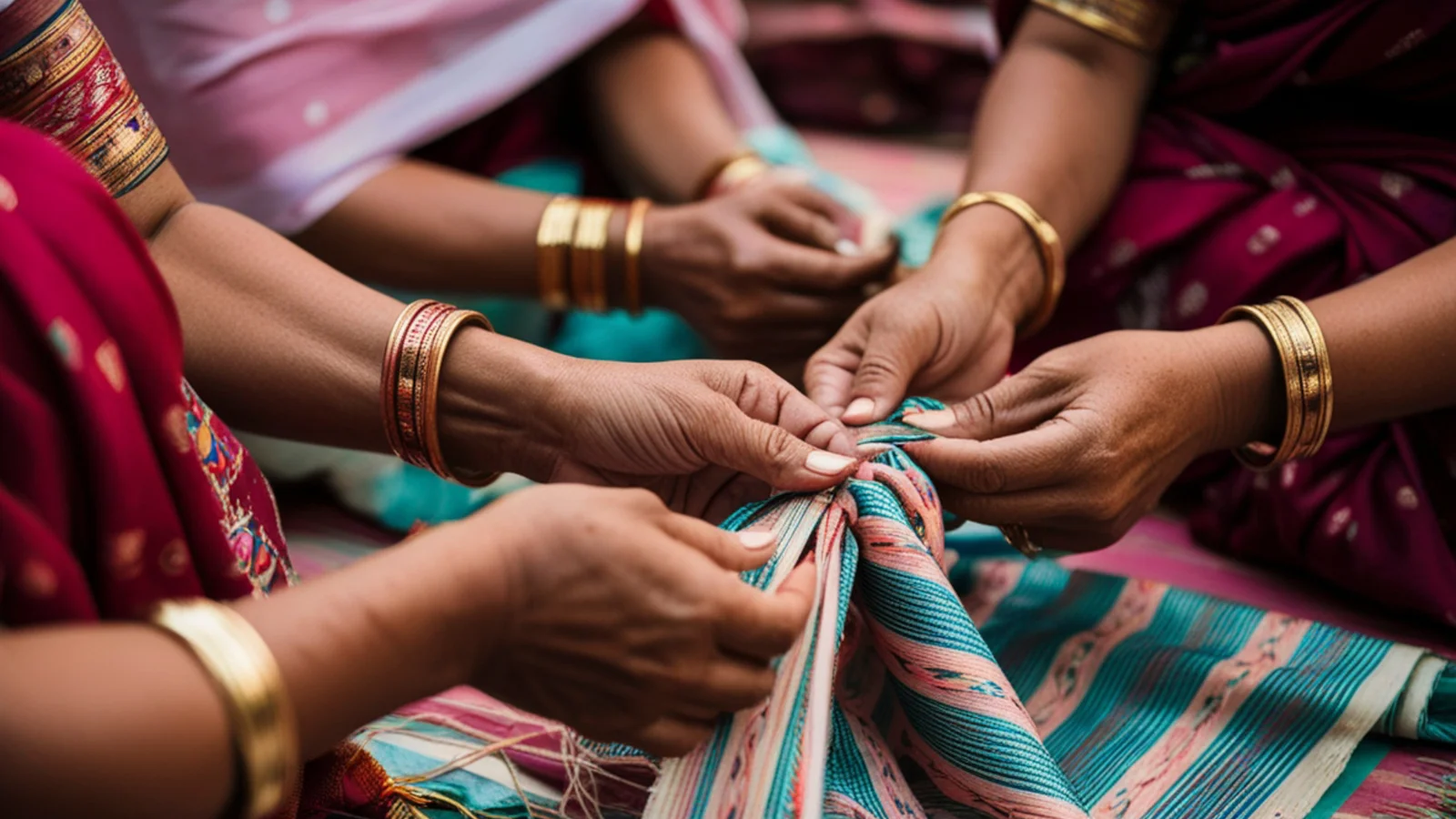
Small cafés, neighborhood markets, quiet streets, and local workshops often provide a richer sense of place than crowded landmarks.
Curiosity Over Speed
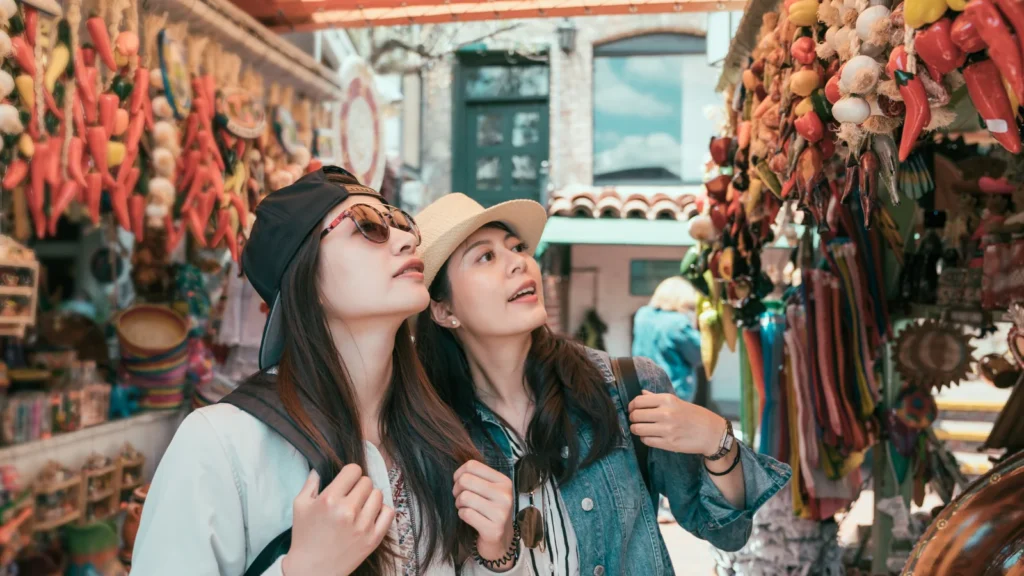
What defines this new kind of traveler is curiosity. Cultural travelers tend to be less focused on speed and more interested in context — how people live, how traditions developed, and how different communities shape the environments around them.
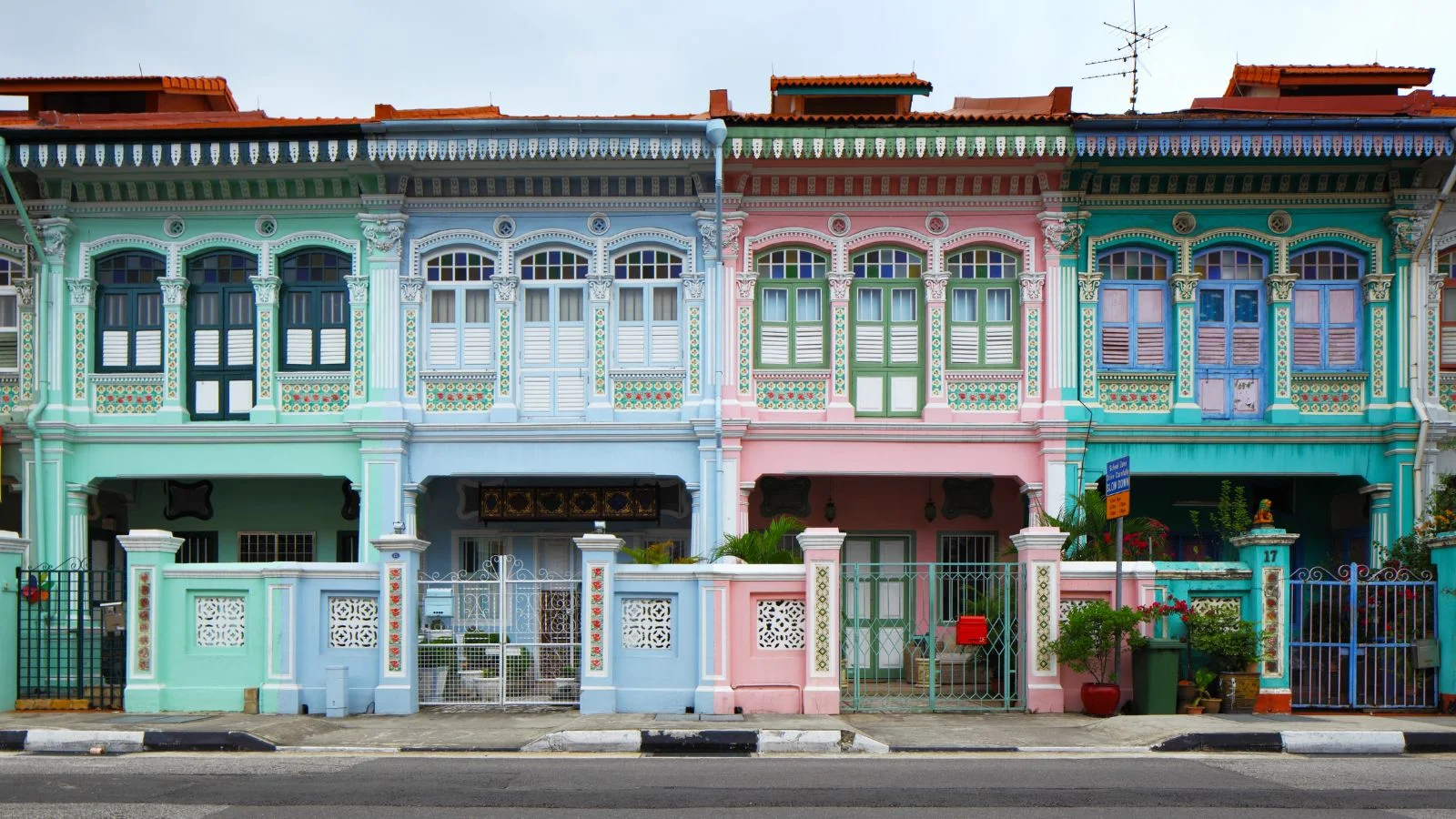
This curiosity often leads travelers toward experiences that feel more authentic and less staged. Walking through residential neighborhoods, attending small cultural events, or simply observing daily routines can become as memorable as visiting historic monuments.
In this way, travel becomes less about consumption and more about understanding.
The Value of Presence
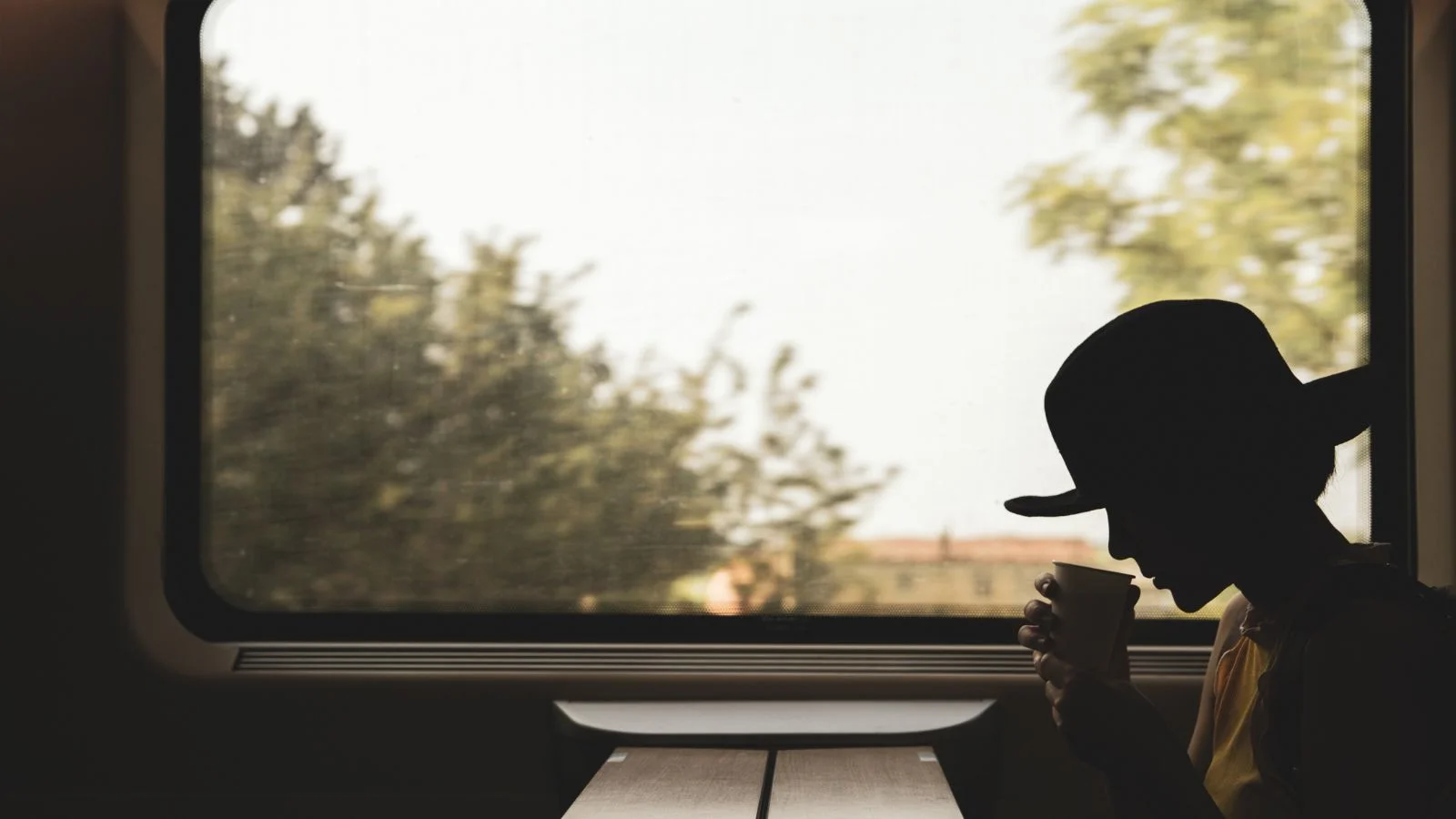
One of the most noticeable traits of the cultural traveler is the willingness to slow down. Rather than trying to see everything, travelers increasingly recognize the value of spending more time in fewer places.
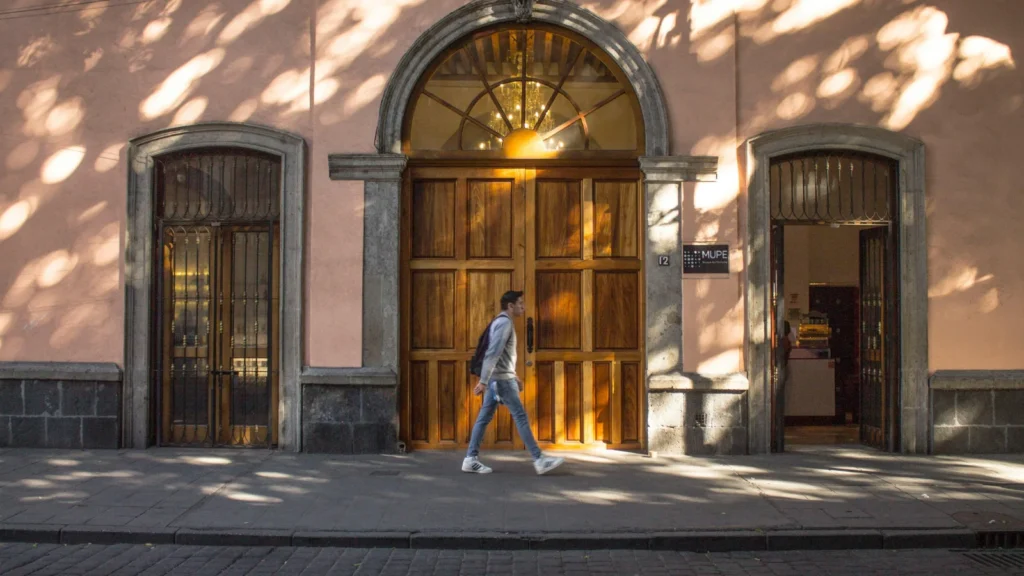
Staying longer in a neighborhood allows patterns to emerge: the rhythm of local markets, the quiet hours of the afternoon, or the atmosphere of streets that change as evening approaches.
These moments of observation often reveal the subtle details that define the character of a place.
A More Thoughtful Way to Travel
As travel continues to evolve, the cultural traveler represents a growing movement toward more thoughtful and intentional journeys. Rather than focusing on quantity, this approach values depth, curiosity, and connection.
For many travelers, the most memorable experiences are no longer the famous landmarks, but the quieter moments that reveal how a place truly lives.
In this sense, cultural travel is less about seeing the world quickly and more about learning how to experience it with attention and patience.