



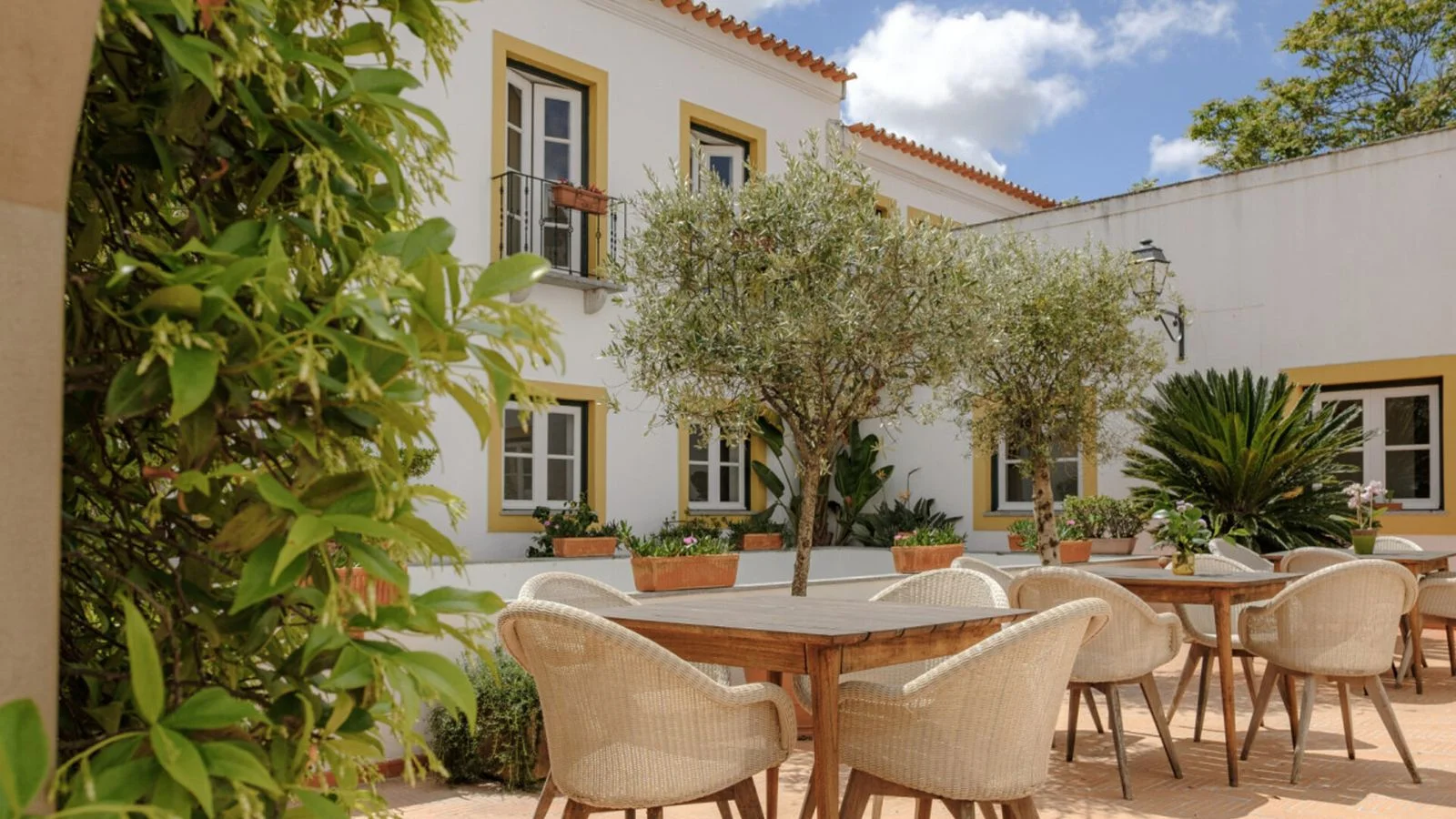

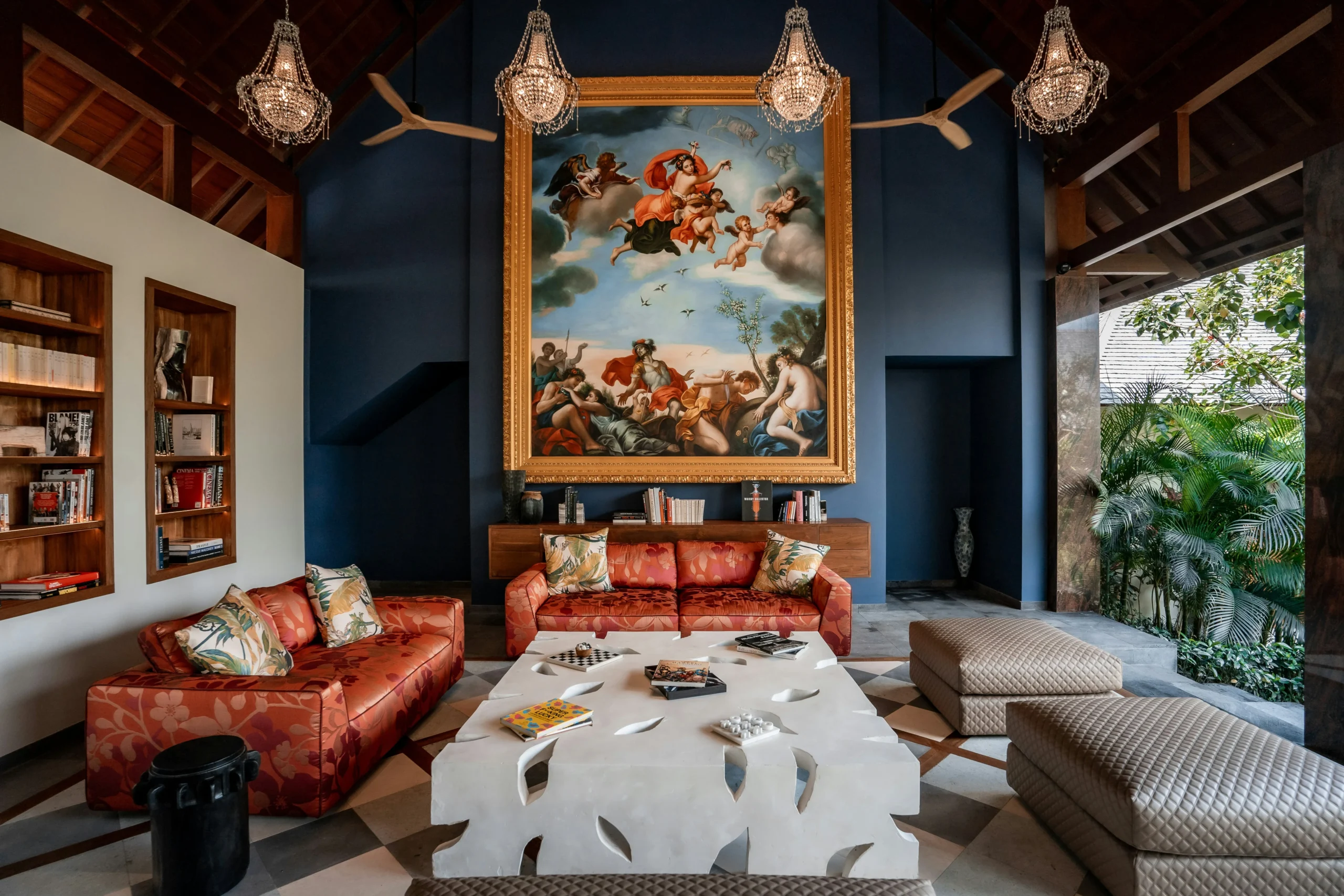
Boutique hotels are often described as smaller, more personal alternatives to larger properties. That description is incomplete. What defines them is not their size, but their refusal to operate at scale.
A boutique hotel does not try to meet every expectation. It does not extend itself to accommodate a wide range of needs, preferences, or patterns of use. Instead, it remains deliberately limited — in space, in services, and often in the way the experience is allowed to unfold.
This limitation is not a constraint. It is the structure that creates its value.
In larger hotels, experience is built through addition. More facilities, more services, more options designed to anticipate every possible request. The result is efficiency, consistency, and predictability.
Boutique hotels work in the opposite direction. They remove.
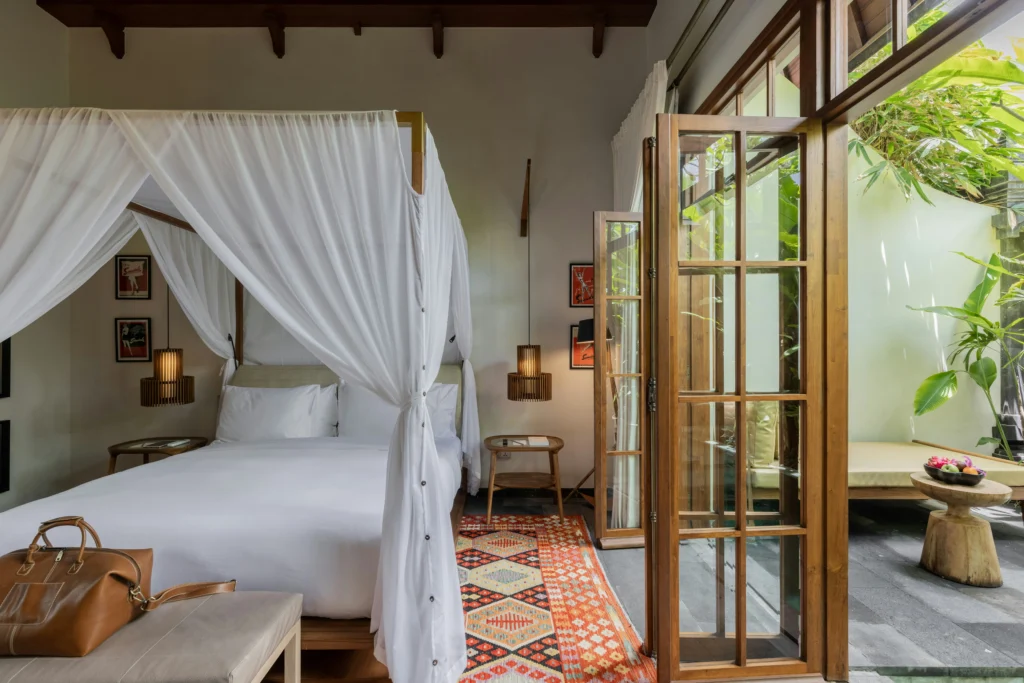
Not everything is available. Not every moment is programmed. The environment is not designed to keep the guest occupied, but to allow the space itself to define the pace.
For some travelers, this can feel incomplete.
Guests who arrive expecting constant service, variety, and immediate responsiveness often misread boutique hotels as lacking. The absence of scale is interpreted as absence of quality.
But that reading misses the point. The experience is not meant to expand.It is meant to hold.
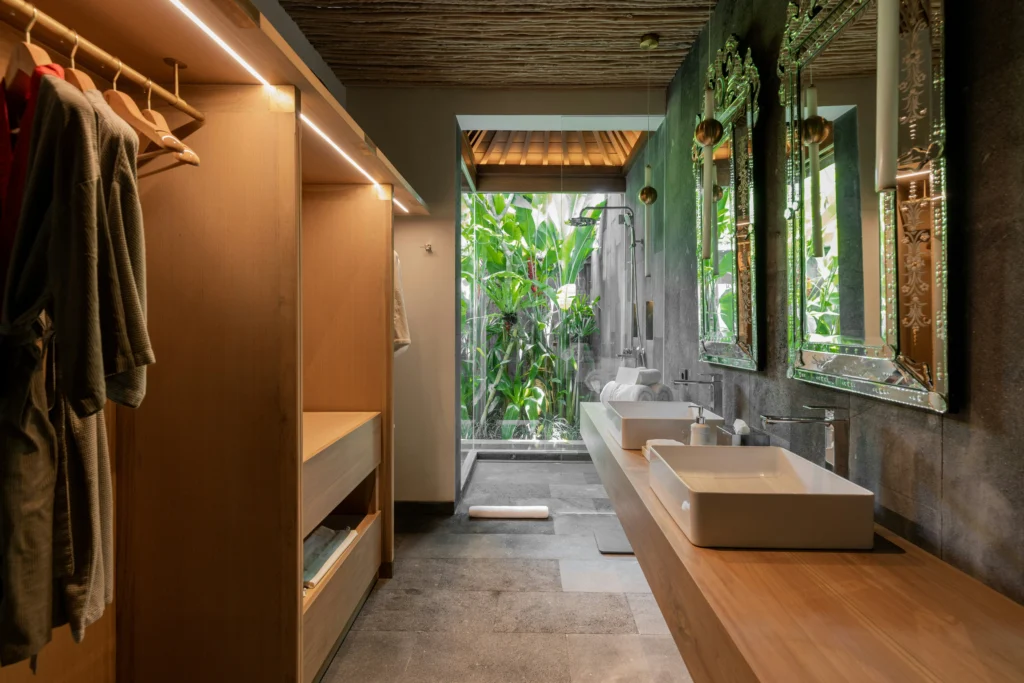
This becomes clearer in the way these spaces are designed. Materials are chosen not for uniformity, but for character. Interiors reflect a specific identity rather than a global standard. Light, sound, and layout are considered in relation to the surrounding environment, not to a brand template.
The result is not variety, but coherence. And coherence changes how a place is experienced.
Instead of moving between spaces designed to deliver different functions, the guest remains within a consistent atmosphere. Time slows not because it is encouraged to, but because there is nothing pushing it forward.
Nothing competes for attention.
Nothing demands to be used.
In this kind of environment, presence becomes more natural than activity.
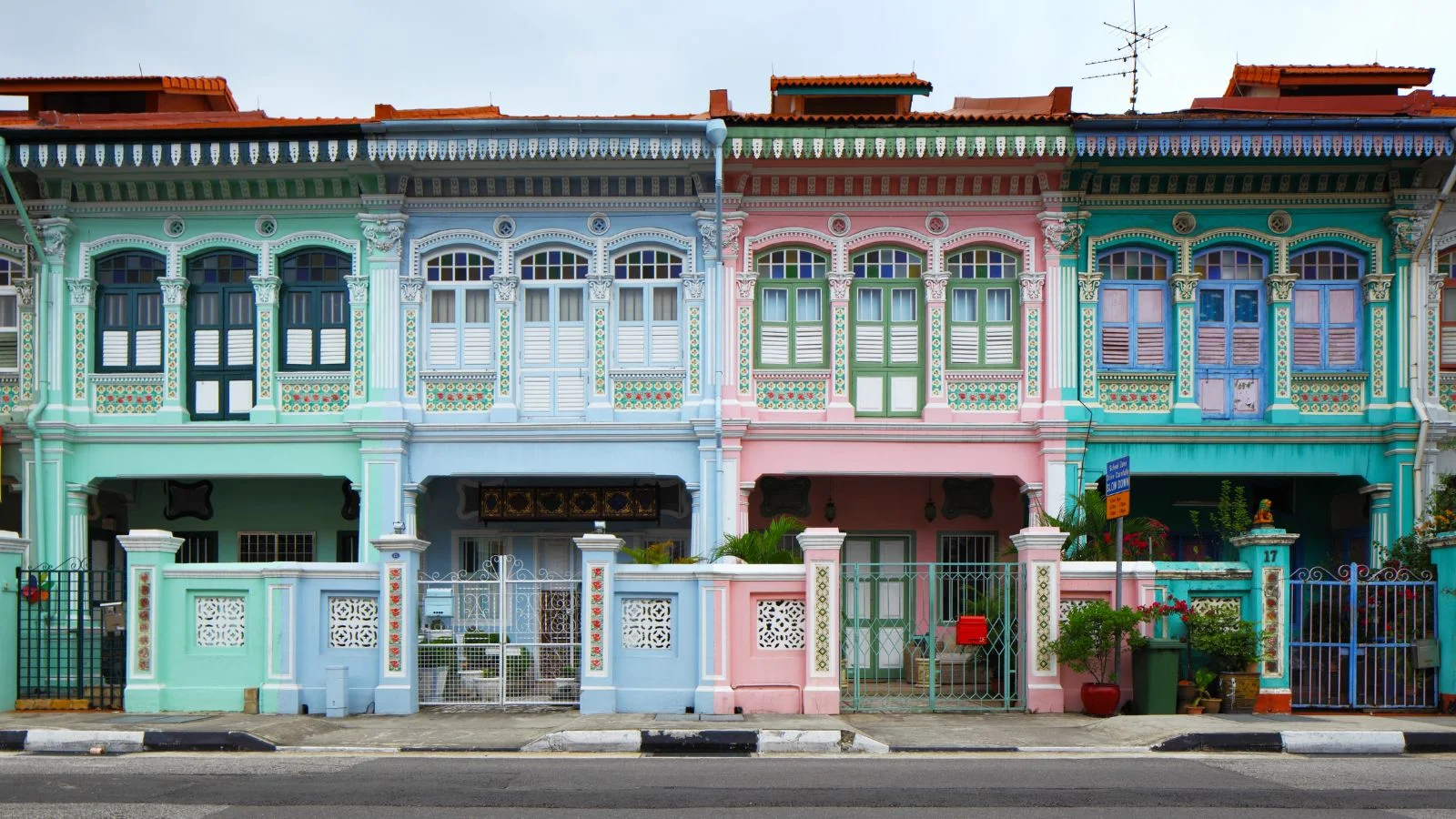
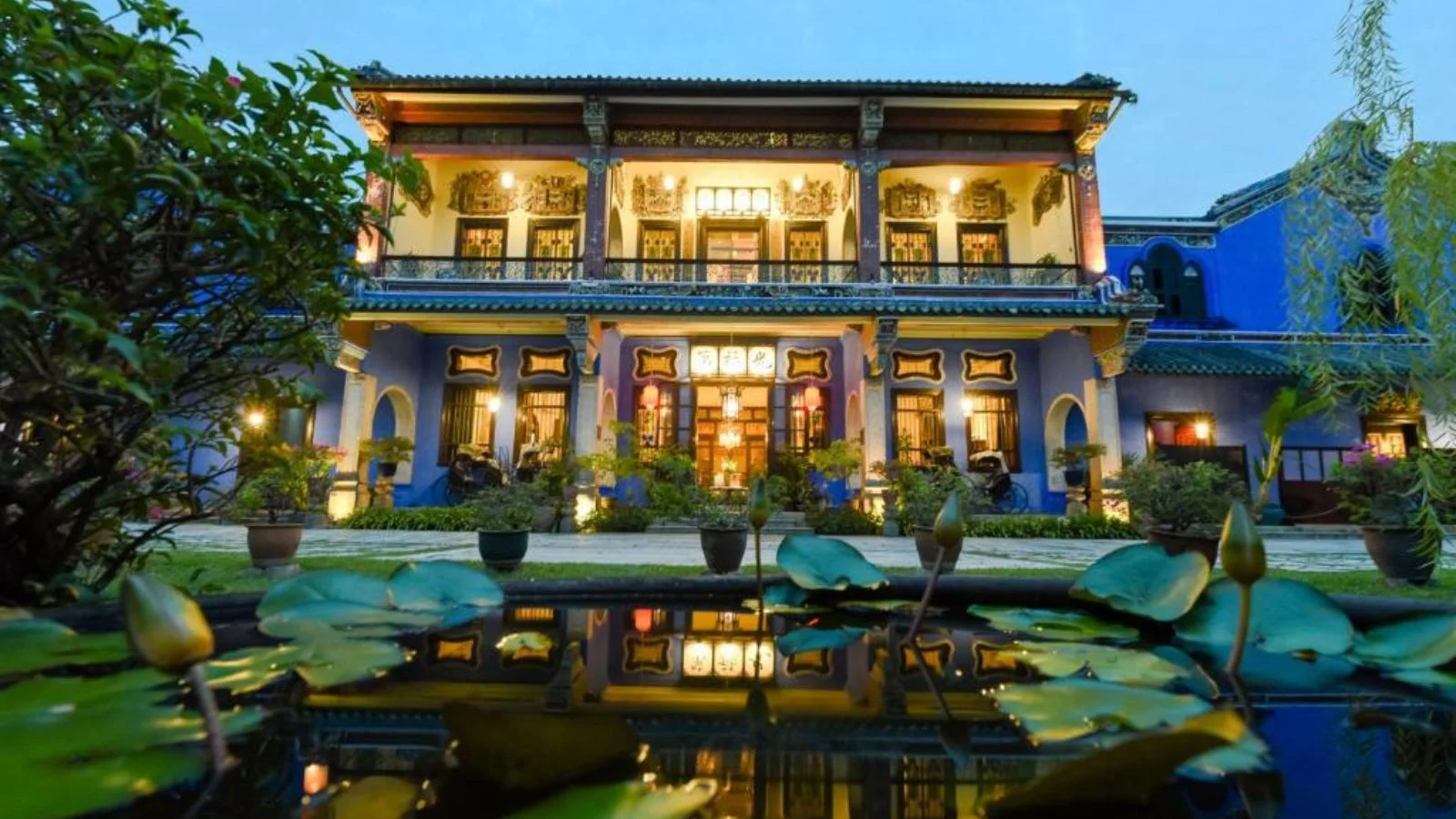
This is why boutique hotels tend to feel more connected to their locations. They do not exist independently of their surroundings; they extend them. Architecture follows local conditions. Materials reflect what is available. The rhythm of the space aligns with the rhythm outside it.
The stay becomes less about accommodation and more about alignment.
For operators, this distinction is critical.
A boutique property cannot compete with larger hotels by adding more. Attempts to introduce excess — more services, more options, more complexity — often weaken the very quality that defines the experience.
In a system built on restraint, addition becomes disruption.
What works instead is clarity. A defined identity. A controlled scale. The decision to offer only what fits within the logic of the place, and nothing beyond it.
Luxury, in this context, is not expressed through abundance. It is expressed through precision.
Boutique hotels are not designed to satisfy everyone. They are designed to remain consistent. And for those who understand that, the experience becomes something far more specific — and far more difficult to replicate.