Kyoto rewards a different kind of attention.
Many cities reveal themselves through movement — landmarks, neighborhoods, famous streets, and the visible rhythm of activity. Kyoto works differently. What stays with people here is often quieter and harder to photograph: the discipline of the city, the awareness of seasonality, the repetition of ritual, and the feeling that daily life still follows an internal cultural rhythm rather than the pace of tourism.
This is precisely why Kyoto has become increasingly important for slow travelers. Not because it is hidden.
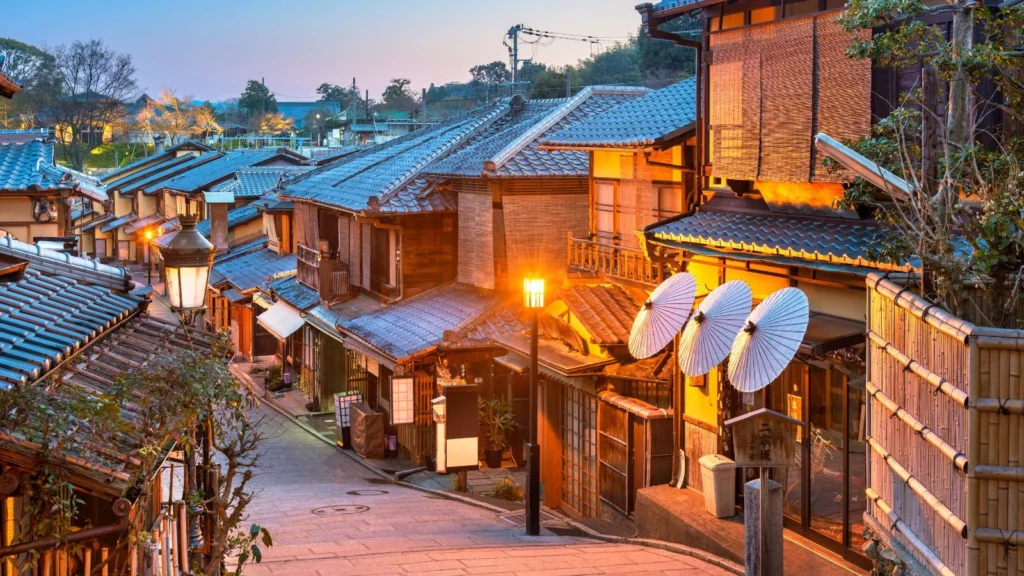
Kyoto is one of Japan’s most visited destinations. But beneath the crowds exists another layer entirely — one experienced through timing, restraint, and the willingness to inhabit the city rather than consume it.
The difference often begins early in the morning.
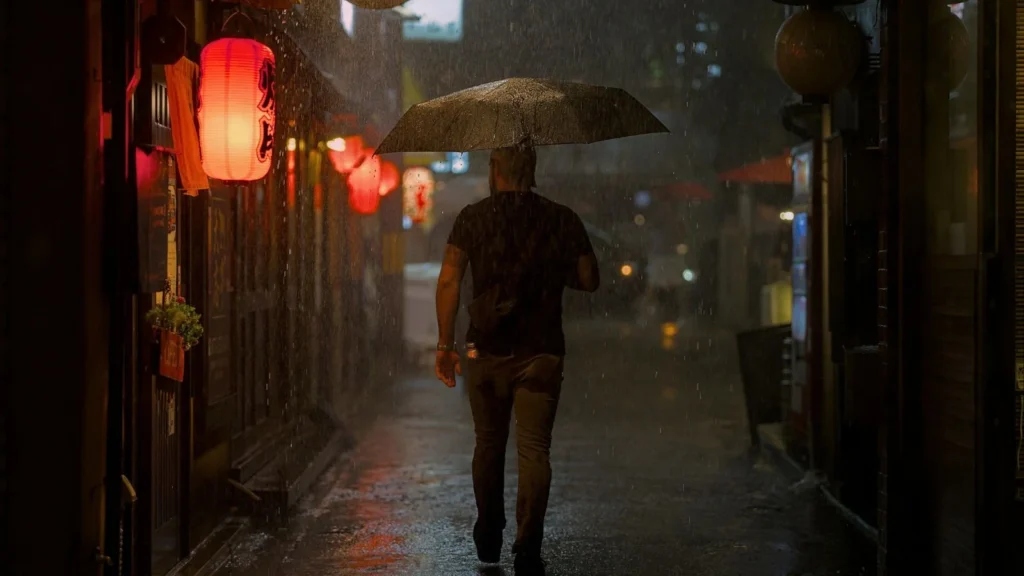
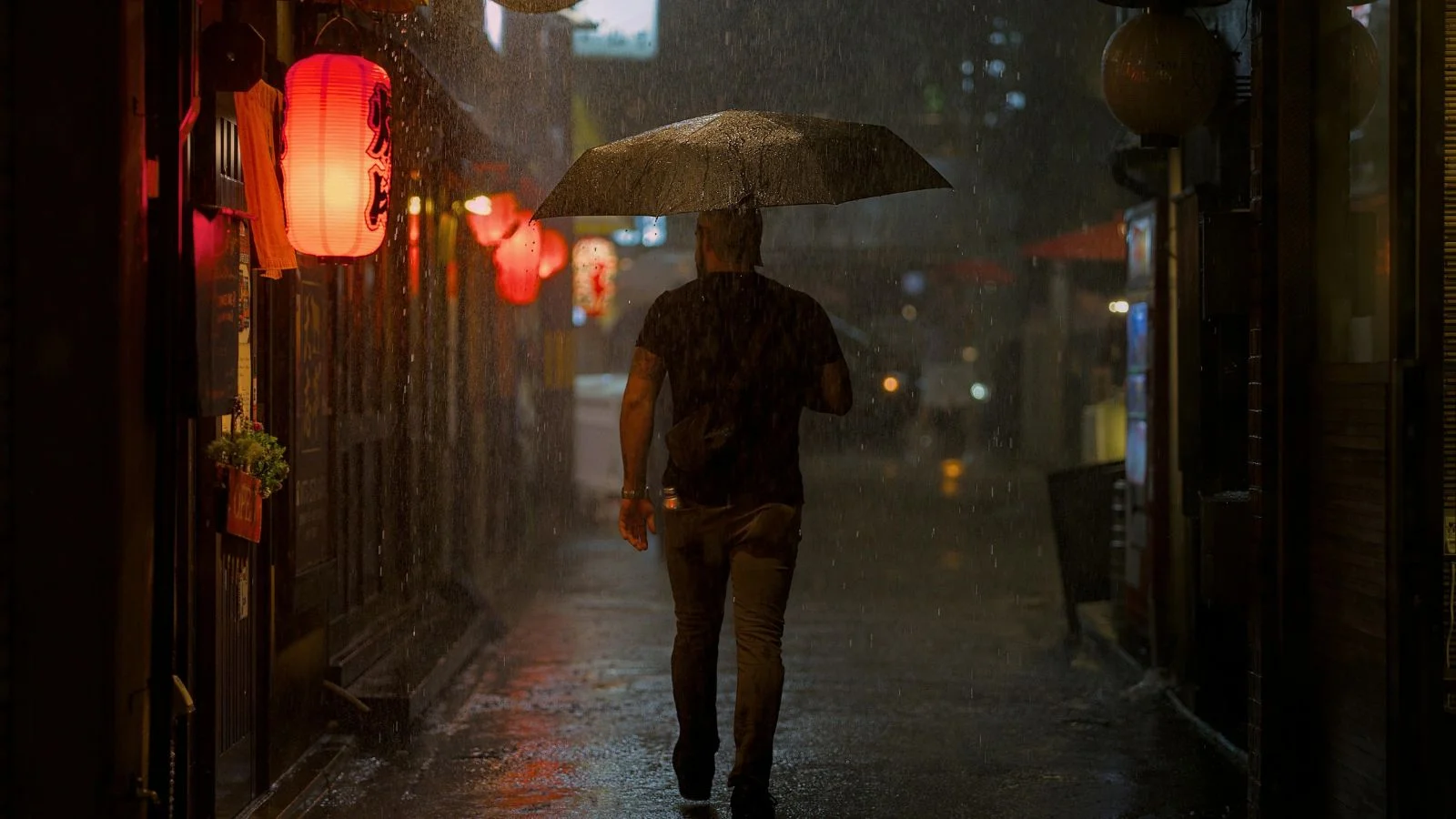
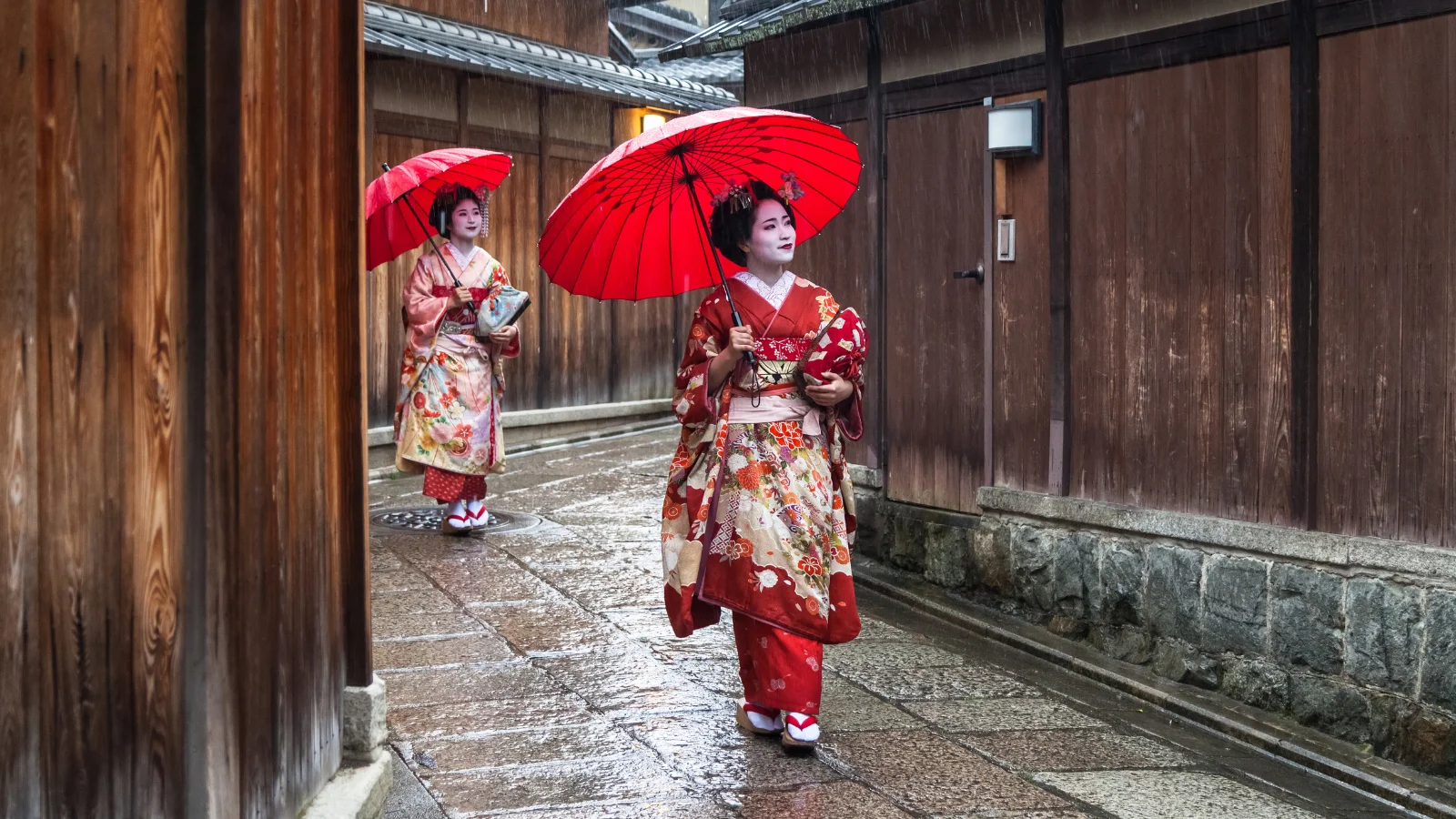
Before tour buses arrive, temple pathways remain unusually still. In districts like Higashiyama or near Nanzen-ji, shop owners quietly prepare for the day while narrow stone streets hold onto the cool air of the night. The city feels less like a spectacle and more like an environment people genuinely live within. This distinction matters. Kyoto becomes far more compelling when experienced as a functioning cultural atmosphere rather than a sequence of attractions.
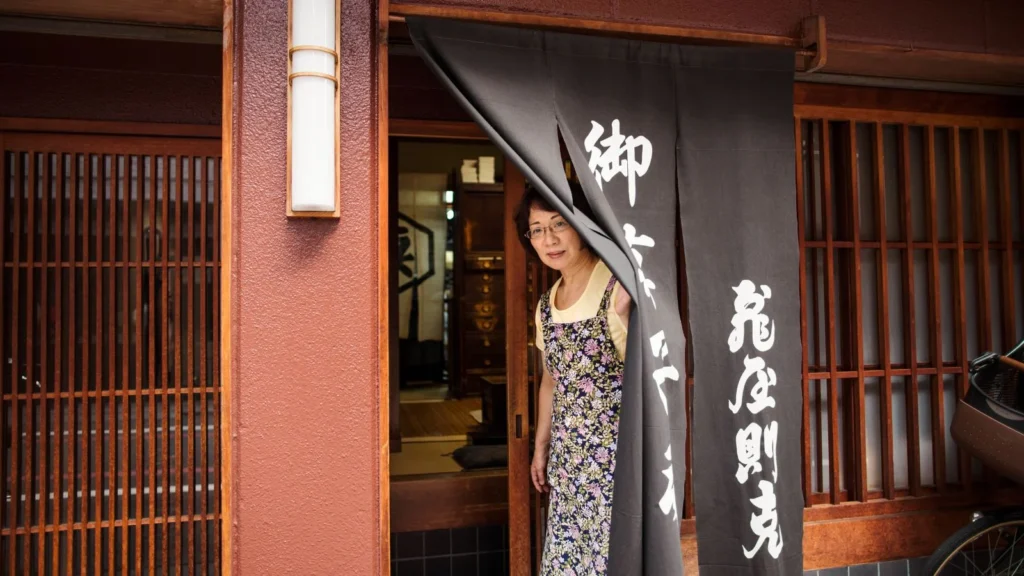
Slow travelers often respond to Kyoto because the city naturally encourages repeated, grounded routines.
A morning may begin in a small kissaten where coffee is brewed slowly by hand rather than prepared for speed. Lunch may stretch longer inside a quiet soba restaurant where conversation remains low and unhurried. Entire afternoons disappear inside stationery stores, ceramics workshops, incense shops, secondhand bookshops, or traditional craft spaces where the experience depends more on attention than stimulation.
Kyoto does not constantly attempt to entertain you and that absence of pressure becomes part of its appeal.
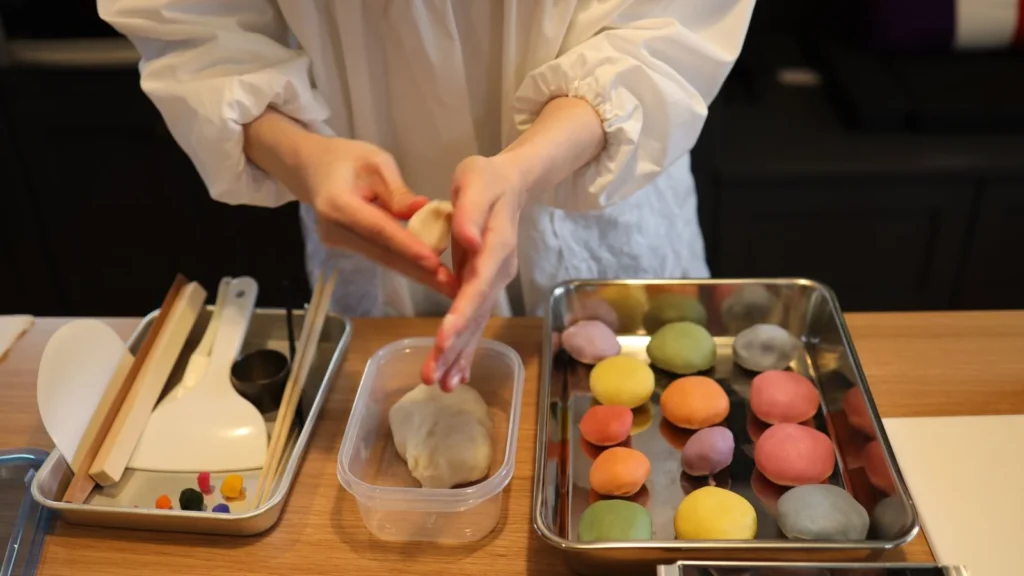
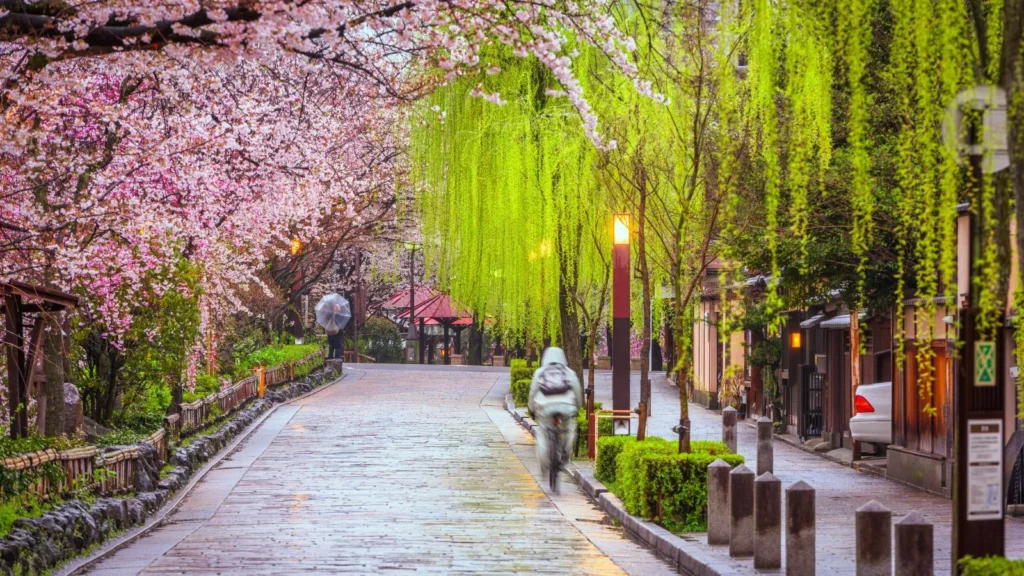
The city also rewards seasonal awareness in ways many destinations no longer do. Spring changes walking routes entirely. Summer evenings pull people toward the Kamo River. Autumn alters temple gardens, sweets, tea menus, and even the atmosphere inside cafés. Winter brings a quieter version of Kyoto altogether — colder, more restrained, and often emotionally deeper for travelers who prefer slower environments.
Even food here reflects this philosophy.
Kaiseki dining is not simply about luxury or presentation. It reflects pacing, sequence, temperature, texture, and seasonality. Wagashi shops change offerings according to the time of year. Small neighborhood restaurants often specialize in one thing done carefully rather than endless variety. For many slow travelers, these experiences feel more memorable than collecting famous landmarks because they create a sense of inhabiting local rhythm rather than observing it from outside.
Kyoto also offers something increasingly rare in modern travel: environments where silence still feels socially acceptable.
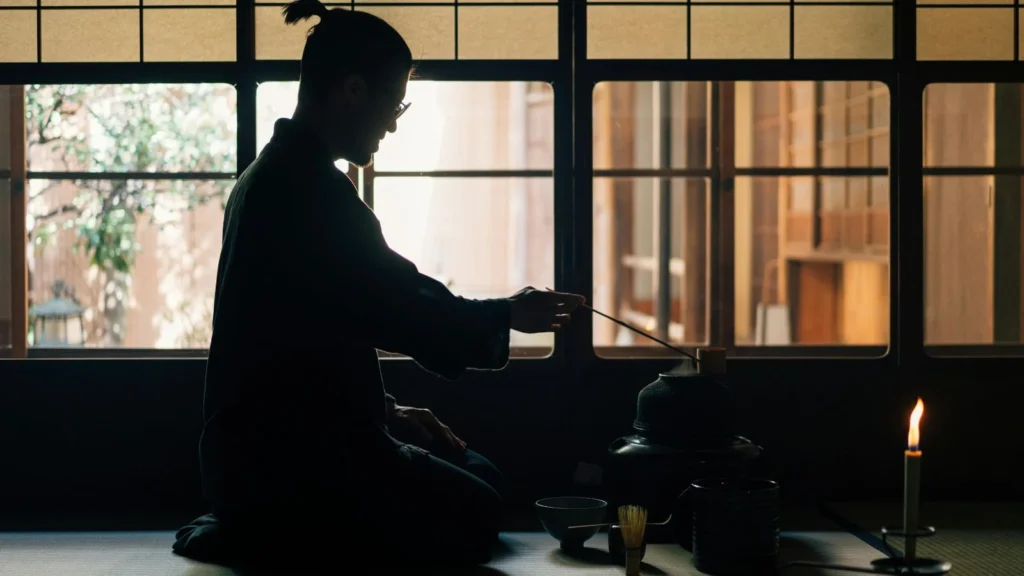
There are long stretches of the city where people speak softly, move carefully, and avoid unnecessary disruption. Train etiquette, temple behavior, tea ceremony traditions, and forms of hospitality shaped by omotenashi all contribute to an atmosphere where consideration itself becomes visible. Travelers who are exhausted by overstimulation often notice this immediately, even if they cannot fully explain why the city affects them differently.
At the same time, Kyoto is not designed for everyone.
Travelers who prefer constant novelty, nightlife-heavy itineraries, aggressive scheduling, or high-energy tourism may find the city emotionally restrained. Kyoto rarely performs for the visitor. It asks for patience instead. Some experiences become meaningful only after several days — after returning to the same neighborhood, recognizing seasonal details, or learning how the city quietly organizes itself.
This is where Kyoto separates itself from generic “slow city” branding.
The slowness here is not manufactured. It comes from continuity — from rituals, craftsmanship, restraint, and cultural systems that existed long before slow travel became fashionable language online.
And for travelers willing to enter that rhythm, Kyoto offers something more lasting than sightseeing.
Not simply the memory of what they saw, but the feeling of having briefly lived inside a different relationship with time itself.